[1/17 Taiwan CBAM Seminar Minutes] Christoph Saurenbach (Team Lead): EU Carbon Border Adjustment Mechanism
Christoph Saurenbach is the Team Leader of the Trade Section at the European Economic and Trade Office.
As the European Union's implementation of the Carbon Border Adjustment Mechanism (CBAM) draws near, many major trading countries are closely watching. What measures will Taiwan take in response to the international trend? On January 17, 2025, the Taiwan Carbon Exchange, the Center for Research and Service of Carbon Rights at National Sun Yat-sen University, and the Taiwan Stock Exchange jointly hosted the "2025 Taiwan Carbon Border Adjustment Mechanism Policy Forum", inviting representatives from academia, industry, and government to share their observations and suggestions.
At the official representative sessions, EPA Climate Change Office Director Tsai Ling-yi, Deputy Chief Negotiator of the Office of Trade Negotiations of the Executive Yuan Yan Hui-xin, Director of the Trade Section of the European Economic and Trade Office Christoph Saurenbach, and Director of the Energy and Environment Research Center of the Chung-Hua Institution for Economic Research Liu Che-liang, respectively, explained the current plans and their views.

After the EU announced the upcoming implementation of CBAM, many trading nations expressed different opinions. As a result, the EU designed a long transition and implementation period, hoping to have sufficient space to understand and make corresponding adjustments, so that CBAM can truly meet environmental protection goals without imposing extra burdens on enterprises.
Christoph Saurenbach (hereinafter referred to as Christoph) shared that the CBAM is part of the EU's green new policy, aiming to achieve climate neutrality by 2050 and reduce emissions by 55% by 2030. Under this framework, European companies are subject to very strict emission standards, and excess emissions must be paid for. "We also hope to avoid carbon leakage, prevent carbon emissions from being produced elsewhere and then importing related products into the EU, so we designed the CBAM policy."
EU CBAM Aims for Fair Treatment, Not Taxation
Before the EU implements CBAM, no imported products with high carbon leakage risk will be required to pay related fees. Even after its implementation (editor's note: possibly delayed until 2027 according to the EU's Omnibus simplification proposal), there will be a 9-year transition period, providing free allowances that will be gradually phased out. Christoph emphasizes: "Both domestic and foreign products will be treated fairly, so the carbon-related fees paid by products in third countries will be deducted from the final CBAM calculation. Whether it's EU, domestic, or foreign enterprises, they will all receive the same treatment."
Some companies and trade partners believe that the reporting obligations are too complicated, and the EU is adjusting and evaluating this. Christoph stated, "The EU receives up to 20,000 reports every quarter, and each one must be carefully read and evaluated." However, he also asked everyone not to worry too much, "If Taiwanese companies export products covered by CBAM to the EU, your obligation is to monitor and collect carbon emission data and provide the data to the declarant, i.e., the European importer, so that they can provide the declaration data."
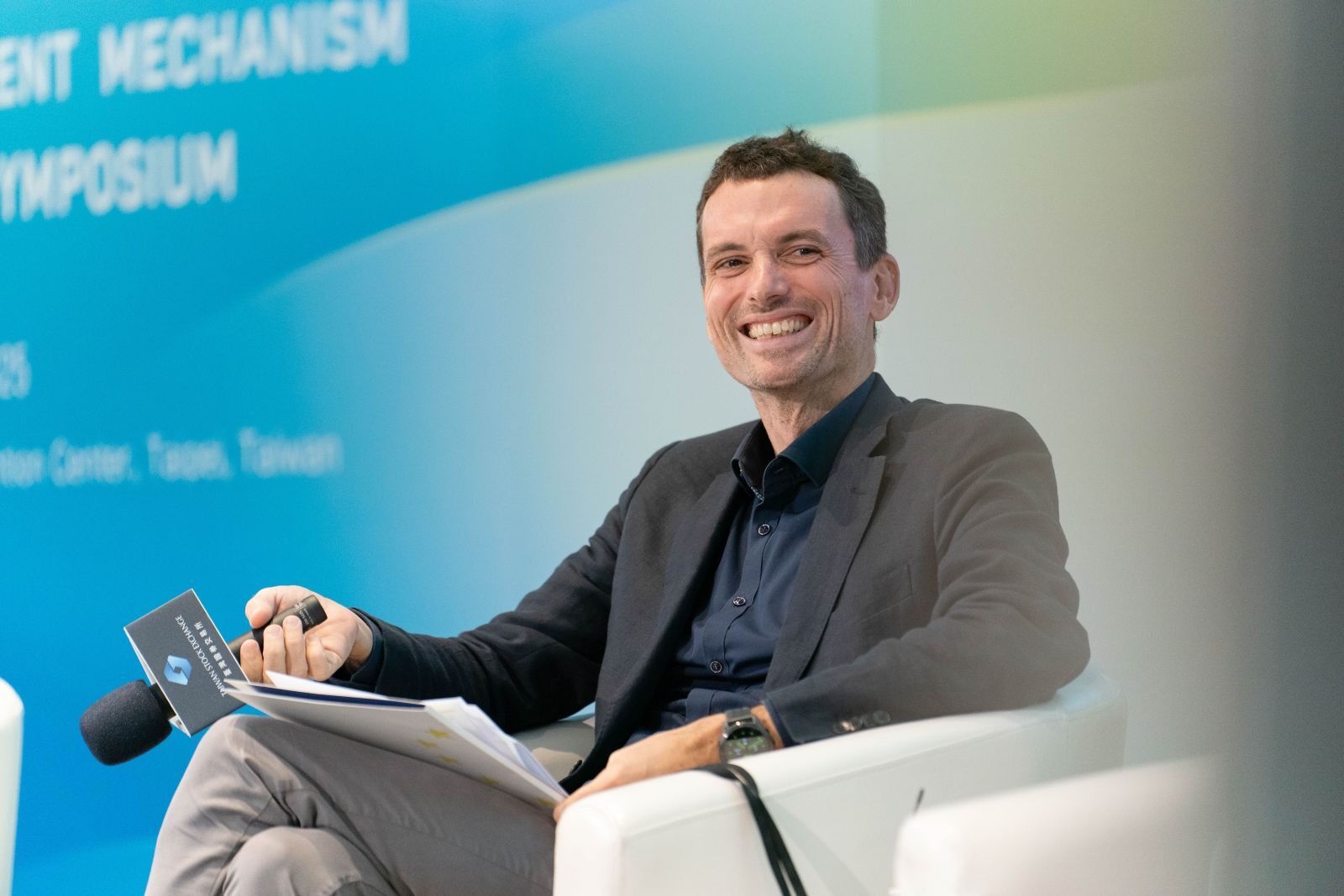
The EU is currently actively establishing a verification mechanism, and it is expected that after CBAM comes into effect, there will be very clear regulations and implementation methods. In the future, CBAM will prioritize the implementation of:
-
Standardization of supervision reports and audits;
-
Supporting developing countries and least developed countries in complying with and adhering to relevant regulations;
-
Minimize administrative costs.
Christoph said: "Many trading partners are starting to adopt mechanisms similar to CBAM, so it seems that everyone also believes that the policy goals and direction of CBAM are correct."
How Can Businesses Prepare?
For businesses exporting products to the EU, Christoph reminds them: "Actually, your main obligation is not to read every page of the regulations, because the main declarant is the EU importer, who is also responsible for ensuring they pay the relevant fees. The most important obligation for exporters is to maintain close contact with importers and provide them with relevant carbon emission data in a timely manner."