How does Nature Biodiversity Impact Corporate Sustainability? Tony Mo from BCSD Talks about Risk and Opportunities
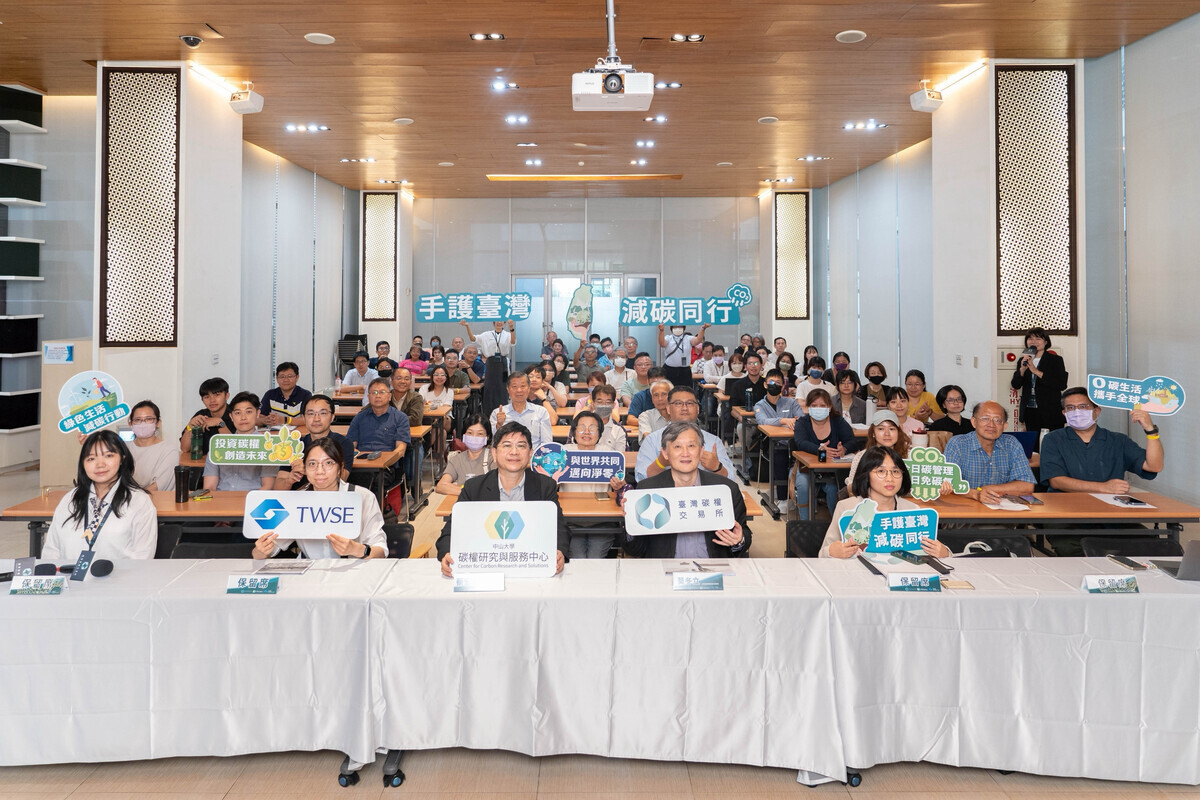
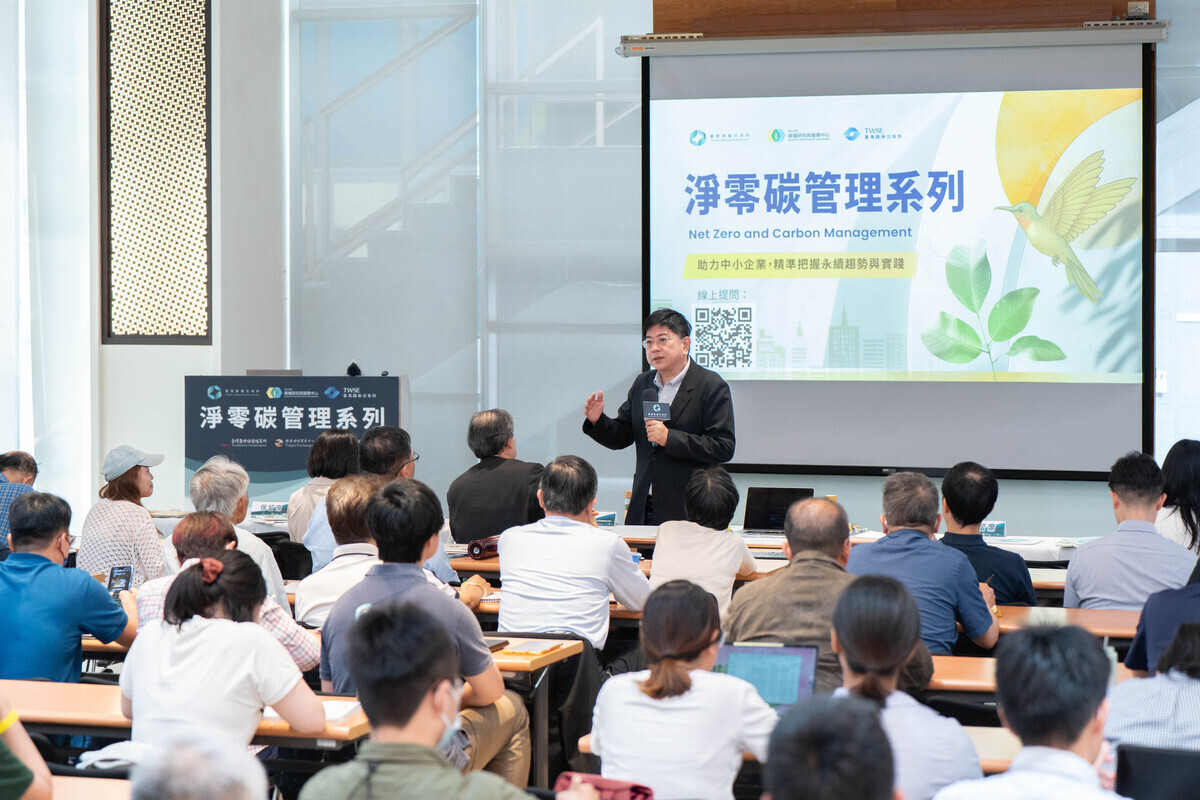
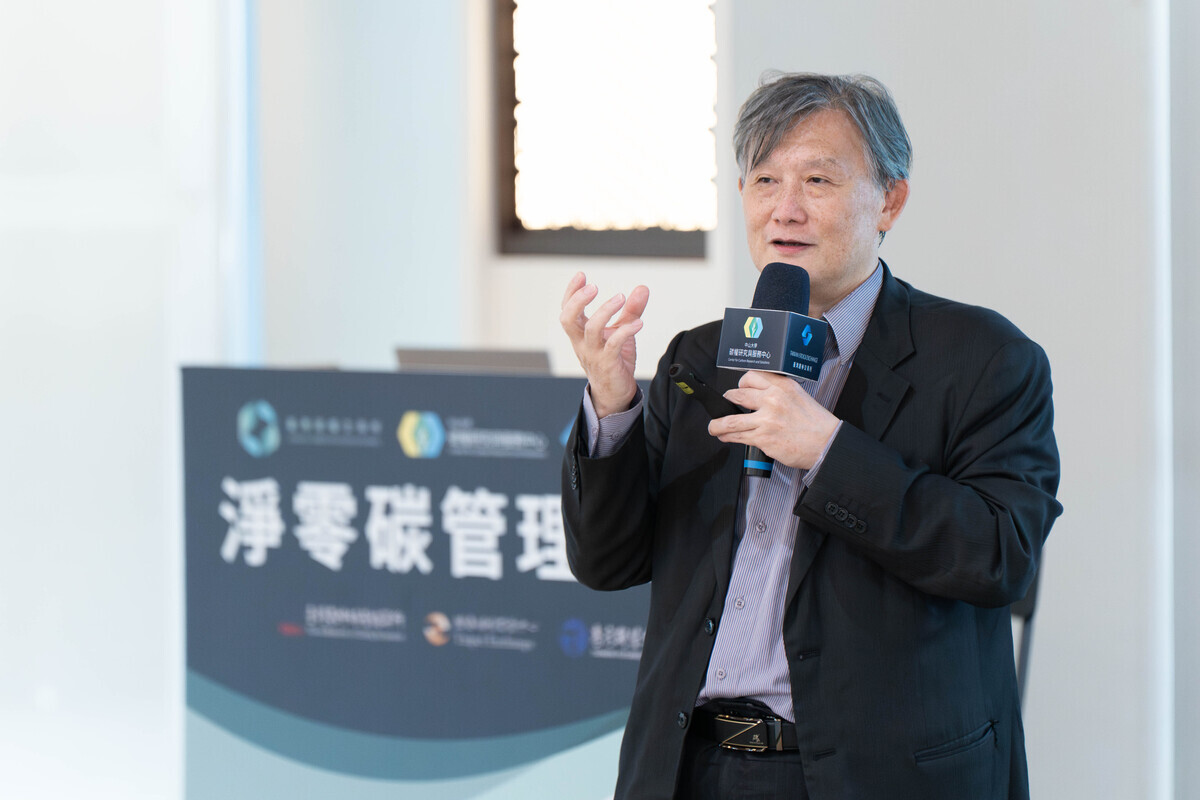
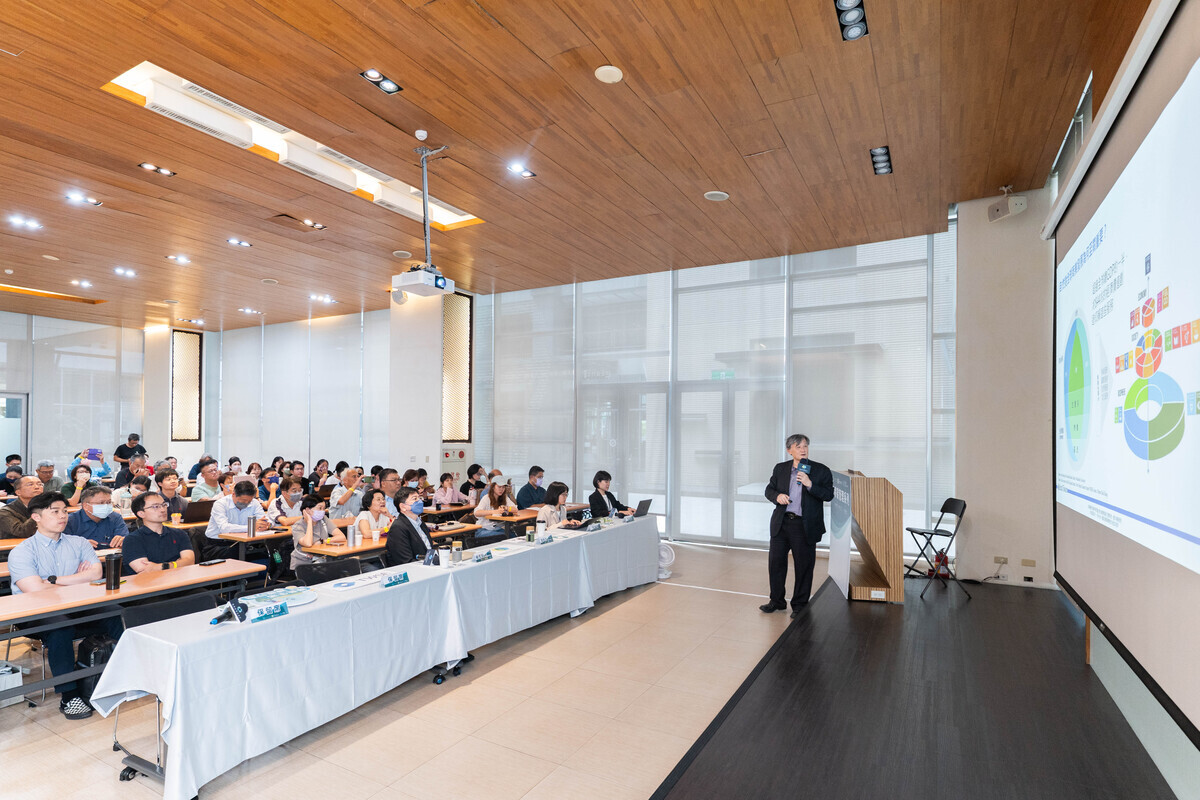
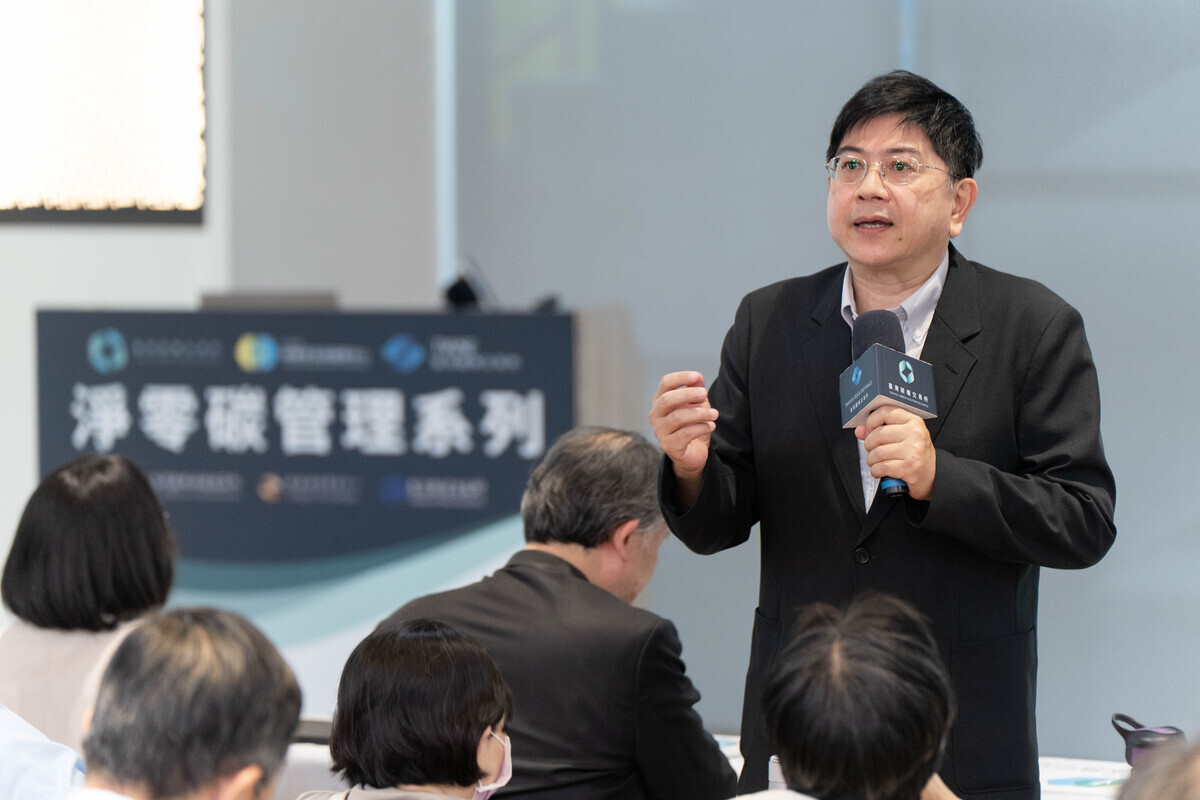
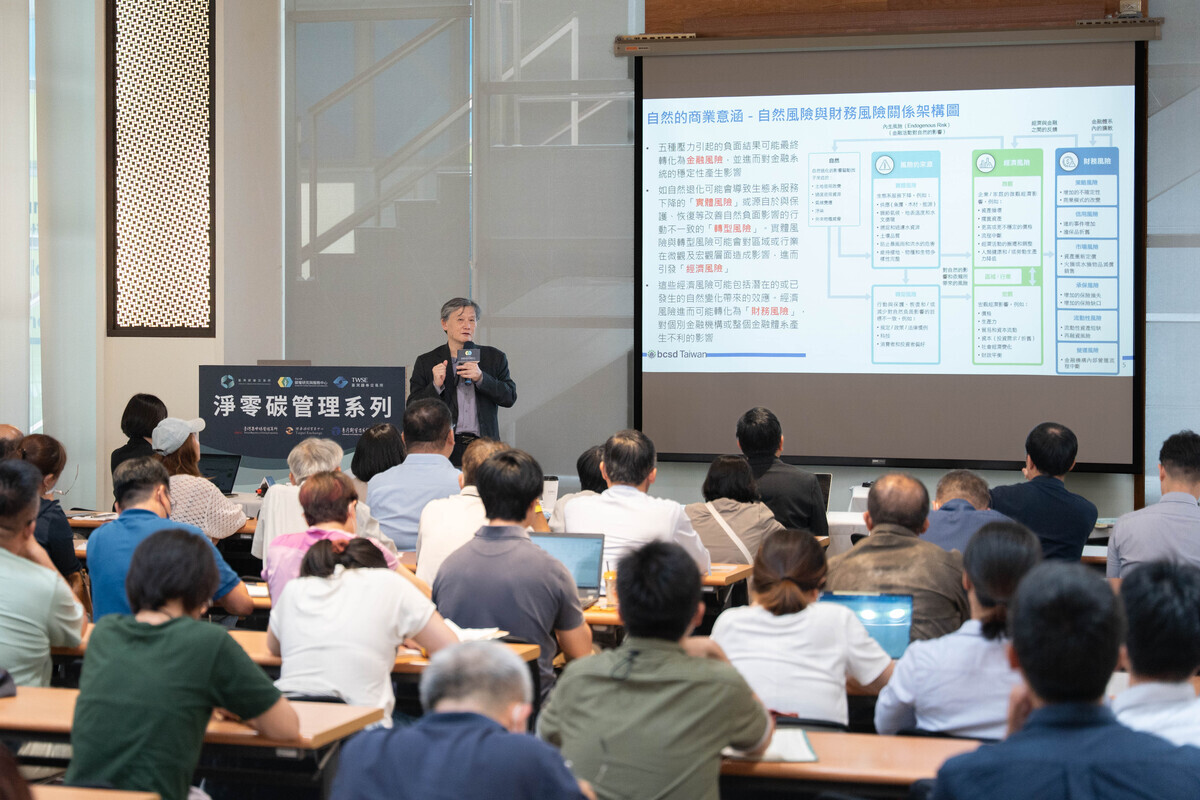
In response to the rapid changes in the global ecological environment and the growing pressure for sustainable development, enterprises urgently need to re-examine the relationship between biodiversity, natural environment, and circular economy. The Center for Carbon Research and Solution (CCRS) at National Sun Yat-sen University (NSYSU), the Taiwan Carbon Solution Exchange (TCX), and the Taiwan Stock Exchange (TWSE) have once again joined forces to launch the 2025 "Net-Zero Carbon Management" course series, focusing on three major topics: "Nature and Biodiversity", "Corporate ESG Self-Assessment Tools", and "Circular Economy and Green Transformation". The first session featured the guest speaker Tony Mo, Secretary General of the Business Council for Sustainable Development Taiwan (BCSD Taiwan), titled "The Impacts and Opportunities of Nature and Biodiversity on Enterprises", analyzing the risks and potential opportunities that enterprises may face in their sustainable transformation, which attracted the participation of a wide range audience from industries and academia.
Tony Mo emphasized that the ongoing loss and degradation of global biodiversity and ecosystem services not only threaten human well-being, but also impact enterprises’ risk management strategies and sustainable operations. Currently, over 44 trillion USD of the global GDP rely on ecosystem services, including provisioning, regulating, cultural, and supporting functions. However, under growing pressures from climate change, freshwater scarcity and pollution, ocean acidification, land degradation and exploitation, loss of native species, invasion of alien species, and many other natural losses, enterprises are increasingly exposed to risks that affect supply chains, operational costs, and brand reputation. As a result, the gross value added of enterprises is becoming more vulnerable to nature-related risks. Tony Mo stressed, “A degraded ecosystem cannot sustain a net-zero world. Biodiversity is no longer just an environmental conservation issue, it has become a critical component of risk management and strategies for enterprises, in order to halt and reverse biodiversity loss, and contribute to global goals.”
He further emphasized that enterprises can respond to stakeholders’ concerns about nature-related issues through disclosing guidelines such as the Taskforce on Nature-related Financial Disclosures (TNFD), Science Based Targets for Nature (SBTN), and the Corporate Sustainability Reporting Directive (CSRD). These tools provide alignment with stakeholders' expectations, and also serve as strategic pathways toward becoming nature positive. Tony Mo cited the development of the ACT-D framework as an example, a strategic roadmap guiding enterprises on their journey toward nature positivity, through a repeating cycle of assess, commit, transform, and disclose, enterprises can systematically identify their priorities in nature-related actions and understand their key dependencies and impacts on ecosystems. This approach will help enterprises accelerate their nature positive transition and generate long term business values through strategies on managing nature capitals and risks. Although TNFD and SBTN are relatively new, Tony Mo thinks the leading enterprises are already incorporating nature-positive transformation into their nature-related risk decision making processes, and are actively investing in nature-related actions across three major socio-economic systems: "food, land and ocean use", "infrastructure and building environment", and "energy and mining". These efforts are crucial steps in advancing sustainable use of natural capital and represent valuable opportunities to mitigate global biodiversity loss.
This promotional program was organized by the CCRS at NSYSU, aiming to strengthen the understanding of natural capital and circular economy among government, industry, and academia fields, and to promote sustainable development and green transformation practices for SMEs and industries. The CCRS will continue to host similar events in the future to support SMEs and industries in staying informed about environmental trends, and moving toward a net-zero and sustainable future. For more information, please visit the "News" section on the CCRS official website.
🔗Article Source:NSYSU NEWS