[Seminar Highlights] How should Taiwanese High Carbon Emission Industries React to CBAM?
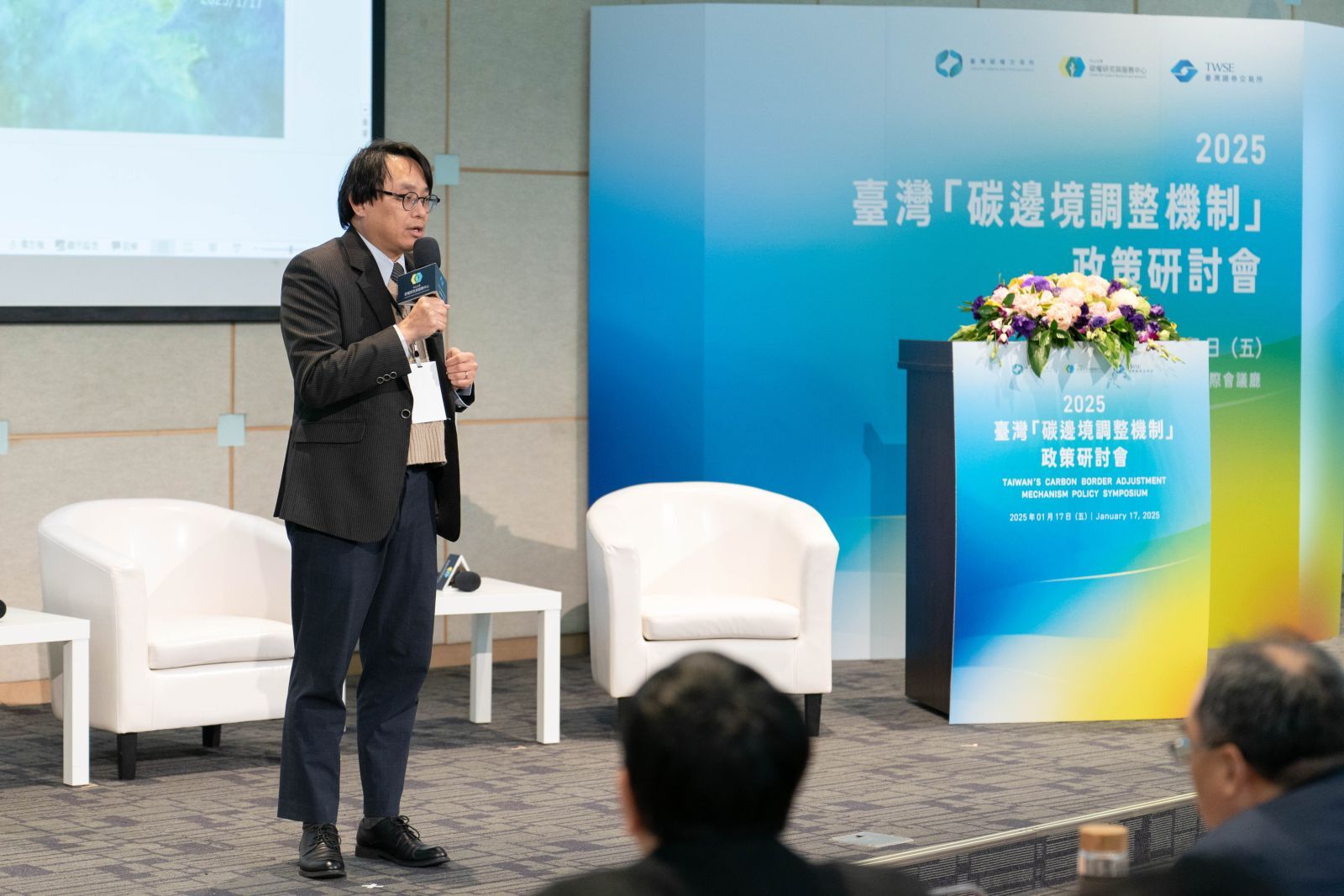
With the EU actively promoting the implementation of the Carbon Border Adjustment Mechanism (CBAM), are Taiwan's high-carbon emission industries, which rely on export-oriented economies, ready? On January 17, 2025, the Taiwan Carbon Solution Exchange, the National Sun Yat-sen University Carbon Rights Research and Service Center, and the Taiwan Stock Exchange jointly held the "2025 Taiwan 'Carbon Border Adjustment Mechanism' Policy Seminar," bringing together representatives from industry, government, academia, and research to exchange views and suggestions.
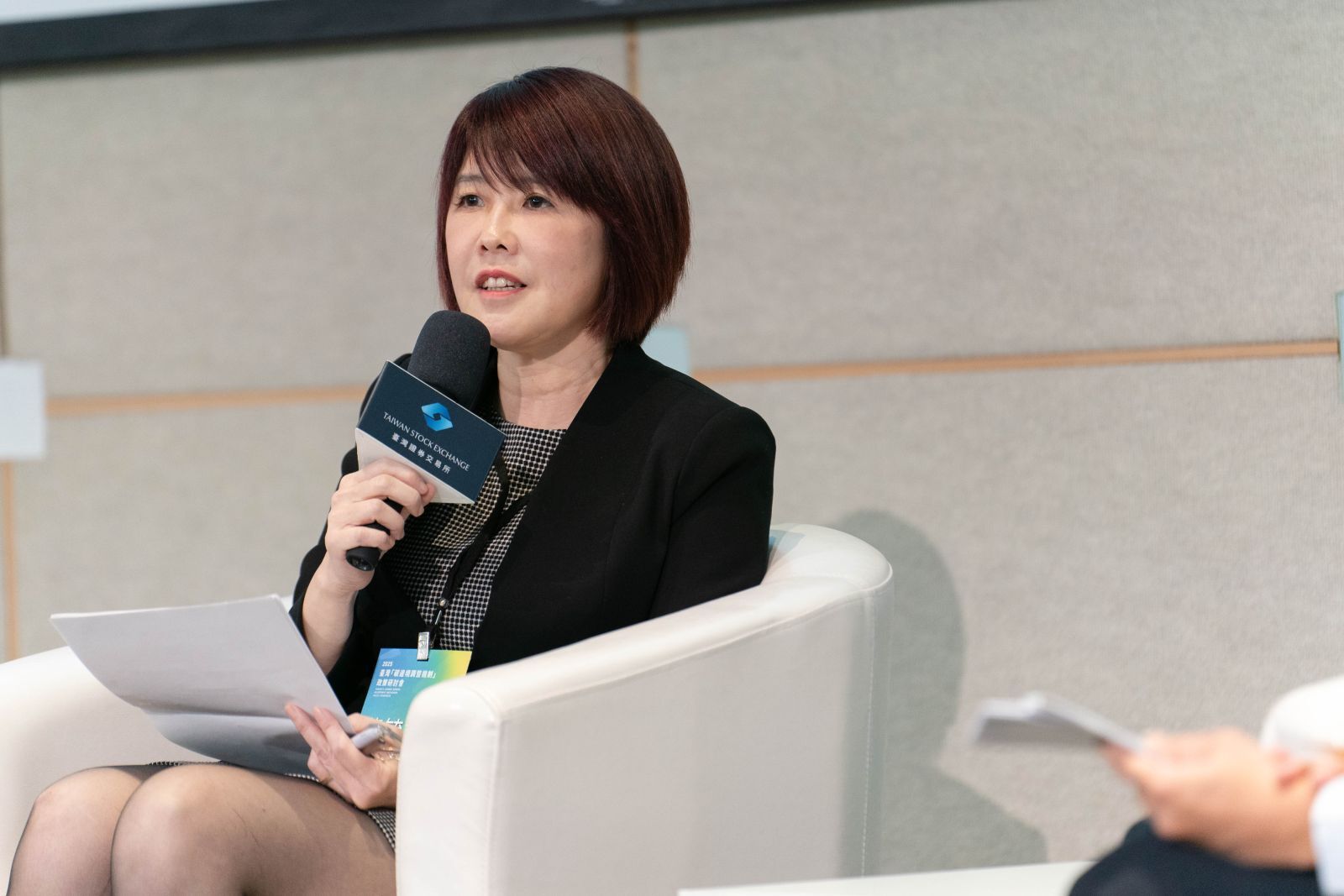
In the session primarily for industry representatives, Ms. Yu-Chun Yeh, Vice President and Chief Sustainability Officer of Taiwan Cement Group, Mr. Chih-Wei Chang, Section Chief of the Environmental Protection Department of China Steel Corporation, and Mr. Jen-Hwa Lu, Secretary-General of the Chinese National Federation of Industries, served as speakers, sharing their actions and perspectives in response to CBAM.
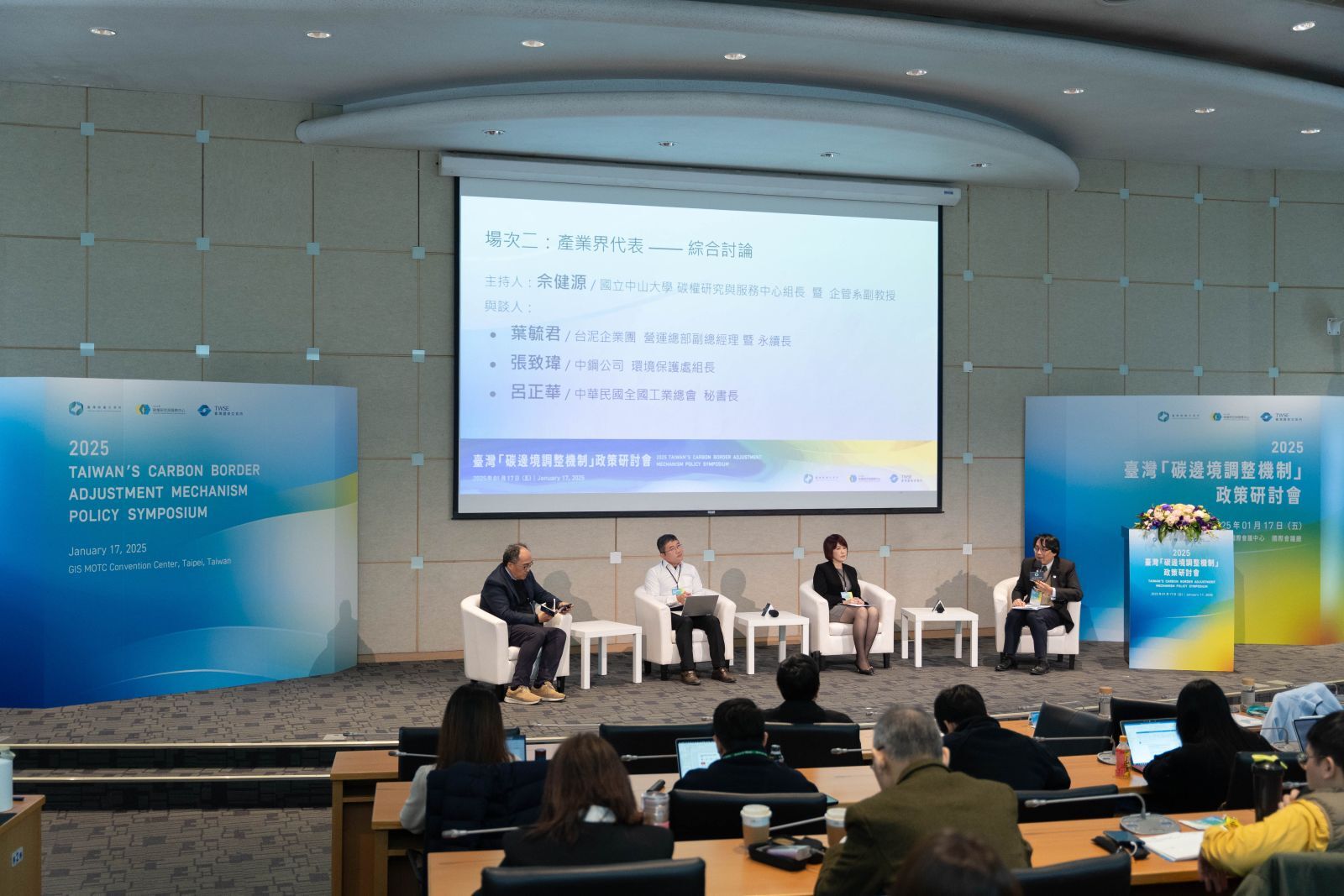
From left: Mr. Jen-Hwa Lu, Secretary-General of the Chinese National Federation of Industries, Mr. Chih-Wei Chang, Section Chief of the Environmental Protection Department of China Steel Corporation, Ms. Yu-Chun Yeh, Vice President and Chief Sustainability Officer of Taiwan Cement Group, and Professor Chien-Yuan She, Group Leader of the National Sun Yat-sen University Carbon Rights Research and Service Center.
Yu-Chun Yeh: The Urgency of Creating a Fair Environment for Low-Carbon Transition
Yu-Chun Yeh, Vice President and Chief Sustainability Officer of Taiwan Cement, introduced that although Taiwan Cement, founded 78 years ago, is a traditional high-carbon emission industry, it also pays attention to global trends. In 7 years, it has launched industrial transformation actions such as participating in energy transition, developing low-carbon building materials, resource recycling, and deploying green energy, completing an 11% reduction in carbon emissions. In 2024, it proposed a corporate net-zero roadmap that meets global goals, including targets for 2030 and 2050, consolidating Taiwan Cement's competitiveness in the era of carbon pricing. Taking its practice in Cameroon, Africa, as an example, Taiwan Cement built the world's first cement plant without a cement kiln, replacing high-carbon limestone with calcined clay, coupled with green energy power generation, reducing carbon emissions by as much as 40%.
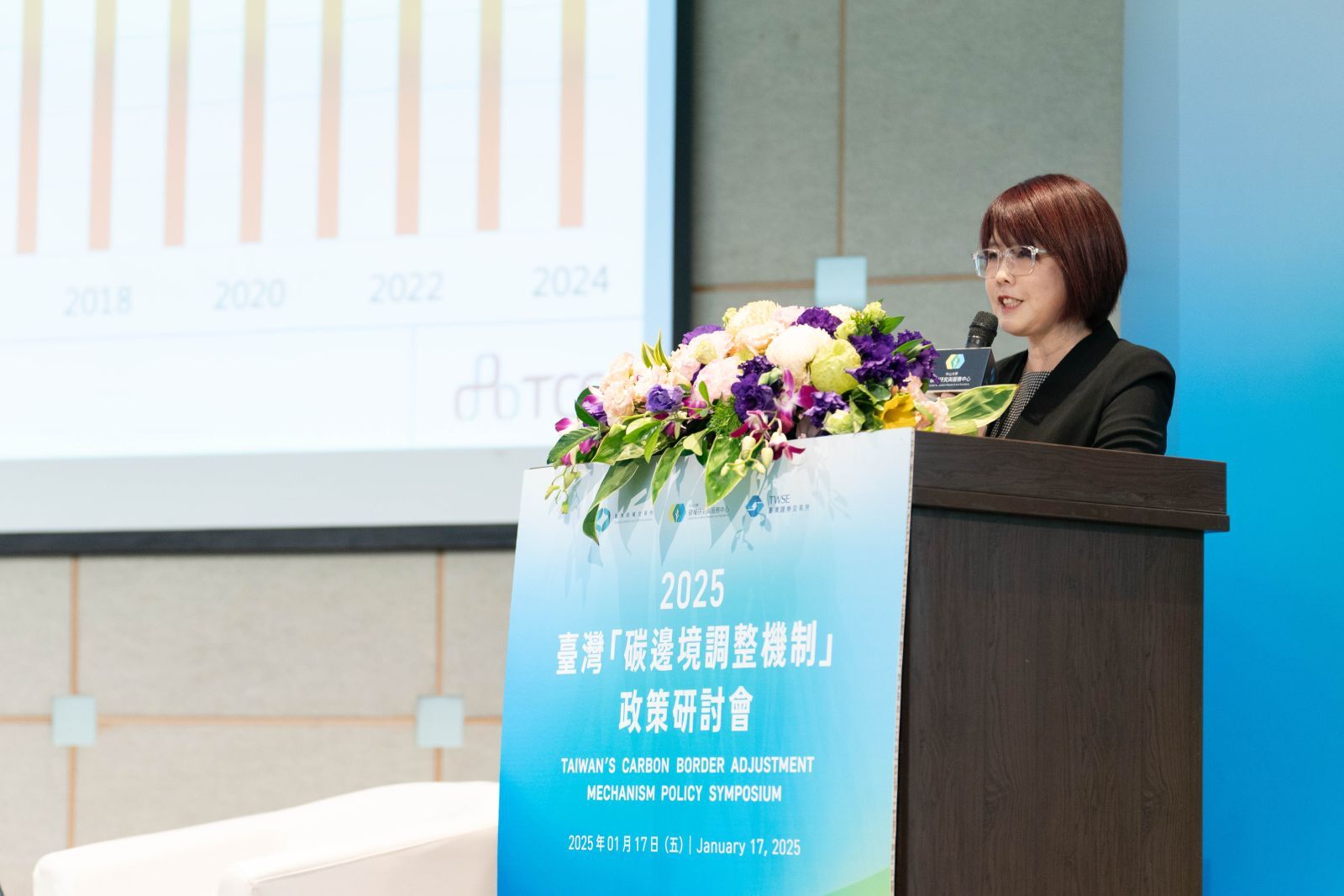
If Taiwan's System Lags Behind, It Will Affect Carbon Leakage and Trade Competitiveness
However, the cement produced by Taiwan Cement in Taiwan has the highest carbon emissions of the company's global operations. Yu-Chun Yeh stated, "It's not that we can't do it technically, but that we are constrained by many domestic regulations." For example, the Portland limestone cement and concrete formula launched in 2014 reduces carbon emissions without reducing strength, but the public works usage specification 03050 stipulates that "only one of slag and fly ash can be added," which is inconsistent with the United Nations' 2024 proposal to expand the use of global limestone cement and significantly reduce carbon emissions.
In addition, the imported cement in Taiwan costs about NT$2,800 to NT$3,000 per ton, while the cement produced in Taiwan is the most expensive at NT$3,000. 20% of imported cement comes from Southeast Asia, which is NT$500 to NT$700 cheaper per ton. "If, according to the current situation where domestic production has to bear carbon costs, and imported high-carbon emission products are exempt from carbon costs, the price difference between imported and locally produced cement will reach NT$2,000 per ton by 2030." Currently, Taiwan exports cement to Southeast Asia and has to pay tariffs of about 25% to 32%, but Southeast Asia does not have to pay tariffs when selling cement to Taiwan, which is not fair. Yu-Chun Yeh emphasized, "Taiwan Cement absolutely supports the carbon pricing system. Companies must work hard to reduce carbon emissions to continue to maintain our carbon competitiveness and our profitability," but at the same time, the government needs to provide a fairer competitive environment in relevant policies.
In 2024, Taiwan Cement submitted three related draft proposals for a Taiwan version of CBAM to government departments for reference, hoping to start by requiring the declaration of imported high-carbon emission products, first to avoid carbon leakage and influence overseas supply chain countries to pay attention to carbon reduction through the system; and second, to ensure that domestic and foreign products pay the same carbon costs, promoting fair competition. "I believe that regulating imported high-carbon emission products to disclose their carbon emissions will be a very, very important step."
Chih-Wei Chang: China Steel's Experience Sharing in Response to the EU CBAM and Low-Carbon Transition
As one of Taiwan's high-carbon emission industries, China Steel's domestic production volume is greater than 50%. In recent years, in response to the CBAM trend, it has begun to promote the strategy of high-value refined steel plants and the development of green energy industries.
In 2021, China Steel formulated short, medium, and long-term carbon reduction strategies and a carbon neutrality roadmap. Chih-Wei Chang, Section Chief of the Environmental Protection Department of China Steel, shared, "We have adopted the practices of steel plants around the world, including improving energy efficiency, using green hydrogen, reusing scrap steel, and using existing commercialized equipment and technologies to improve energy efficiency, replacing old equipment with new ones, or optimizing operations." This will drive the low-carbon and R&D of the entire industry chain, reduce the processing procedures, and create a significant amount of carbon reduction. "In 2023, a total of 223 carbon reduction action projects were completed, achieving a carbon reduction of 358,000 tons of emissions, with a total reduction of about 1.6% of the 2018 emissions."
One of the keys to implementing carbon reduction is actually doing a good job in carbon emission calculation. Chih-Wei Chang said, "Since we want to do product carbon intensity, we will use the existing systematic inventory to calculate the unit carbon emissions of each product. We should prepare well to make the information transparent and provide it completely to customers." China Steel's calculation, from ironmaking, steelmaking, hot and cold rolling, to the surface treatment of steel products, will be connected through the system, and finally made into a form to complete the CBAM declaration data. Chih-Wei Chang said, "Actually, we have done it quite meticulously. In Q4 of 2024, we reported a total of 42 products."
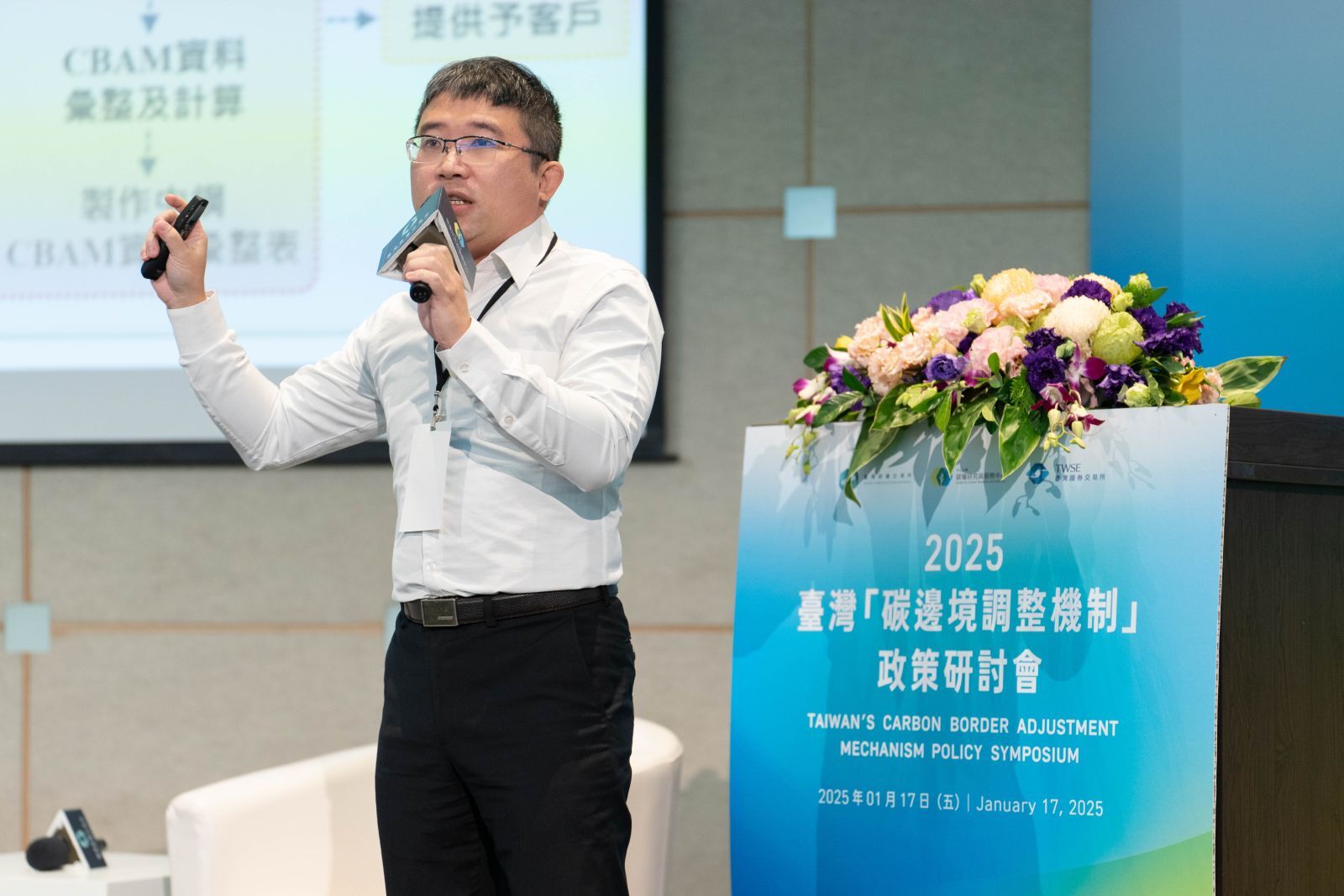
The Benefits of Independently Calculating Carbon Emissions
Performing detailed carbon emission calculations for each product is a major project, but the subsequent benefits cannot be ignored. Chih-Wei Chang explained, "When we calculate the carbon emissions of each unit of processing, we have the opportunity to further find the most cost-effective production path through the concept of footprint, to achieve source management and planning."
As the upstream of the entire steel product supply chain, China Steel continues to optimize the calculation content required by CBAM, "to ensure that customers have a document that can be verified and can meet future declarations." This will reduce the overall impact of CBAM and carbon fees on China Steel.
Jen-Hwa Lu: All Industries Work Together to Reduce Carbon Emissions
Jen-Hwa Lu, Secretary-General of the Chinese National Federation of Industries, attended to speak for various labor unions: "All industries are working hard for the land of Taiwan and are very, very concerned about the issue of carbon." The Chinese National Federation of Industries is composed of 159 labor unions, and by the end of 2024, it had recruited more than 100 companies to join the issue of net-zero transition.
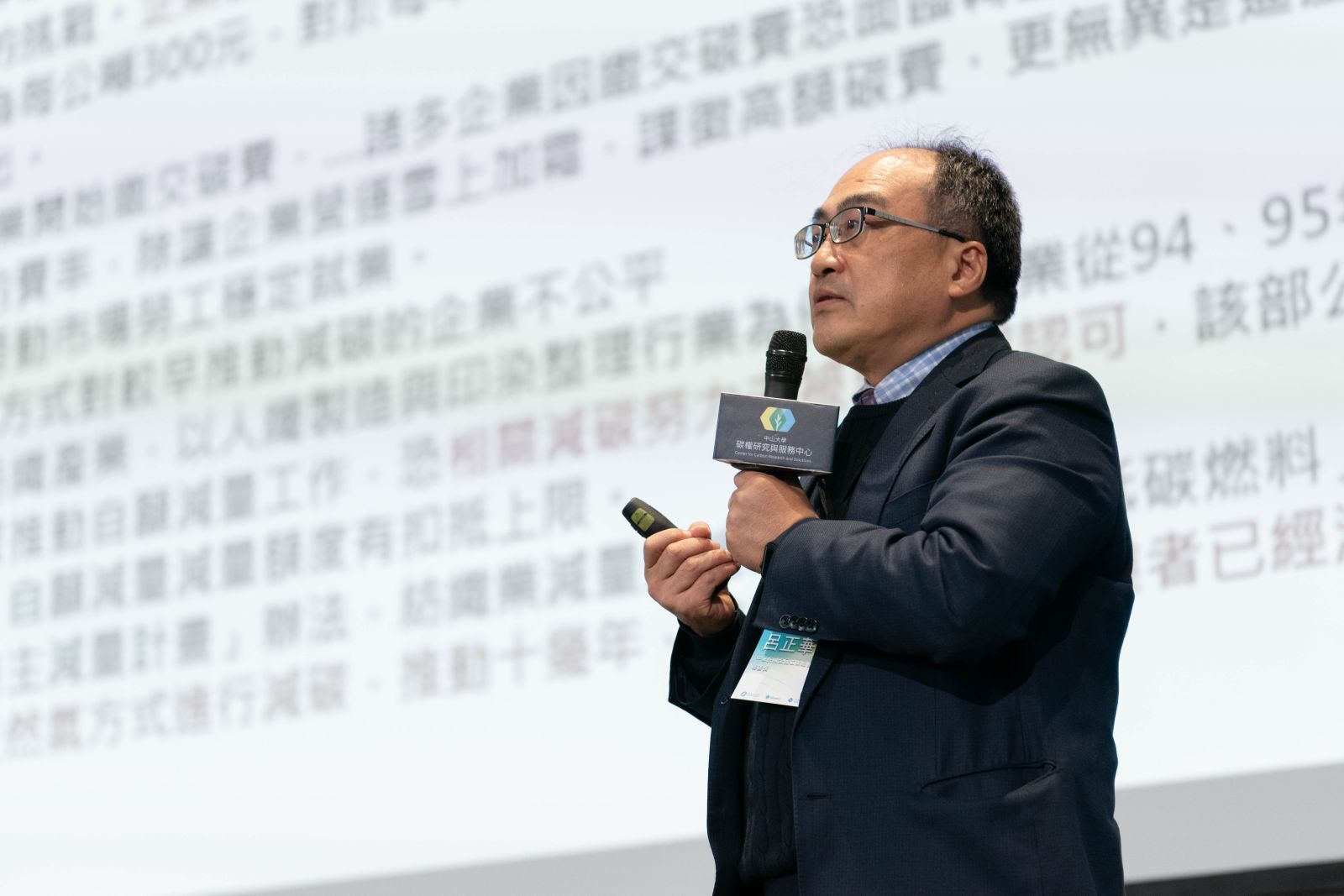
Jen-Hwa Lu pointed out that the industry faces a double burden of high tariffs and carbon fees, believing that Taiwan's carbon fees are too high, which is a heavy burden on the long-term development of the industry and is not conducive to low-carbon transition. He suggested setting a carbon emission limit and reducing it over time, and also assisting companies implementing total quantity control to obtain free allocation.
He also emphasized that the carbon fee system must consider cross-border fair competition and feasibility, formulate complete supporting measures, reduce the impact on corporate operations, and achieve a balance between economic development and net-zero carbon emissions. "I hope that the government will consider the opinions of the industry when promoting it."
Exchange of Opinions: Does the Collection of Carbon Fees Create Competitive Pressure? How to Require Carbon Inventory from Importing Countries?
Chien-Yuan She, Group Leader of the National Sun Yat-sen University Carbon Rights Research and Service Center, led the on-site questions and discussions after the three industry speakers shared their views. Among them, more attention was focused on the competition and fairness between imported products from Southeast Asia and Taiwanese products.
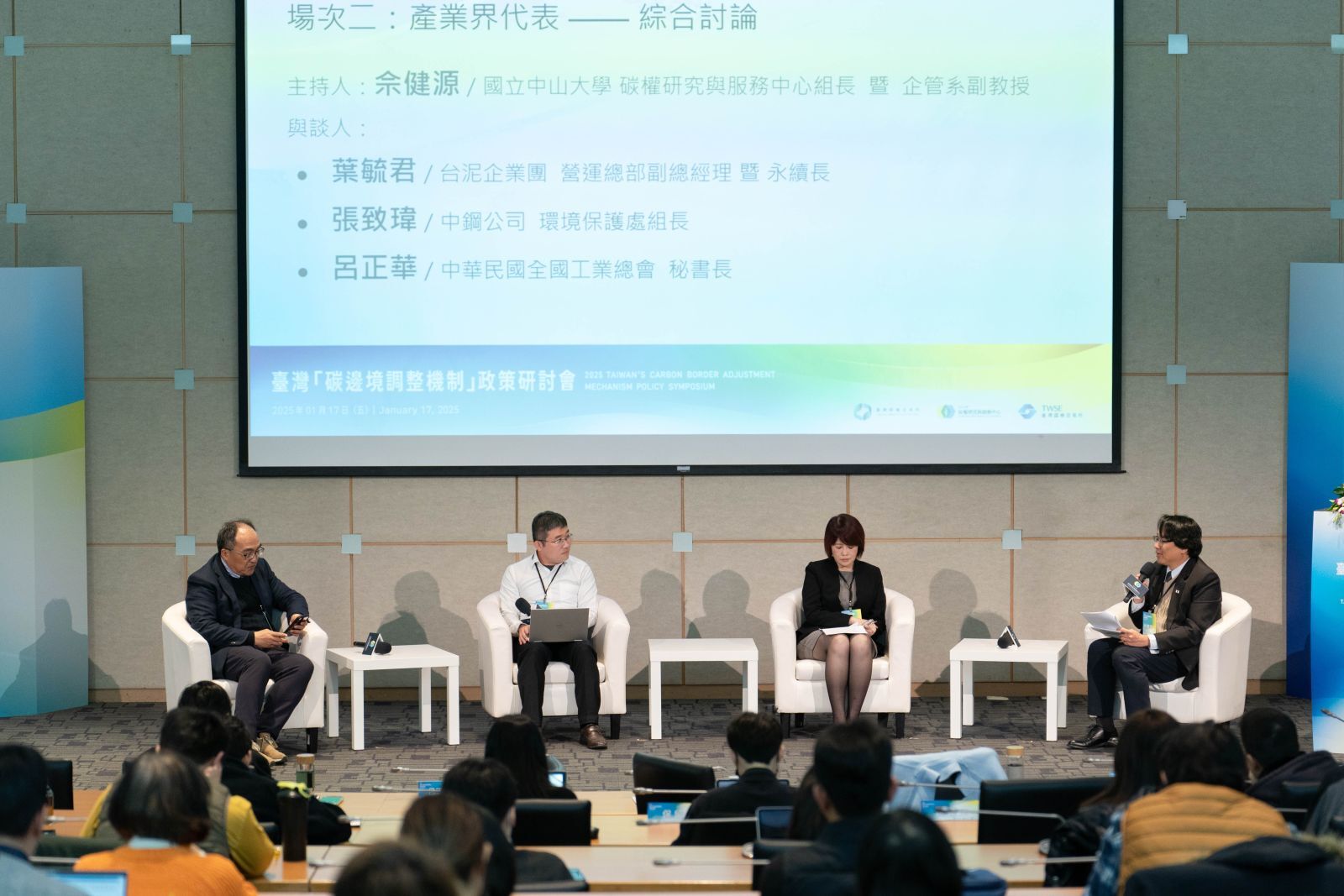
In response, Jen-Hwa Lu worried that if the imported cement is not subject to carbon fees/carbon taxes in its country, it will be unfair to domestic industries and will also cause carbon leakage. He suggested requiring imported cement to provide third-party certified carbon emission certificates and collecting carbon fees, otherwise, the internationally recognized cement carbon emission volume should be used for taxation.
Yu-Chun Yeh added, "We must ultimately return to the root, which is whether we are determined to reduce carbon emissions. The system of collecting carbon fees is used to promote domestic companies to reduce carbon emissions, so if you work hard to reduce it, you will be competitive, and it will not become a very important cost burden for you."
However, she also emphasized, "We should not assume that the cement in Southeast Asia is all high-carbon emission. Don't always think that Southeast Asia does not pay attention to it. It has already announced regulations since 2022, requiring operators with annual emissions of more than 3,000 tons of carbon dioxide equivalent to start inventorying their 2024 carbon emissions from 2025 and must be verified."
In fact, Article 31 of the "Climate Change Response Act" already has a system for collecting payments for imported high-carbon emission products, but the announced articles have not yet been revised. Yu-Chun Yeh suggested starting with reporting carbon emissions: "Now the Ministry of Economic Affairs is seriously assisting Taiwanese SMEs in responding to the EU CBAM, learning what carbon inventory and verification are, which drives the overseas supply chain to enter the issue of sustainability together. I think this is the real core of the Taiwan version of CBAM, to exert the influence of sustainability through this system."
Chien-Yuan She summarized this seminar session, pointing out that the key to the carbon fee system is whether society cares. "In fact, it cannot only be borne by manufacturers. Buyers should also bear it. It used to be cheap because everyone did not pay what they should pay, but now they have to pay what they should pay." As for whether it will cause the problem of "green inflation," Chien-Yuan She believes that, according to the research of experts and scholars, the impact is relatively small. Implementing carbon pricing policies "will be good for everyone, otherwise, in 50 years, humans may not be able to live the way they do now."