Foresee Ocean Blue Carbon Sinks, NSYSU College of Marine Science Talks about Carbon Sink Technology Development
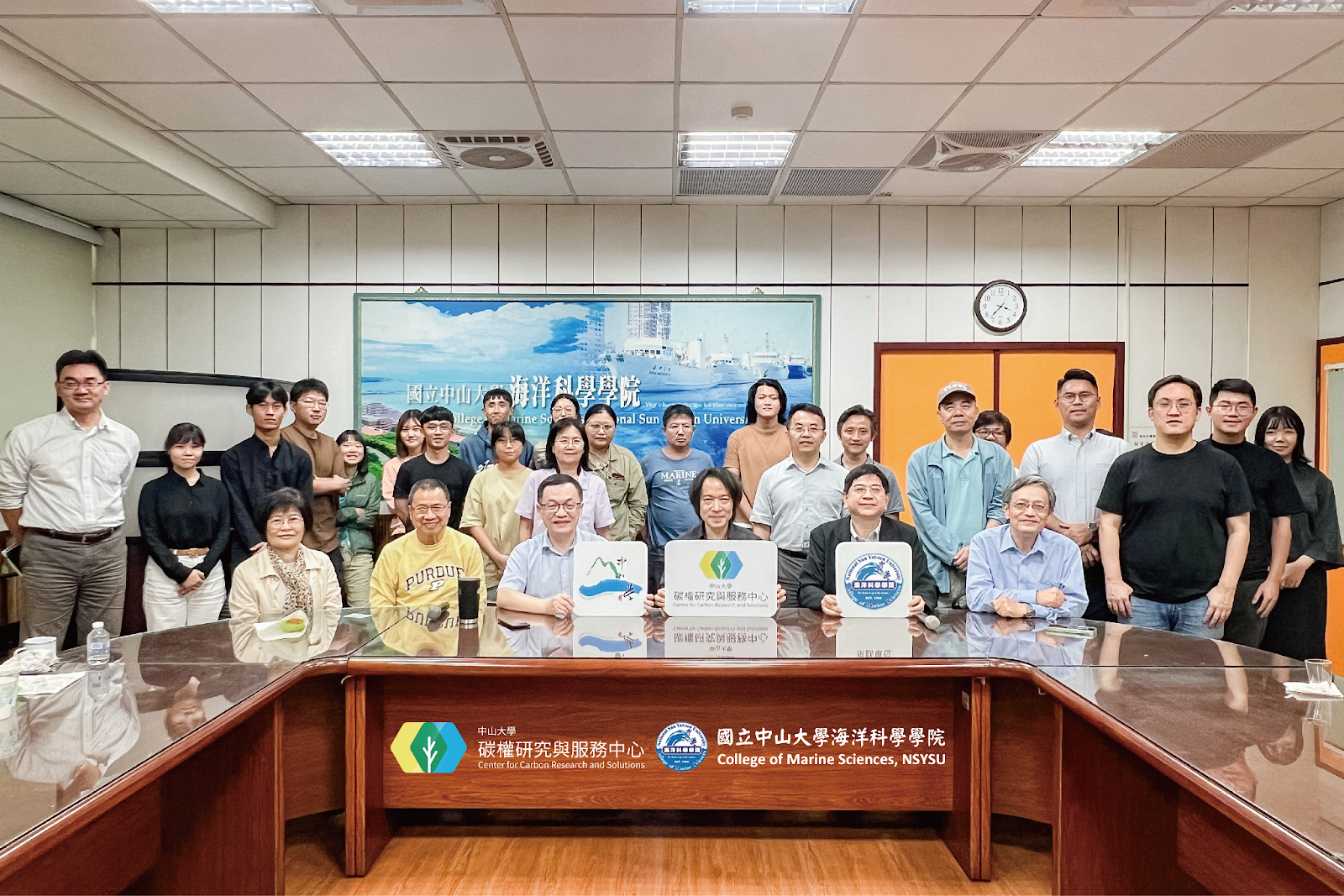
Ocean "blue carbon" has become a hot topic in recent years. The College of Marine Sciences and the Center of Carbon Research and Solution (CCRS) of National Sun Yat-sen University recently co-hosted the "Ocean Blue Carbon Outlook Seminar" and invited You-Ren Wang, the Team Leader of the CCRS, to deliver a talk on "The Development Potential and Trends of Blue Carbon". Nearly 30 teachers and students gathered together to exchange insights on current marine carbon sink technologies. Notably, two high school students who participated in the special talent admission program for the College of Marine Sciences also attended the seminar, reflecting the growing public interest in carbon sink and carbon credit issues.
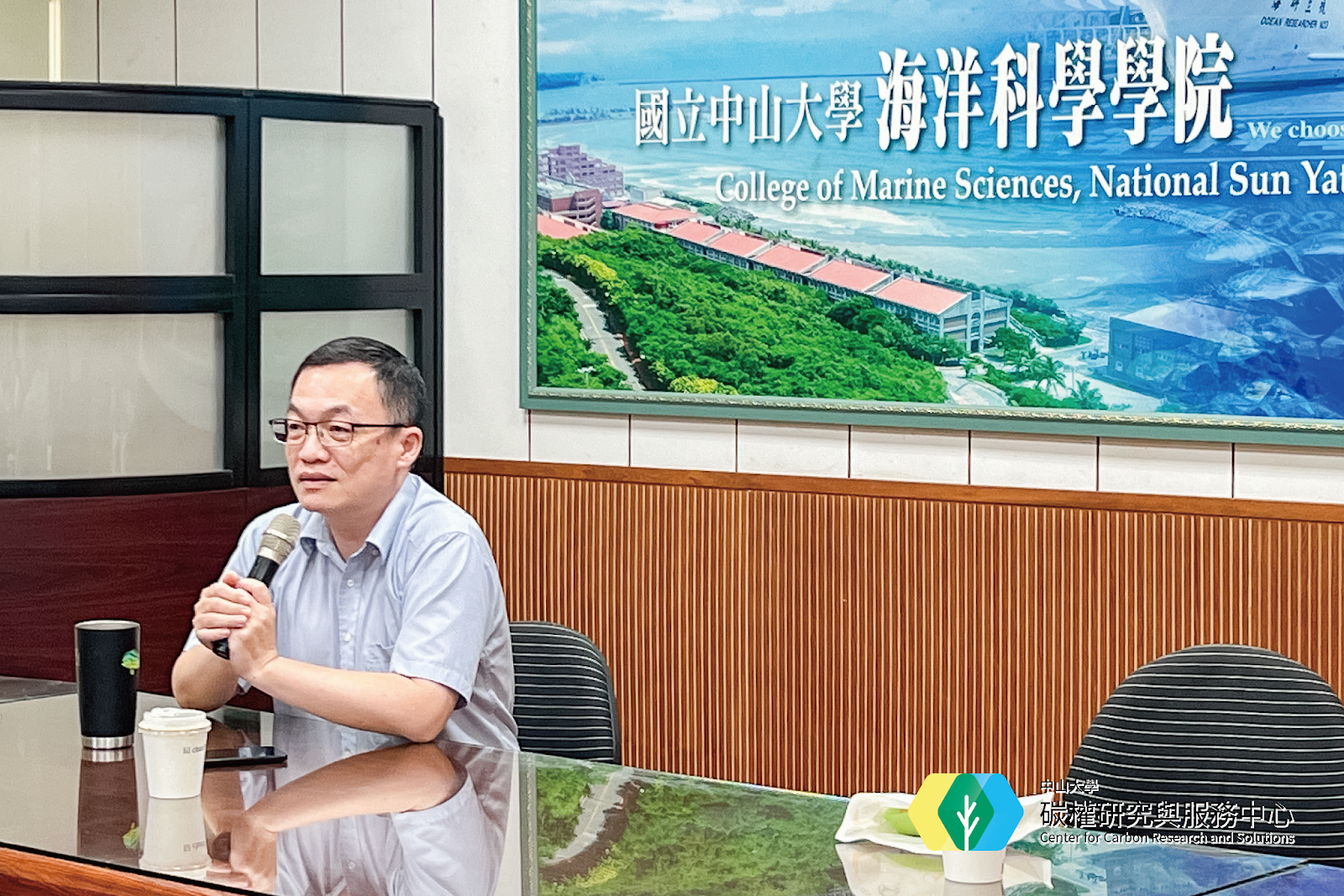
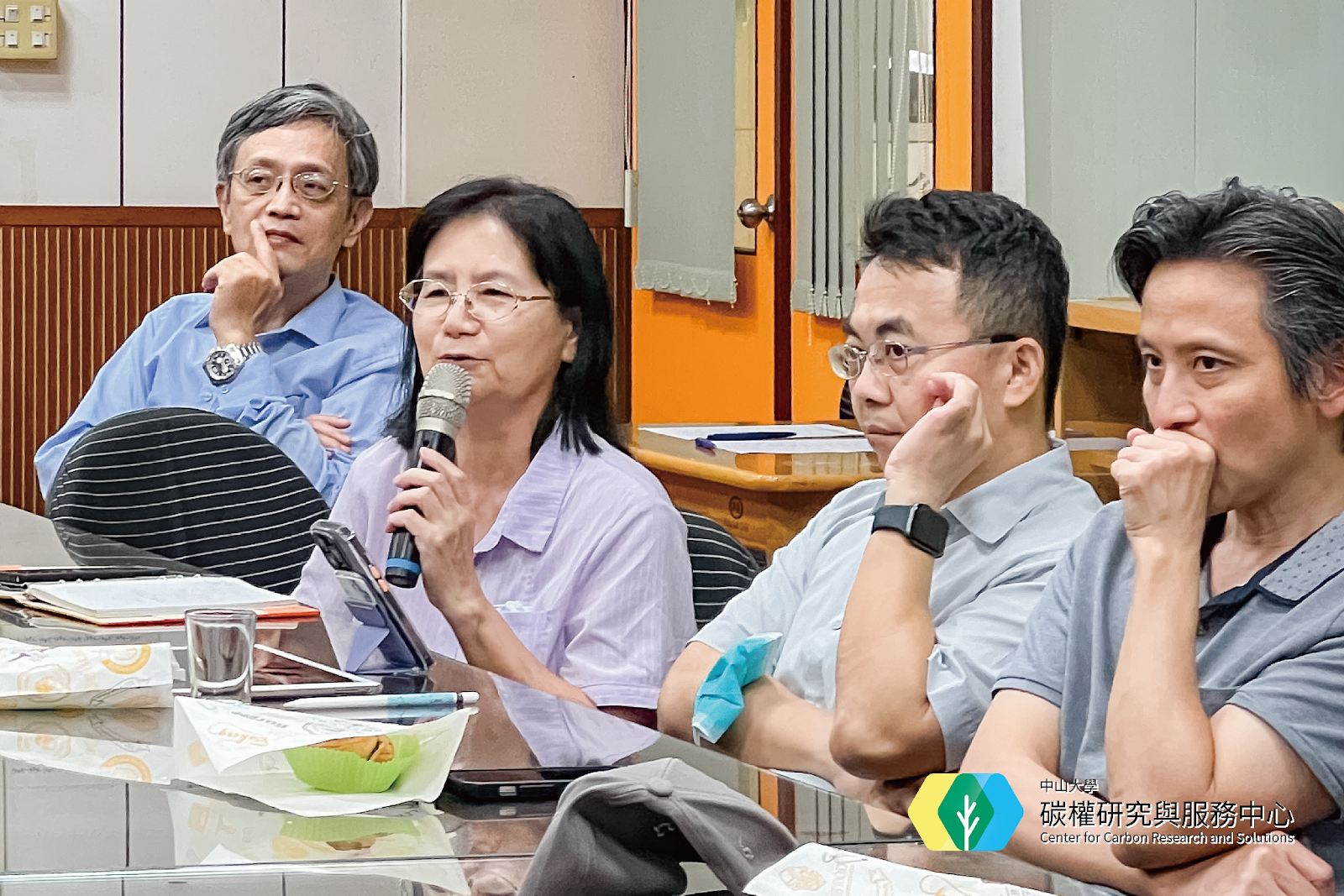
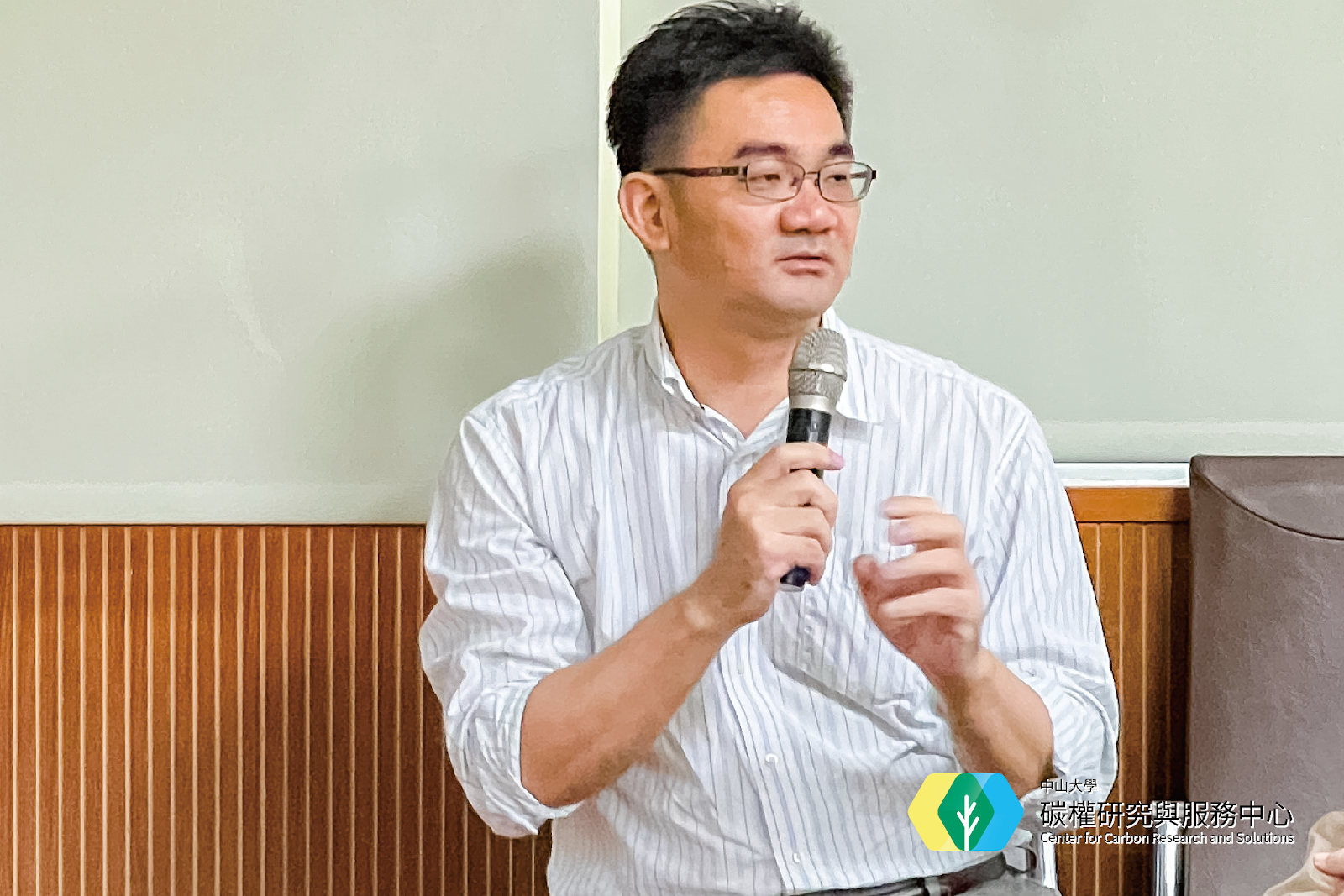
As the challenges of climate change intensify, engaging in carbon reduction efforts has gradually become a global trend. The ocean, which holds the greatest potential for carbon sink on Earth, offers one of the most long-lasting natural solutions to mitigating climate change, making ocean "blue carbon" a popular and rapidly developing area of discussion in recent years, particularly the development of negative emission technologies based on blue carbon, which is an important pathway to achieving net-zero emission goals and tackle climate change. In the opening speech, Professor Hung-Jeng Tsai, Director of the CCRS, pointed out that Taiwan's blue carbon potential has yet to be developed, and he looks forward to exploring more possibilities through this seminar, including identifying other blue carbon methodologies within Taiwan, promoting the development of carbon neutrality technologies, and creating lower carbon footprint products, etc., to contribute meaningful momentum into Taiwan's carbon reduction strategy.
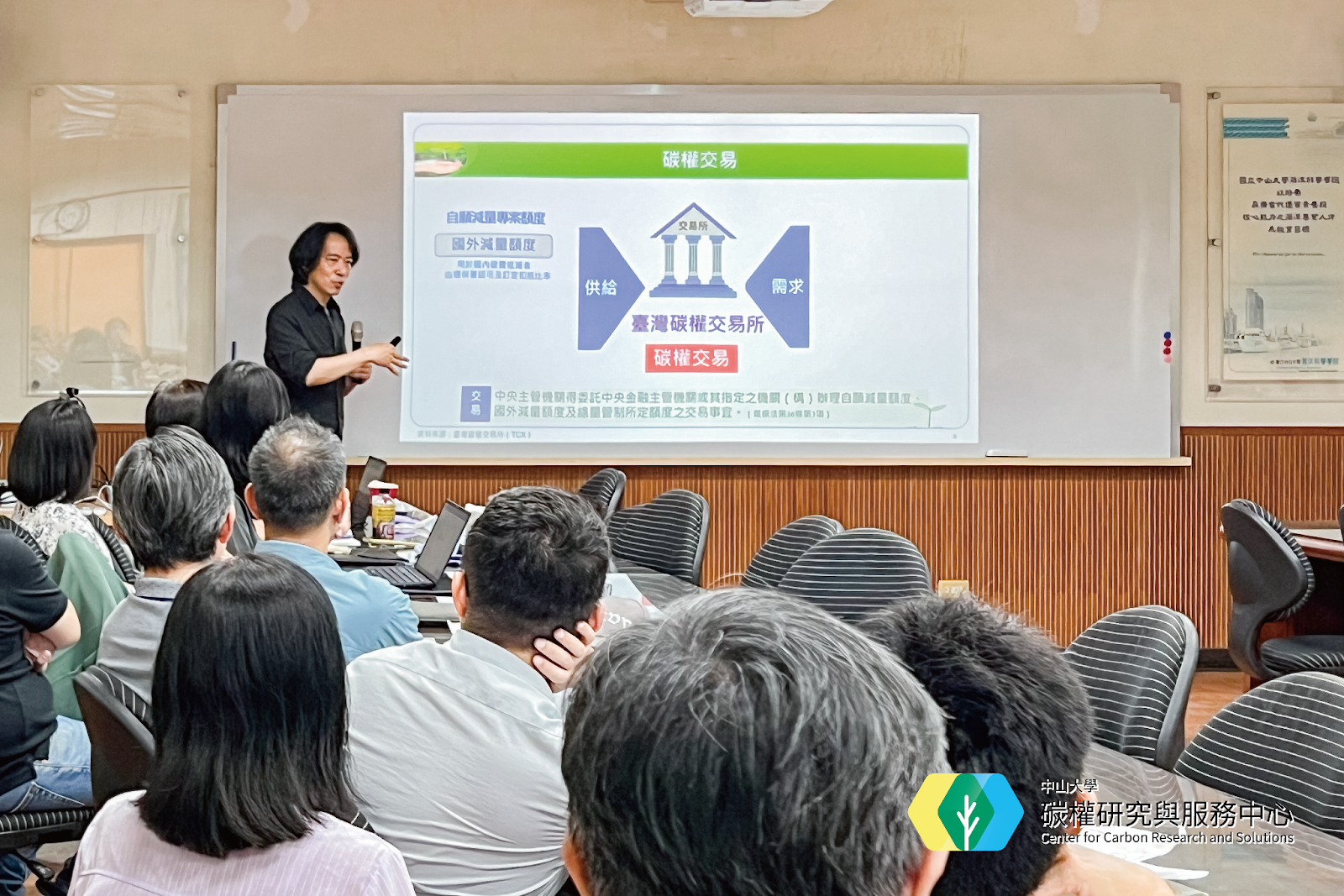
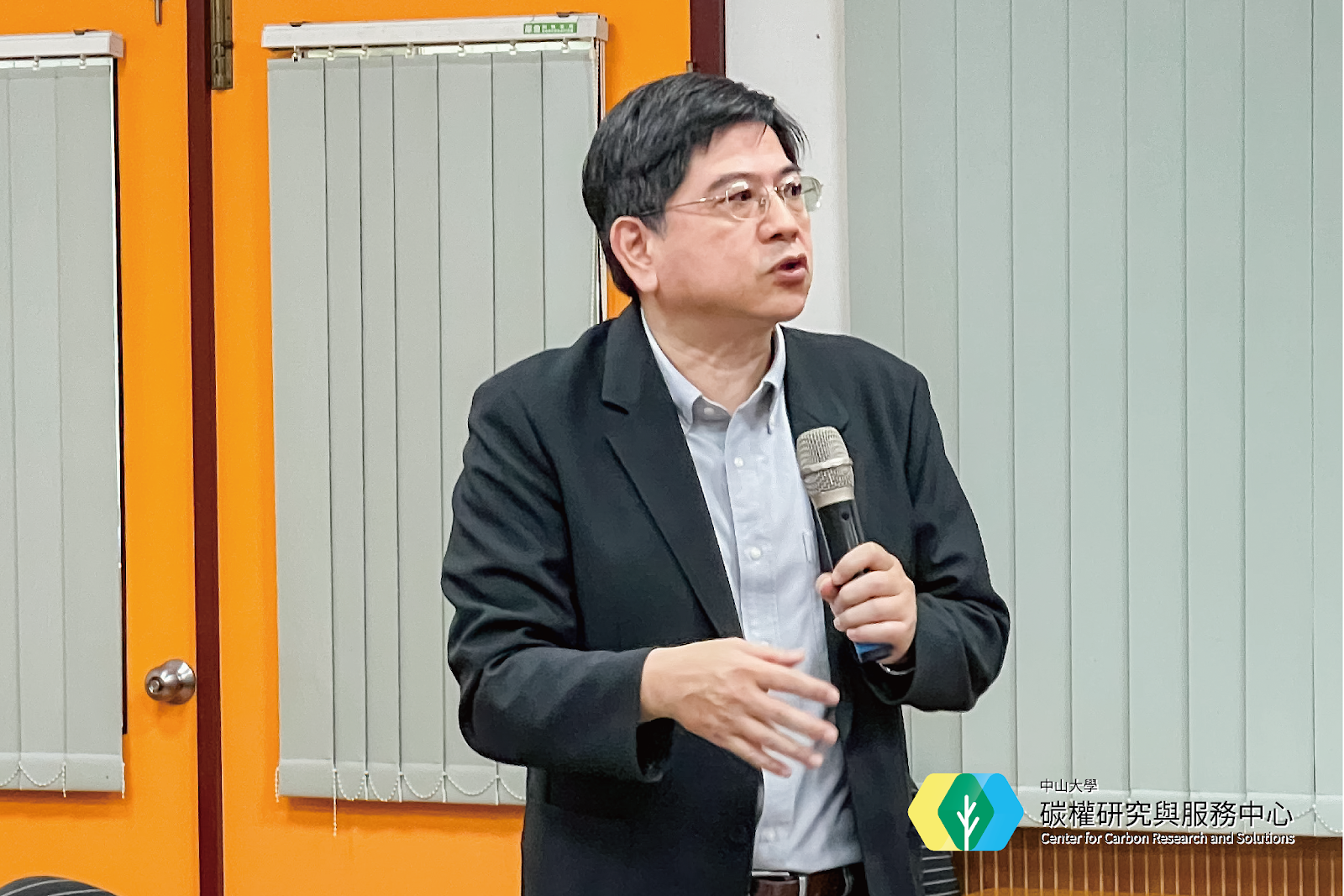
The main speaker You-Ren Wang began by introducing carbon trading systems, setting the stage for a discussion on current global blue carbon credit projects involving mangroves, analyzing the internationally recognized methodologies, including standards for blue carbon projects such as mangroves and seagrasses, and providing an in-depth analysis of Taiwan's existing carbon credit system and methodology review policies. His presentation gave participants a clear understanding of both domestic and international approaches to blue carbon monitoring, measurement, and carbon credit trading.
You-Ren Wang believes that in addition to deepening academic research on blue carbon, Taiwan should place even greater emphasis on expanding the development of carbon credit application. He highlighted that the blue carbon initiatives offer significant social and economic benefits to local communities and even to developing countries, such as the Philippines and other Southeast Asian countries with rich mangrove resources. Japan is actively promoting blue carbon projects and cooperating with Indonesia on carbon credit conversion, which serves as valuable examples for Taiwan. Therefore, if there is an opportunity to sign a cooperation agreement with local universities and establish a blue carbon research station to support carbon credit development, it will contribute to the development of southern countries and realize social equity and strengthen international collaboration.
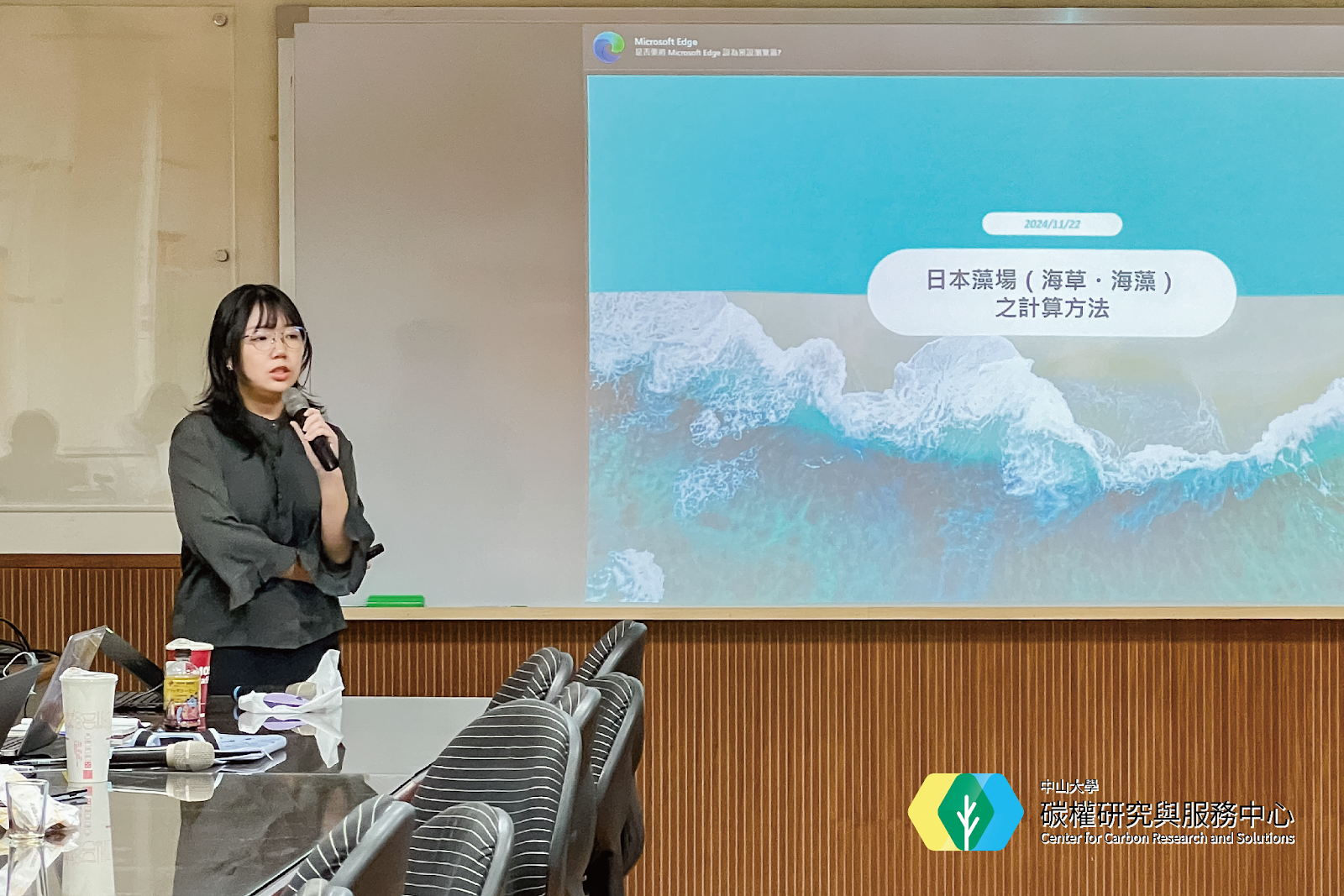
You-Ren Wang also pointed out that beyond mangrove and seagrass projects, other aquaculture-based blue carbon projects such as seaweed, oysters, and shellfish are also being explored for their potential to generate carbon credits, as well as the development of products such as seagrass biofuels, for use in daily life is an area of active technological advancement that countries around the world are actively investing in. Among them, Japan currently leads in the development of methodologies for converting seagrass and seaweed into carbon credits. Chih-Yi Liu, Assistant Manager of CCRS, further introduced Japan's carbon sink calculation methods for seagrass and seaweed, she also shared details of several project implementations, which captured the attention of the teachers and students attended to the seminar, and led to interactive discussions on the carbon sink research technology of seagrass and seaweed fields in Taiwan, and how it might align with international blue carbon technological methods.
During the Q&A session, Distinguished Professor Chin-Chang Hung of the Department of Oceanography pointed out that due to Taiwan's unique geographical characteristics, although mangroves and seaweed can absorb nearly 6 to 8 tons and 20 to 30 tons of CO₂e each year, it is essential to consider the potential loss caused by typhoons and other climate-related factors. It is urgent to construct local baseline parameters in order to effectively advance blue carbon development efforts in Taiwan.
The development of ocean blue carbon technology is still in its early stages in Taiwan, and it is expected to face many challenges. How to "ride the wave" and innovate blue carbon opportunities in Taiwan? As emphasized jointly by Dr. Te-Yu Liao, Dean of the College of Marine Sciences, and Professor Hung-Jeng Tsai, Director of the CCRS of NSYSU, during the seminar, Taiwan's blue carbon framework potential has yet to be developed. They expressed hope that the seminar would help uncover more possibilities, including establishing a localized blue carbon methodology, promoting the development of carbon neutrality technology, and developing low carbon footprint products, etc. These efforts aim to inject real momentum into Taiwan’s carbon reduction strategy and jointly expand business opportunities within the country’s marine blue carbon market.
🔗Article Source:NSYSU NEWS