
Supporting Green-Collar Talents, NSYSU Offers Net-Zero Emission Courses for Free
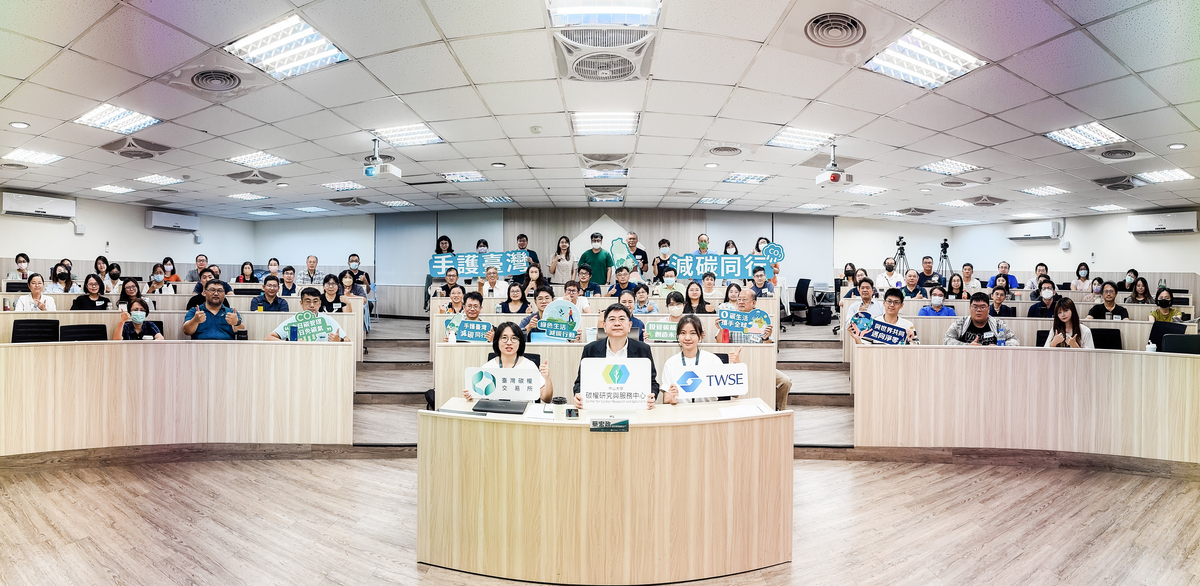
Solving global climate issues is an urgent priority. In order to achieve the “2050 Net-Zero Emissions” goal, countries around the world have been introducing carbon pricing policies. As a result, greenhouse gas emissions have evolved from being an environmental sustainability issue to a critical economic concern tied to industrial competitiveness. To respond to international net-zero trends and growing carbon reduction pressures, Taiwanese industries are actively promoting a dual transformation toward digitalization and low-carbon operations, and the demand for green-collar talents is increasingly urgent. To support the cultivation of the net-zero green-collar professionals urgently needed by the country and its industries, the CCRS of National Sun Yat-sen University has partnered with the TWSE and the TCX to offer a six-part course series "Introduction to Net-Zero Carbon Planning and Management". This program is designed to systematically build foundational knowledge of net-zero principles. The course structure covers key topics such as global net-zero and sustainable development policy trends, international climate initiatives, and carbon tax and trade policies. It also provides an overview of essential carbon management knowledge, including carbon inventory, carbon footprint, carbon neutrality, and carbon trading.
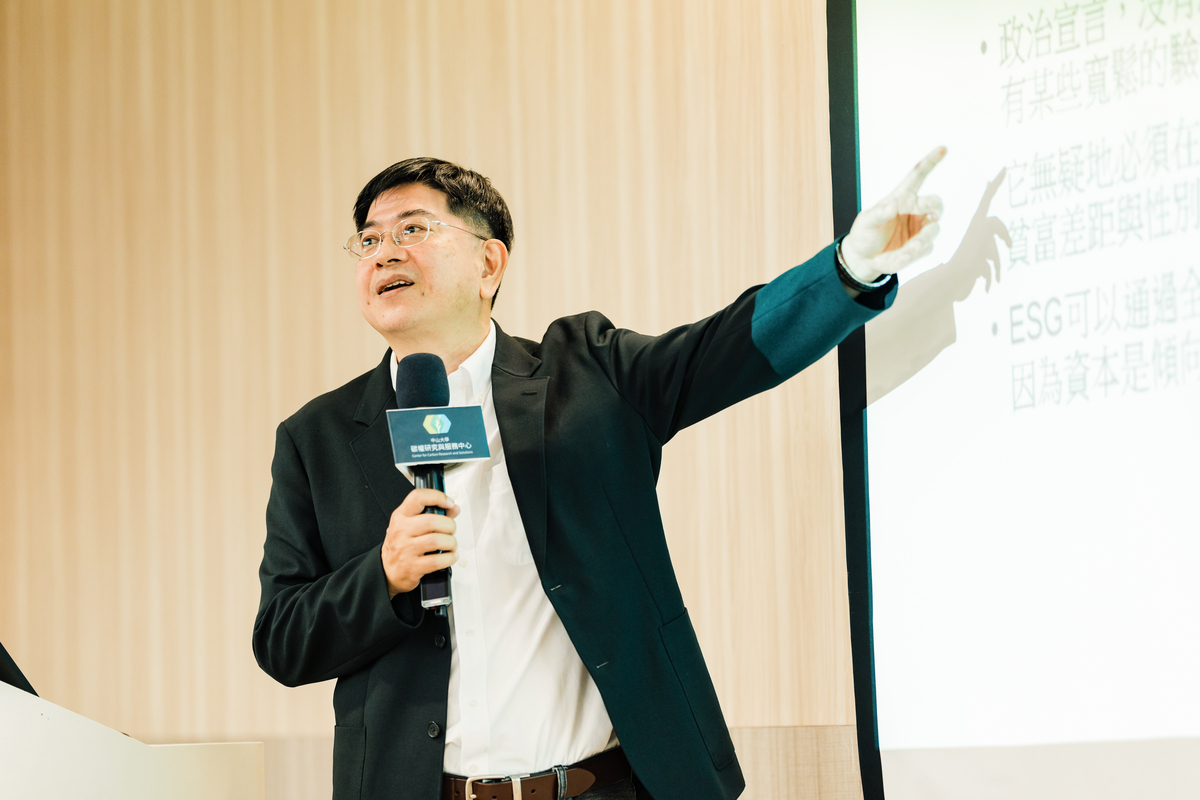
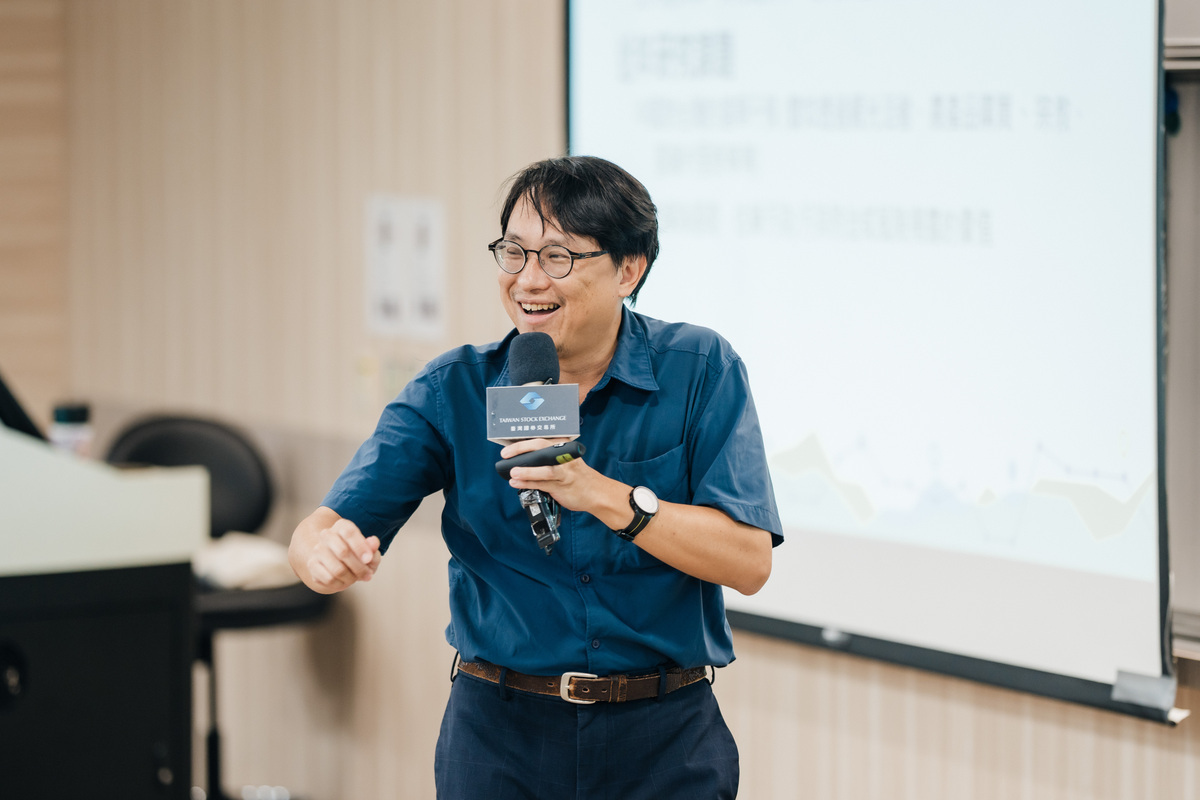
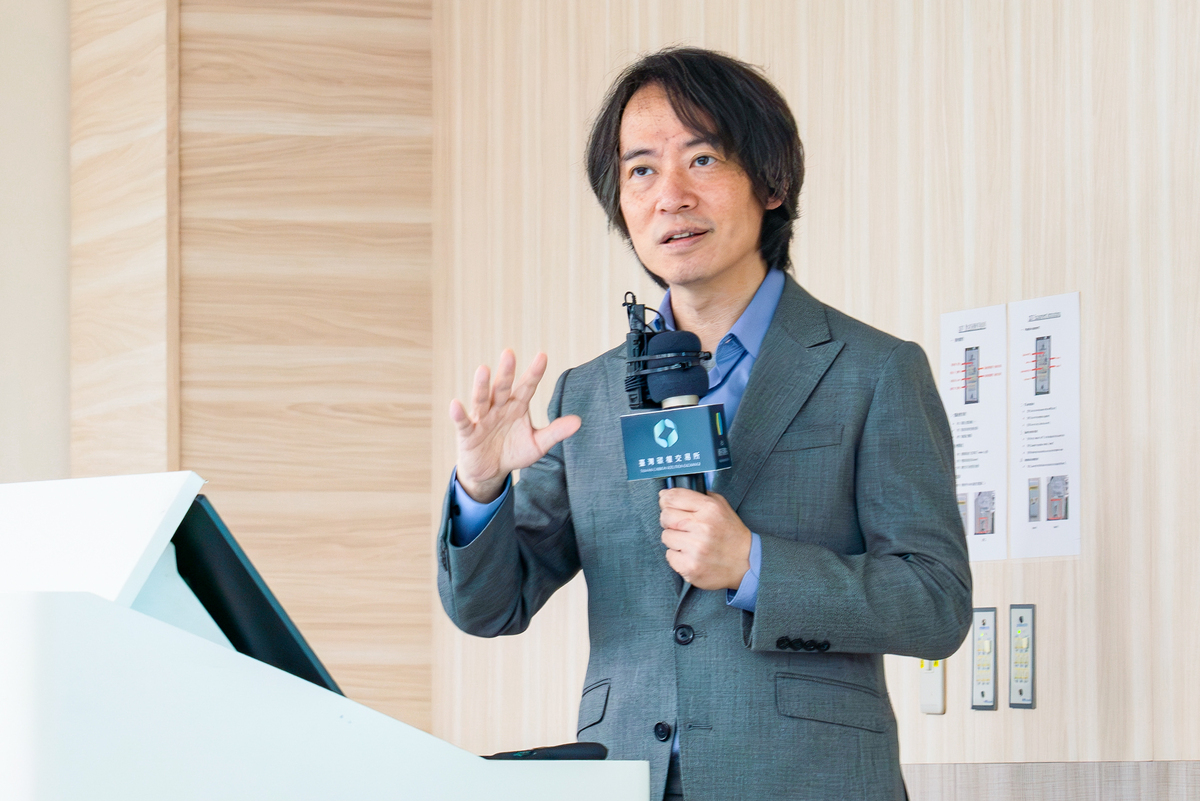

To strengthen Taiwan's local green-collar talent pool, National Sun Yat-sen University has been offering a free foundation education program on net-zero issues, and attracted extensive registration with nearly 100 students' enrollment in each session to gain essential knowledge on net-zero strategies. Professor Hung-Jeng Tsai, Director of the CCRS of NSYSU, and team leaders Chien-Yuan Sher and You-Ren Wang, each guided students through three key areas: the development trend of net-zero policies, carbon tax and trade regulations, and carbon trading management. Step by step, they led the participants in understanding how climate and carbon governance policy frameworks have been developed under the 2050 net-zero goal, and how market mechanisms are used to create incentives for carbon reduction, leading to potential solutions to the challenges of climate change through collective global effort. Moreover, setting carbon reduction targets, disclosing climate risks and strategies have become essential indicators of international competitiveness for industries. Edison Wang, Guest Speaker for College of Management of NSYSU, who also serves as an industry expert, provided a comprehensive explanation of major international climate initiatives, to grasp key insights into how industries can build climate resilience and competitiveness.
A fundamental step in reducing industrial greenhouse gas emissions is conducting thorough emissions inventories. First, calculate and understand the emissions of the organization, product or service, in order to further identify emission hotspots and develop targeted reduction strategies. The CCRS invited two experts from the Green Energy & Environment Research Laboratories of ITRI, Vincent Huang, Technical Director of Carbon Management, and Gaia Lu, Senior Engineer. Both have long been dedicated to assisting industries in carbon management and developing carbon footprint coefficient databases in Taiwan. Through practical case studies, they delivered engaging and insightful sessions on two key topics: “Organizational Greenhouse Gas Inventory” and “Carbon Footprint Assessment".


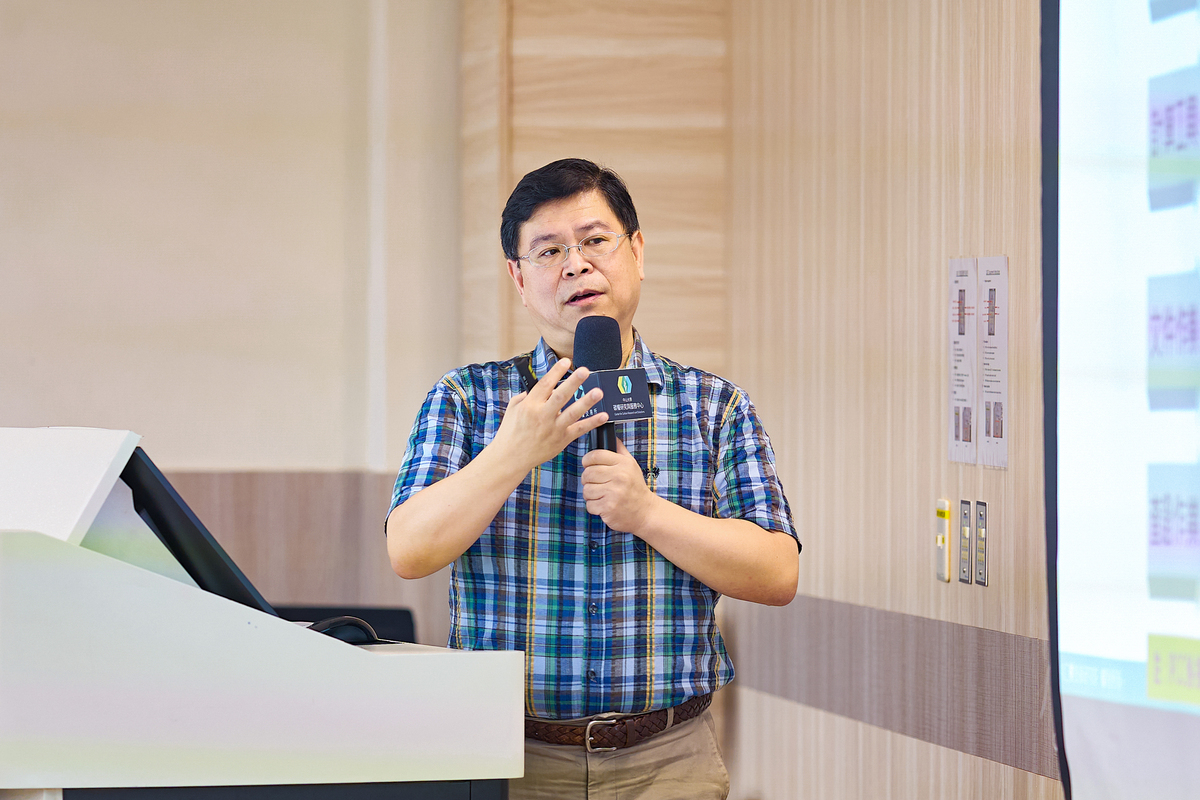
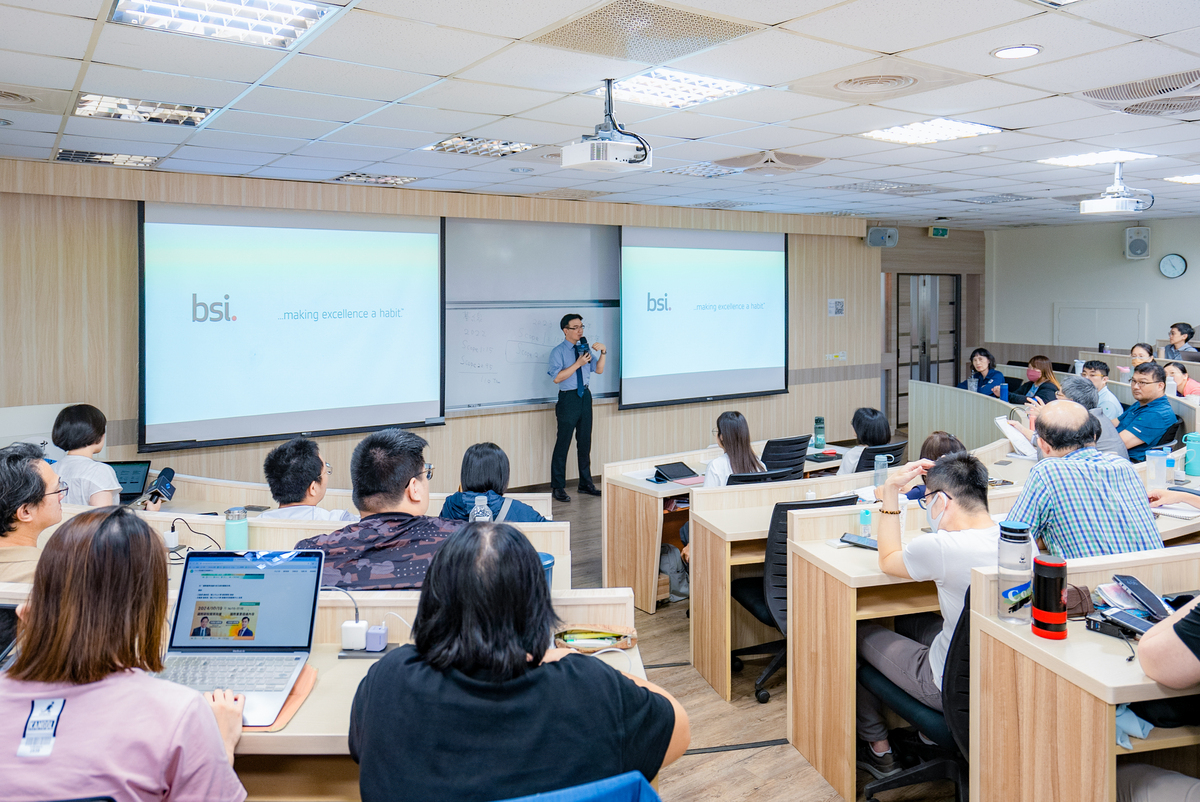
To achieve global net-zero targets also relies on individual organizations to establish concrete short-, mid- and long-term greenhouse gas management plans. These plans must be consistently implemented and refined with improved reduction technologies, using carbon credits for offsetting only when emissions become difficult to reduce further. The British Standards Institution (BSI) introduced the world's first carbon neutrality standard in 2010; last year, the International Organization for Standardization (ISO) announced the carbon neutrality standard ISO 14068-1, based on BSI’s foundational work under more than ten years of experience. The series of courses invited BSI Chief Technology Officer Ivan Cheng to introduce the latest requirements and guidelines in the international carbon neutrality standard. He explained how companies should disclose and declare their carbon neutrality goals, and emphasized the "reduce first, offset later" principle to achieve carbon neutrality. Real-world case studies were also shared to illustrate how organizations can implement these standards in compliance with internationally-recognized practices.
The course series received positive feedback from participants, they especially expressed appreciation toward the distinguished instructors for delivering solid and engaging content. Through the explanations by the experts and scholars, participants were able to build a strong foundational understanding of carbon management. Net-zero carbon management and planning span a wide range of topics, and with related laws and standards evolving rapidly, many enterprises have begun to establish dedicated teams to manage sustainability efforts. To support the integration of skilled professionals into industry, Taiwan’s National Development Council has launched talent development programs in two key areas: net-zero green talent and AI. The Ministry of Economic Affairs has also introduced a national net-zero certificate and organized the entry-level "Net-Zero Carbon Planning Manager" qualification exam, aiming to fulfill the shortage of 80,000 green-collar professionals by 2028. The National Sun Yat-sen University CCRS is committed to assisting industries in Taiwan to turn the net-zero challenge into opportunities, and will continue to provide consulting services and educational training, to work alongside industries to realize the vision of sustainable governance.
🔗Article Source:NSYSU NEWS