
Nurturing Green-Collar Talents, NSYSU Free Net-Zero Emission Courses Begin
"2050 Net-Zero Emissions" is not only an environmental sustainability issue anymore, it has become a key economic concern tied to industrial competitiveness. In order to achieve the various goals set by domestic and international carbon pricing policies, Taiwanese industries have begun to actively advancing dual transformations in digitalization and decarbonization, driving a growing demand for green-collar talents. To support the country's transition towards net-zero, the Center for Carbon Research and Solution (CCRS) of the National Sun Yat-sen University has collaborated with the TCX and the TWSE to offer a free 6-part course series "Introduction to Net-Zero Carbon Planning and Management". The program began by covering essential topics such as "global net-zero and sustainable development policy trends", "international climate initiatives", and "carbon tax and trade policies", to build a systematic foundation in knowledge on core carbon management, including carbon inventory, carbon footprint, carbon neutrality, and carbon trading. The purpose of the program is to cultivate the net-zero carbon planning and management professionals urgently needed by the country and industries. The first session was held on October 19th at the lecture hall of the College of Management at NSYSU, drawing a hundred participants who stayed engaged throughout, eagerly absorbing knowledge on net-zero strategies.
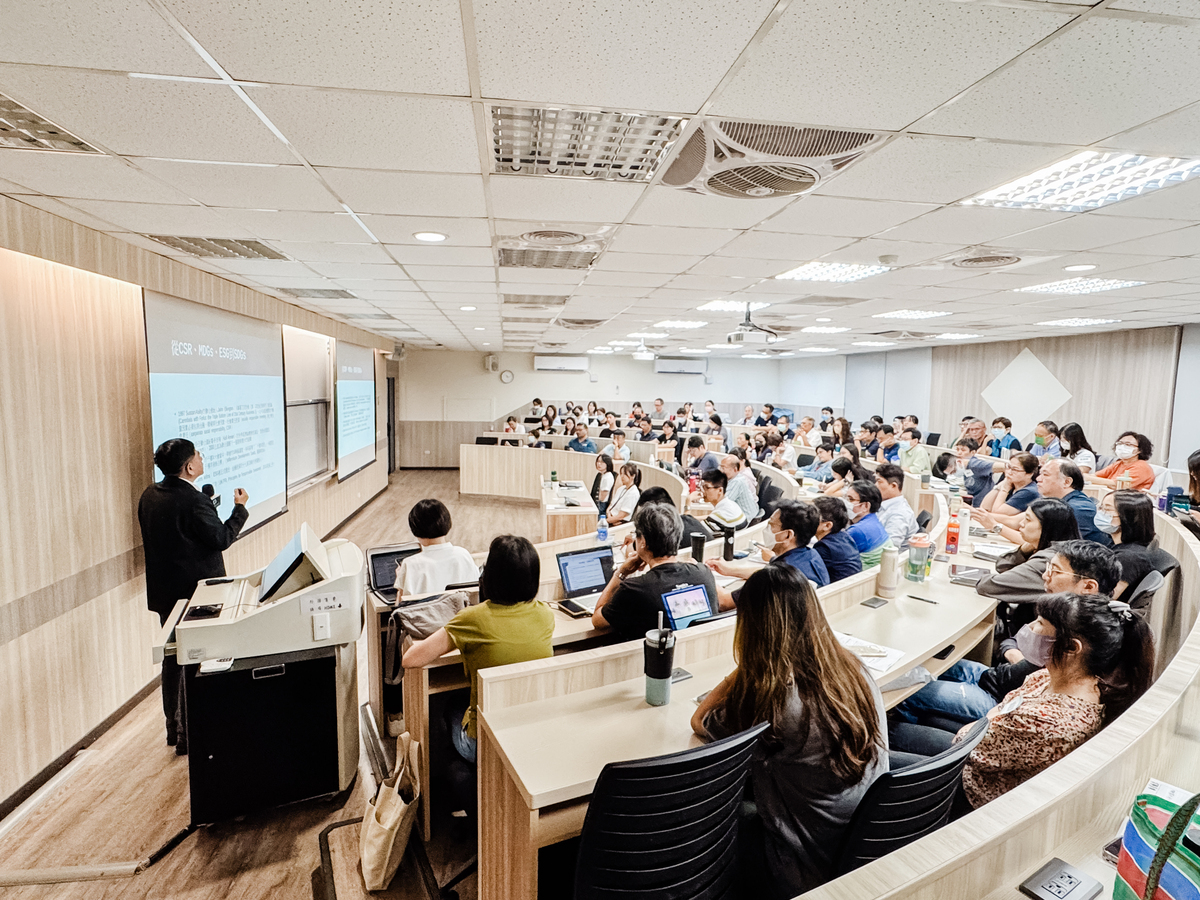
Professor Hung-Jeng Tsai, Director of the CCRS of NSYSU, opened the course series with a session on "Global Net-Zero Trends and Policy Thinking". He traced the evolution of international sustainable development, explaining its underlying values and core philosophies, so that the participants gained a deeper understanding of the global awareness of the tensions and necessary balance between social, economic, and environmental development. He also outlined how this awareness has evolved, leading to the establishment of global net-zero emission targets and the formulation of carbon reduction pathways.
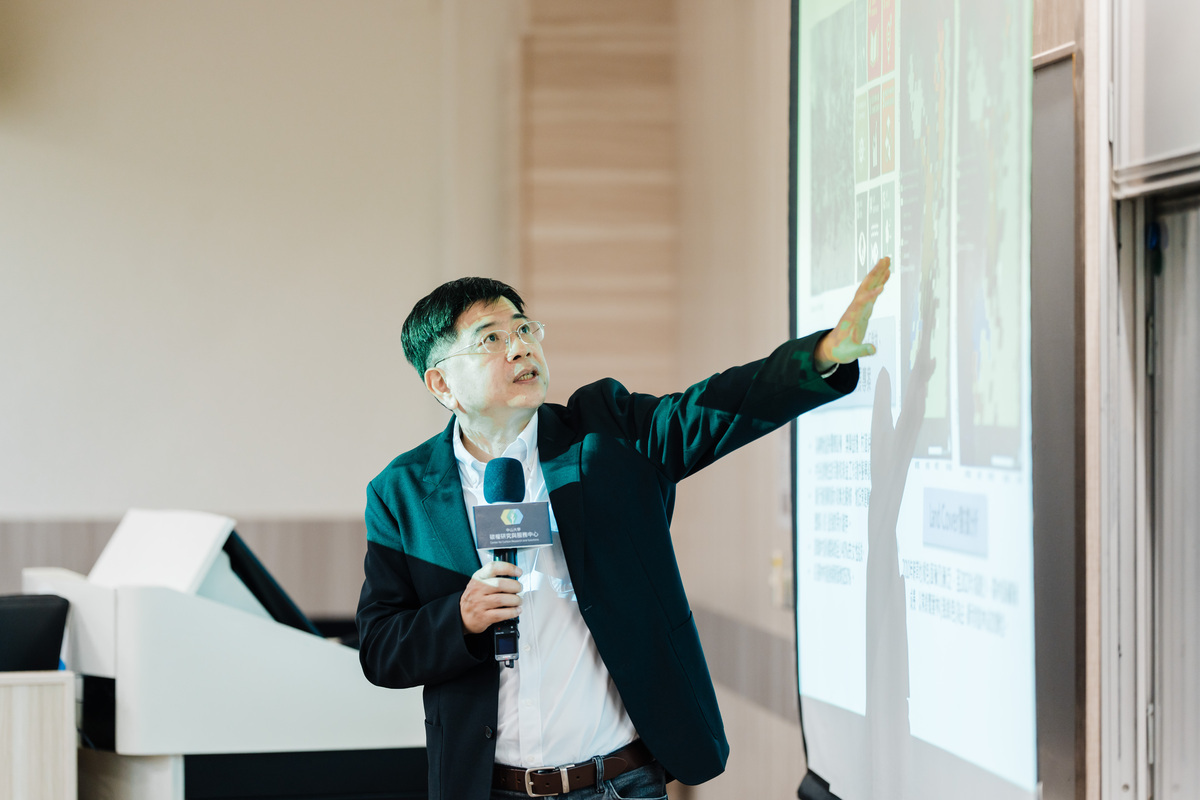
Professor Hung-Jeng Tsai, Director of the CCRS of NSYSU, opened the "Introduction to Net-Zero Carbon Planning and Management" course series with a session on "Global Net-Zero Trends and Policy Thinking".
To manage domestic greenhouse gas emissions, the EU launched a mandatory carbon pricing policy in 2005. Recently, it has begun to implement the "Carbon Border Adjustment Mechanism" (CBAM) to prevent carbon leakage in industries. This initiative has spurred other parts of the world to actively develop their own carbon pricing systems in response. Chien-Yuan Sher, the Team Leader of the CCRS of NSYSU and an Associate Professor of the Department of Business Management, led a research team to compile and analyze the details of the EU CBAM as Taiwan faces its impact. Through this course, students will gain a clear understanding of the core concepts and background behind CBAM, and how the mechanism encourages industries to reduce greenhouse gas emissions and accelerate digital transformation under the "polluter pays" principle and the goal of effectively reducing carbon leakage.
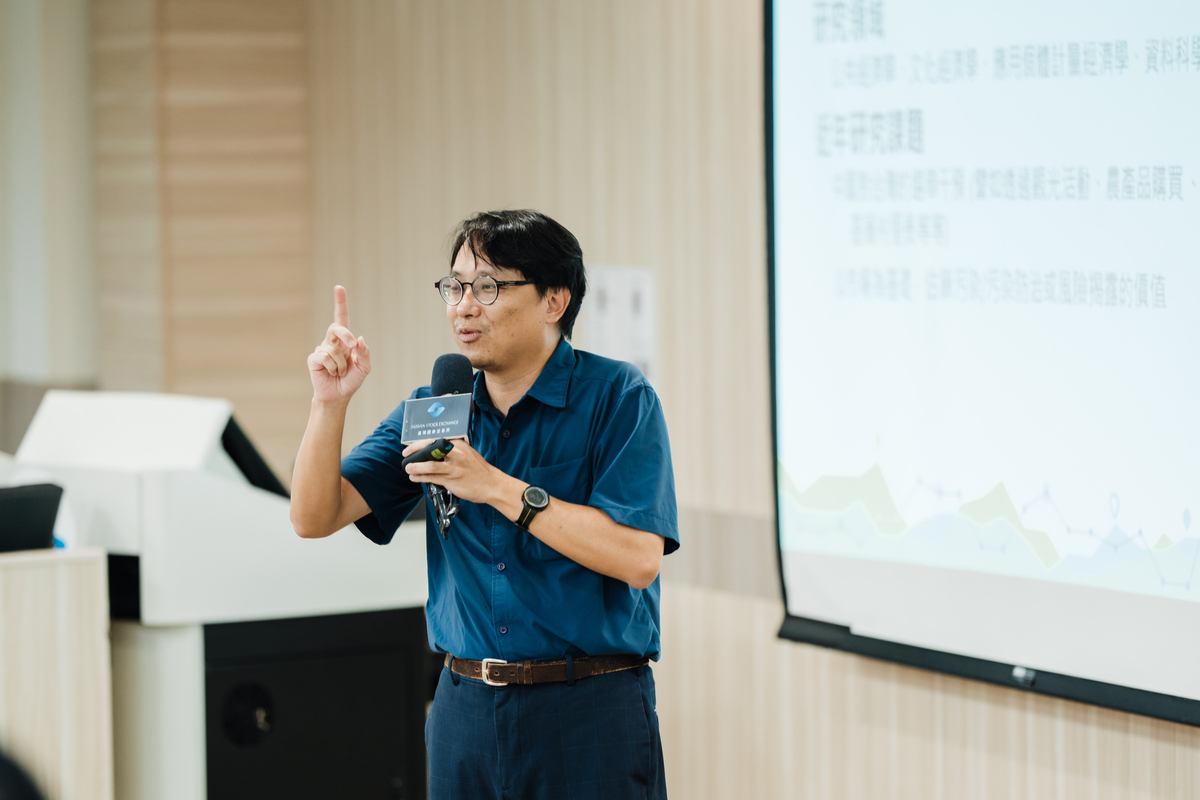
Chien-Yuan Sher, Team Leader of the CCRS of NSYSU guided the students to walk through the international carbon tax and trade policies.
As more climate-related policies and standards are established both domestically and internationally, corporations are required to respond and disclose their sustainability practices in accordance with relevant guidelines and frameworks, including setting carbon reduction targets, strategies, and management approaches. Edison Wang, Guest Speaker for College of Management of NSYSU, who also serves as an industry expert, pointed out that in response to the Financial Supervisory Commission's push for listed companies to disclose assessments of climate-related risks and opportunities, enterprises are gradually planning and establishing dedicated units to assist with climate governance. Furthermore, international evaluations of carbon governance information disclosures have become one of the key indicators affecting corporate competitiveness.
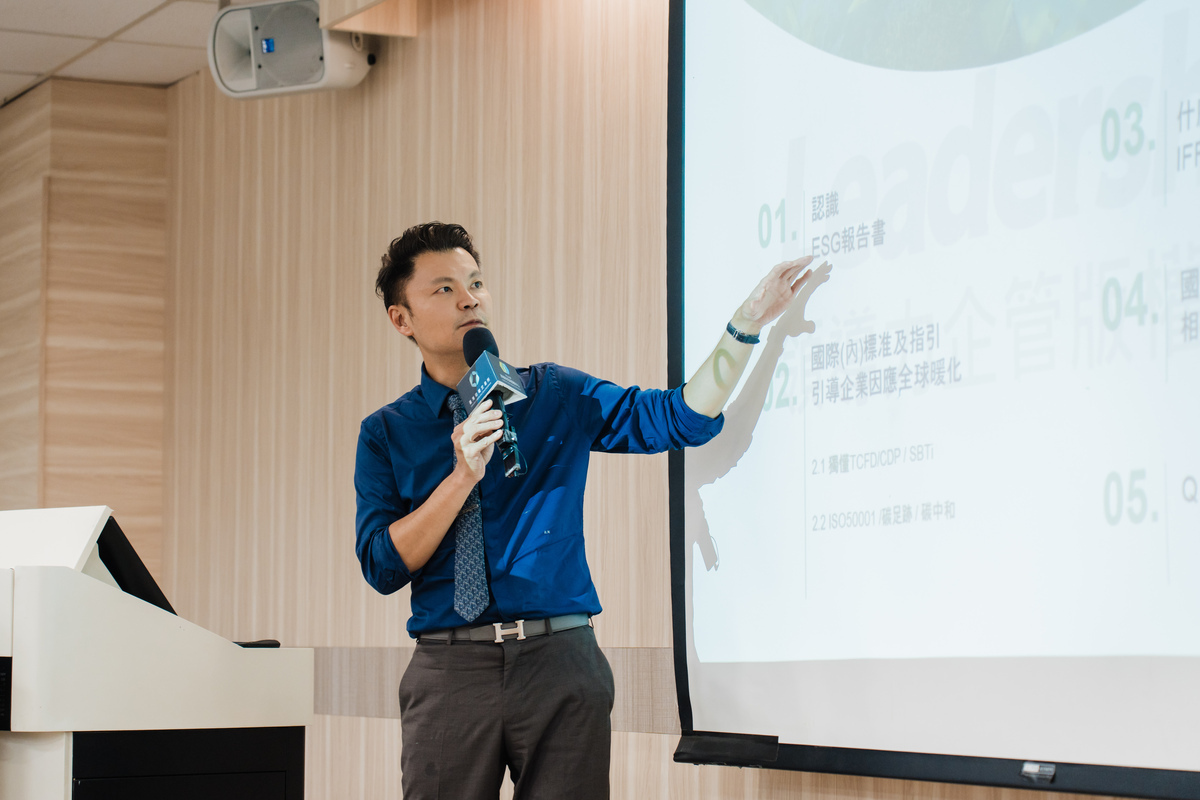
Edison Wang, Guest Speaker for College of Management of NSYSU, sharing important information on international climate advocacy.
According to national statistics, Taiwan is expected to face a shortage of 80,000 green-collar workers by 2028. Climate and sustainable management will become an unavoidable challenge for industries. Developing practical carbon management skills and building net-zero literacy will be key competencies for future green talent. The National Development Council proposed a four-year talent training plan this year, initially focusing on two major areas: net-zero green talent and digital AI, and assisting in integrating skilled individuals into industry. In addition, the Ministry of Economic Affairs held the first-ever certification exam for entry-level “Net-Zero Carbon Planning Managers,” introducing a national certification for net-zero professionals. The CCRS of NSYSU is committed to supporting enterprises in navigating the challenges of net-zero transition, and will continue to provide carbon consulting and educational training, to assist transforming climate challenges into opportunities to drive sustainable governance in practice.
For more course information, please visit: https://www.ccrs.org.tw/class-detail.php?id=15.
🔗Article Source:NSYSU NEWS