Net-Zero in Action, NSYSU Teachers and Students Learning From Blue Carbon Development in Japan
“Blue carbon” provided for ocean carbon sinks and “carbon neutrality” opportunities offer vast possibilities for development and application, and also drive governments, industries, and academic institutions around the world to actively engage in blue carbon restoration initiatives. Professor Jui-Kun Kuo and Assistant Professor Sang-Ju Yu of the Institution of Public Affairs Management at National Sun Yat-sen University (NSYSU) led a group of students under the university’s Higher Education Project called “Corporate Sustainability and Local Revitalization”. They traveled to Japan to learn from advanced practices by visiting organizations such as "Circular Yokohama", which promotes net-zero initiatives and seaweed aquaculture R&D, and “Sachiumi Hero” at Port of Kanazawa. The learning group also visited the Urban Strategy Division of the Yokosuka City Office and held discussions with the mayor and council chairman of Tsunan Town in Niigata Prefecture to gain insights into the decarbonization plans of local sectors in Japan, and how forest restoration is leveraged to obtain carbon credits in support of local agriculture. Through the interaction with the local governments and enterprises, the participating students and teachers acquired firsthand understanding of how Japan’s public and private sectors are working together to build ecosystems for natural carbon sinks and jointly strive toward the goal of net-zero carbon emissions by 2050.
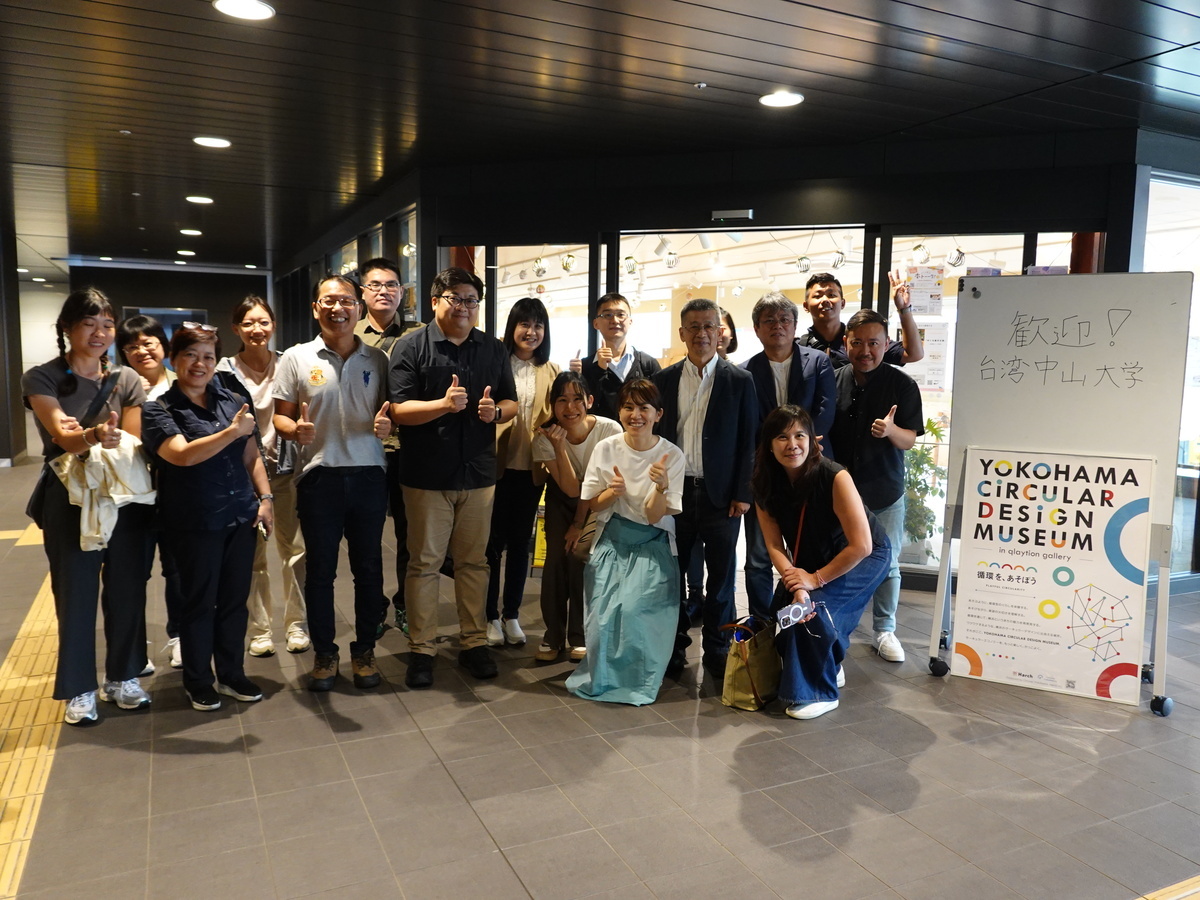
The learning group visited Harch Co. Ltd., an enterprise under Circular Yokohama located in Yokohama City, to engage in insight exchange on net-zero carbon strategies. A representative from Circular Yokohama pointed out that Yokohama has been designated as one of Japan’s national decarbonization leading regions, and has actively promoted unique initiatives such as power offset programs and tree planting activities. By organizing events like seminars, workshops, and exhibitions around the theme of circular economy, Circular Yokohama brings together experts from various fields, industry professionals, and the general public, all working collaboratively to foster sustainable literacy in net-zero carbon reduction and circular regeneration.
“Digital sustainability is a goal we are fully committed to,” said Ms. Matsuda, who leads initiatives of B Corporations and sustainable business practices. She noted that Circular Yokohama is a certified B Corporation™. They joined the effort by purchasing J-Credits to offset the company’s carbon emissions from electricity consumption, encouraging employees to work from home, offering subsidies for employees who use green electricity at home and properly manage food waste. Also, the company voluntarily assesses its annual carbon footprint every year, and collaborates with the Forestry Association of Nagano Prefecture to calculate the number of trees required for planting based on the company’s carbon emissions and national guidelines, aiming to minimize the environmental impact of their business operations.
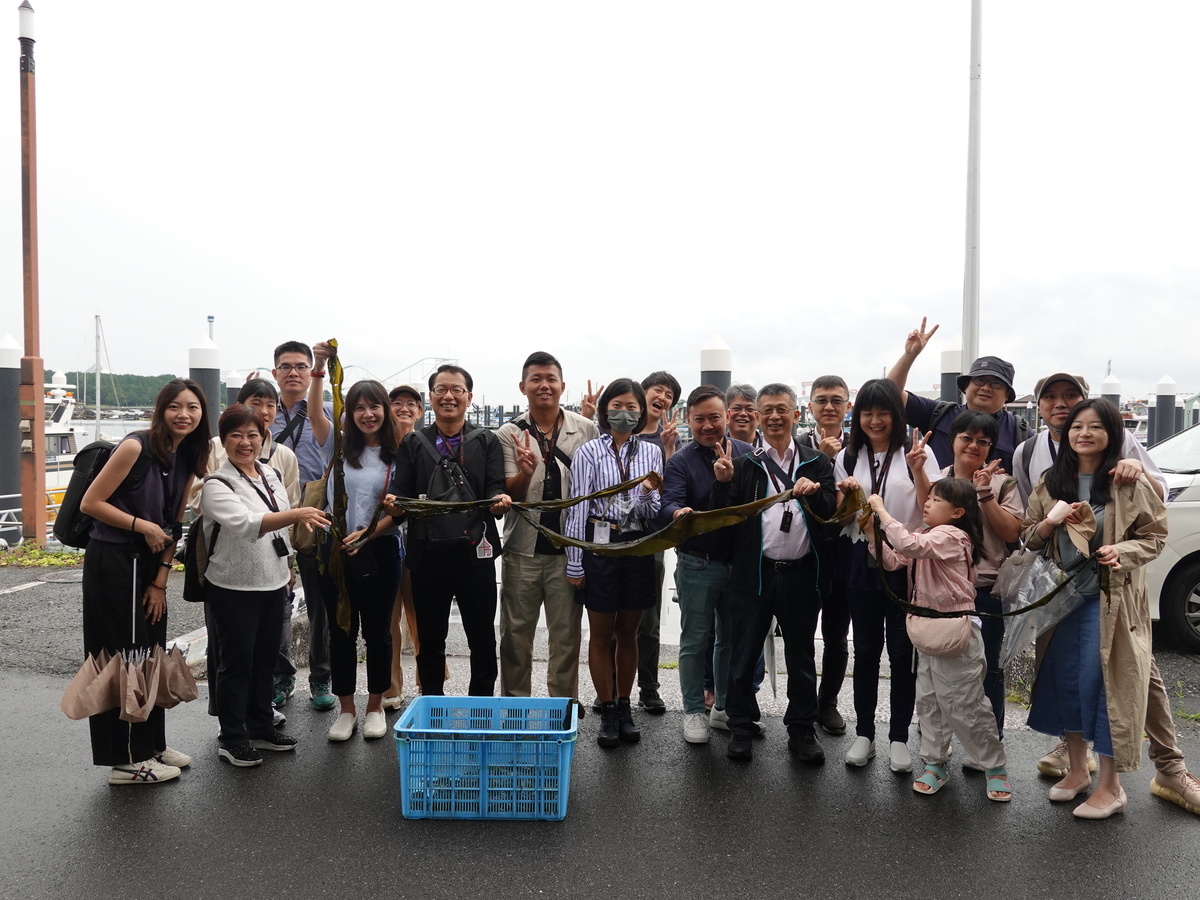
To understand how Japan promotes blue carbon restoration, the learning group visited “Sachiumi Hero” at Port of Kanazawa and the Yokosuka City Hall, conducting field studies on the significance of blue carbon ecosystems to the environment. Tatsunori Tomimoto, founder of Sachiumi Hero and known as the “Kombu Prince”, explained that climate change and rising sea temperatures are leading to ocean desertification. He observed that cultivating seaweed not only generates additional income for local fishermen, but also helps preserve marine ecosystems, lower seawater temperatures, and contribute to tackling climate change challenges. The potential then motivated Tomimoto to commit to the seaweed farming industry. Meanwhile, Mr. Tagami from Yokosuka City Hall’s Urban Strategy Division mentioned that Sagamihara Bay has suffered severe desertification, with rocky seaweed beds shrinking by 98.5% between 2006 and 2022. In response, the city began to plant artificial seagrass beds on rocky substrates about three years ago to restore the ecosystem.
The learning group also visited official institutions such as Yokosuka City Hall and Tsunan Town in Niigata Prefecture to gain deeper insight into how local governments, corporations, and fishery cooperatives can collaborate to advance net-zero transition. Mr. Tagami from the Urban Strategy Division of Yokosuka City Hall explained that the city actively partners with private enterprises to co-fund contracted personnel who assist in policy implementation. For seagrass restoration efforts, the city sets the strategic direction, while fishery associations and specialized companies are commissioned to carry out the work. During the visit, the students asked how to increase public participation and create economic incentives, Mr. Tagami introduced a green points app developed by the city, through which residents can earn reward points for performing eco-friendly actions, such as installing solar panels or recycling insulation materials, and the points can be used to redeem for goods. In addition, the city supports local communities to set up meetings for global warming countermeasures. This council collaborates to explore climate strategies, and its findings are incorporated into the city’s policy planning process.
The group also conducted an in-depth field study in Tsunan Town, Niigata Prefecture, a small community with a population of only 8,800. In addition to exploring the local regional revitalization efforts, they held a discussion on forest-based green carbon development with Mayor Haruka Kuwabara. Mayor Kuwabara explained that Tsunan is primarily an agricultural town, with around 70% of its forests privately owned. The abundant natural resources including high-quality water and snowy terrain are used for energy saving and carbon reduction. Moreover, Tsunan began developing forest carbon sinks a decade ago, with an average of absorbing 600 tons of CO₂ annually. Over the past 10 years, the town has sold a total of 5,810 tons of carbon credits. The income generated from green carbon sales is reinvested in supporting local agriculture, including upgrading farming technologies and subsidizing farmers’ purchases of smart equipment.
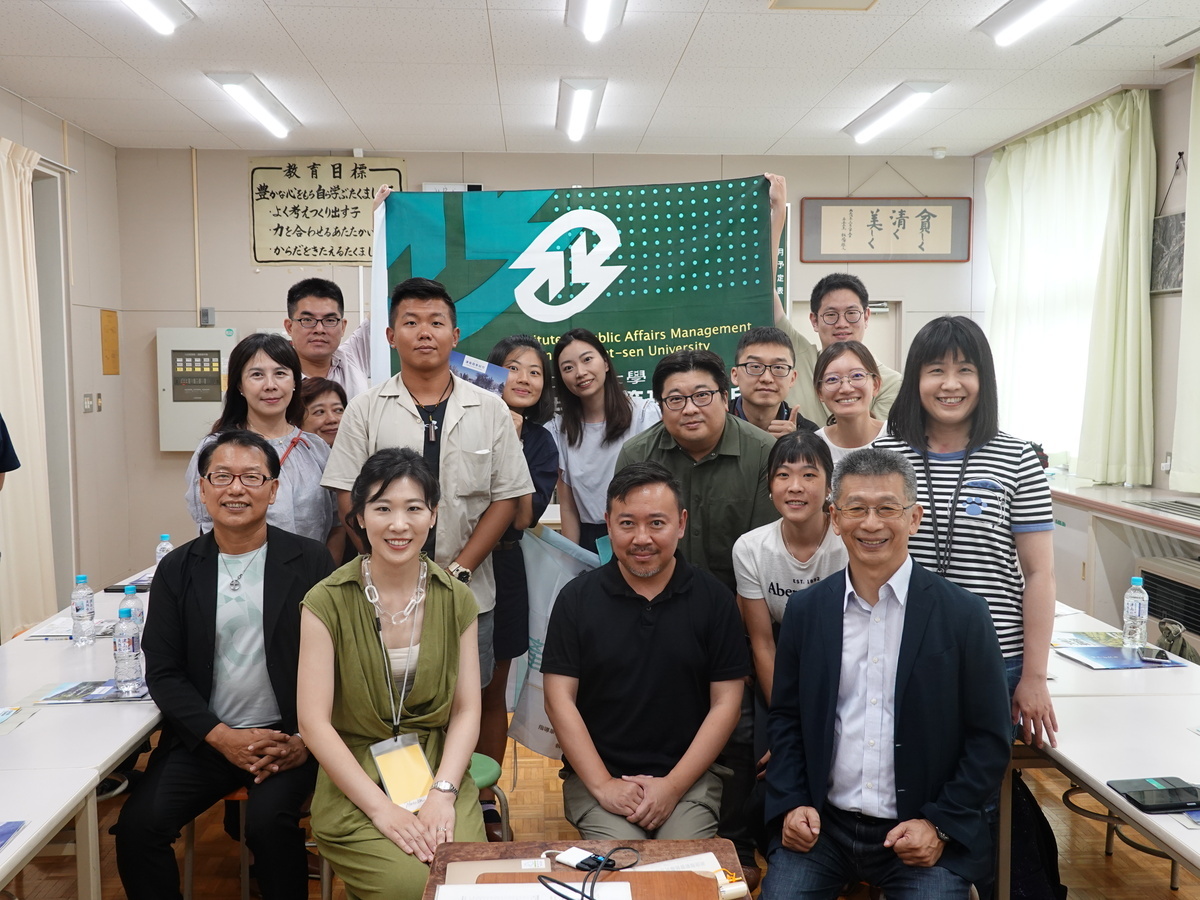
Sang-Ju Yu, one of the co-leaders of the learning group and Director of Operations at the Center for Carbon Research and Solution (CCRS) of NSYSU, believes that Japan’s experience shows blue carbon restoration can be regarded as an innovative form of “regenerative environmental fisheries” rather than traditional fisheries. This approach not only carries significant economic value but also offers a potential solution for conserving marine ecosystems and mitigating climate change. The Japanese government has also encouraged startups to engage in seaweed cultivation and research. However, Sang-Ju Yu emphasized that restoring ocean carbon sinks is not easy, it requires selecting the right methods and locations without disrupting the existing marine ecosystem.
Jui-Kun Kuo, Professor of Institution of Public Affairs Management at NSYSU, expressed great admiration for the Yokosuka City Office. As a grassroots local government serving a population of 330,000, it has skillfully leveraged limited resources and manpower to develop strategies and actions aligned with the national net-zero emissions goal. Its ability to integrate these efforts into policy implementation and everyday life is truly commendable and worth learning from. Sang-Ju Yu added that regardless of population size or geographic area, both Yokosuka and Tsunan Town have demonstrated a strong commitment to net-zero and carbon reduction initiatives. He was particularly inspired by Tsunan, a small agriculture-based town with vast forests, which has not used its rural condition and limitations as an excuse, instead, it has successfully developed smart agriculture and carbon trading systems based on its local advantages, and delivered outstanding results. Sang-Ju Yu expressed his excitement and looks forward to more cross-nation communication and collaborations in the future.
This study tour was both enriching and intensive. Through proactive learning and on-site visits, the participating students and professors explored key locations firsthand, gaining in-depth understanding of Japan's practices in blue carbon restoration and carbon reduction policies. The meeting with the officials also offered valuable opportunities to learn about international exchange protocols and etiquette, broadening the participating students' views and knowledge in the related fields, making the tour more valuable.
🔗Article Source:NSYSU NEWS