
Clean Energy Solutions, NSYSU CCRS Talks about Green Hydrogen Application
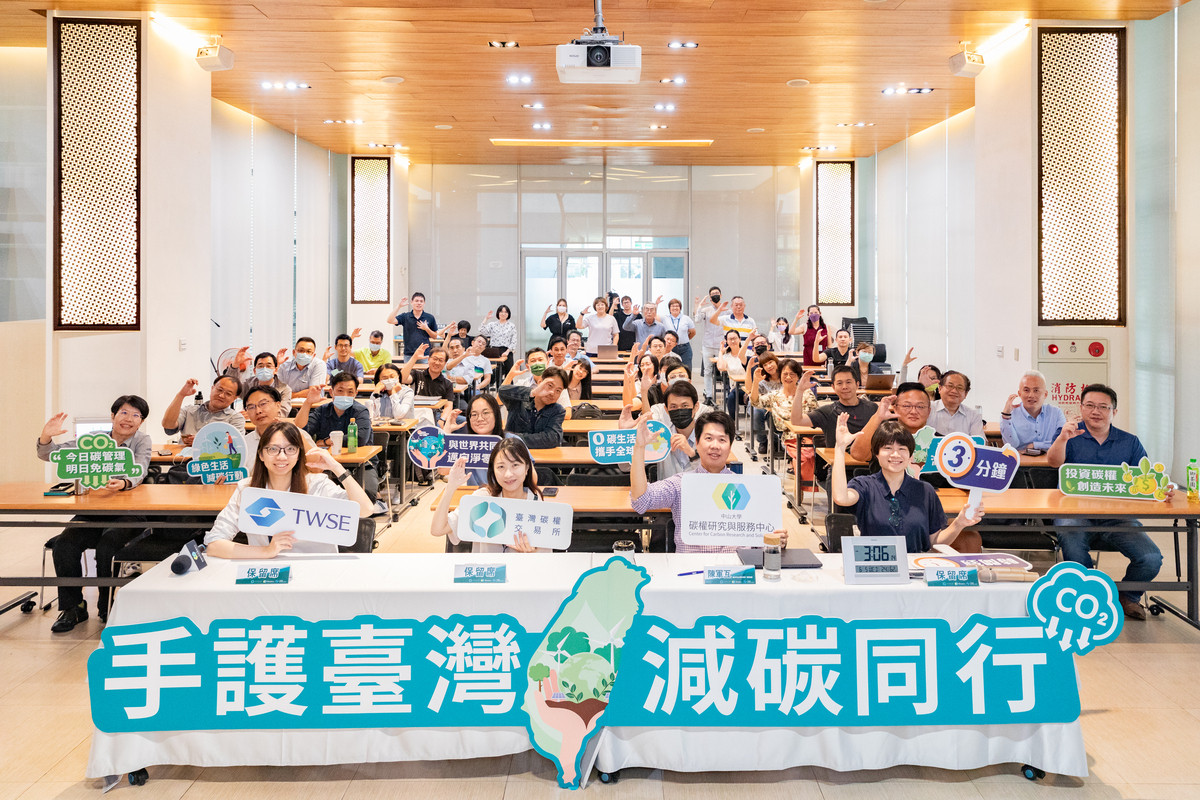
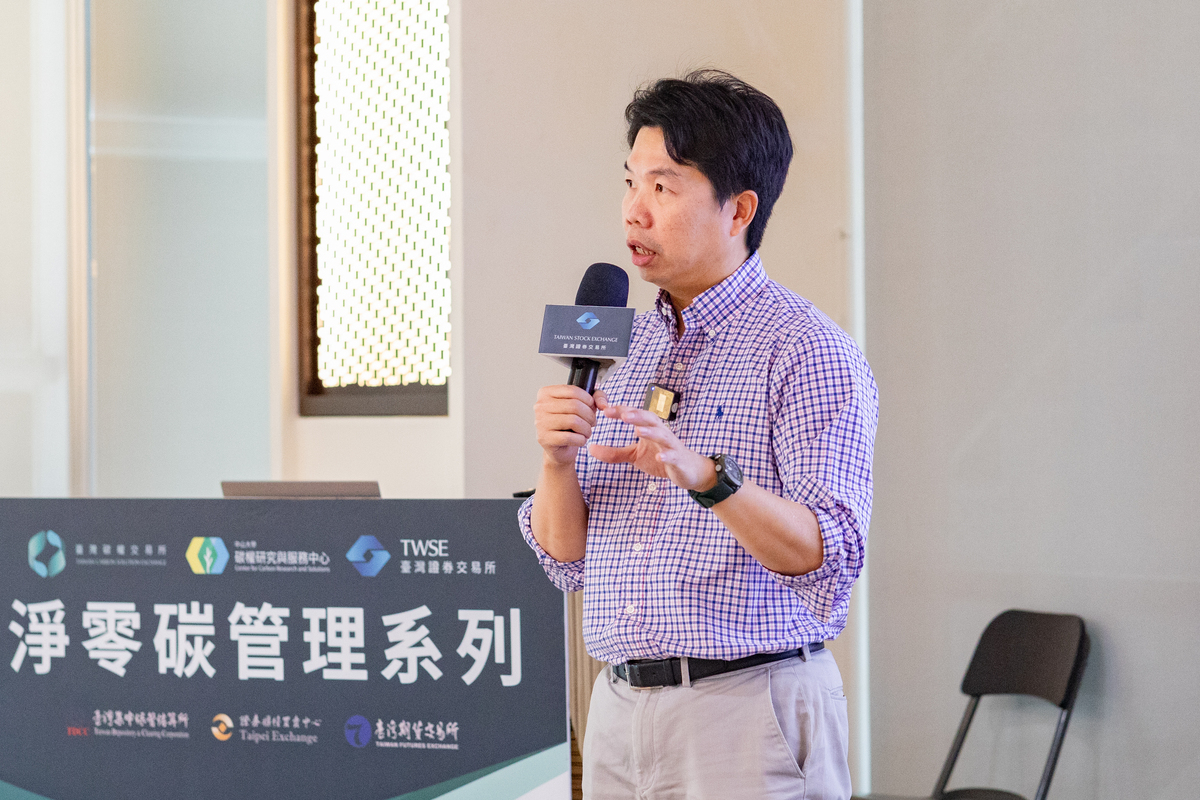
June 5th is World Environment Day. Adapting to climate change and mitigating global warming have become critical priorities as countries face the threats and impacts of climate crisis, driving the global pursuit of "net-zero emission" technology as a solution. To support enterprises in formulating net-zero emission strategies, following carbon inventories and broaden their perspectives on zero-carbon technologies and clean energy development, the Center for Carbon Research and Solution (CCRS) at National Sun Yat-sen University, TCX, and TWSE have jointly launched a series of courses for "Net-Zero Carbon Management". Focusing on future zero-carbon technologies, the program invited Distinguished Professor Chun-Hu Chen from NSYSU’s Department of Chemistry, an expert with extensive hands-on experience, to share insights on the current development of hydrogen energy and the challenges of its technological applications. The course will guide industry and academia in exploring the latest trends in green hydrogen and clean energy innovation.
Under the theme “Low-Cost Acquisition and Circular Utilization of Green Hydrogen", Professor Chun-Hu Chen began by highlighting the importance of hydrogen in the development of future clean energy. According to the International Energy Agency (IEA), global demand for clean hydrogen is estimated to exceed 390 million tons by 2050. Although hydrogen requires external energy input to generate electricity or heat, it offers the advantage of reducing reliance on fossil fuels. In addition, hydrogen is an inexhaustible resource, does not depend on imports, is not limited by environmental conditions, and produces no environmental pollution during generation. It also boasts high energy density and a strong safety profile. In terms of energy storage efficiency, hydrogen outperforms batteries with its longer endurance, smaller space occupancy, faster replenishment and longer storage life. Therefore, hydrogen energy plays a very critical role in Taiwan's path to net-zero emissions, and it is one of the twelve key strategies for energy transformation in Taiwan.
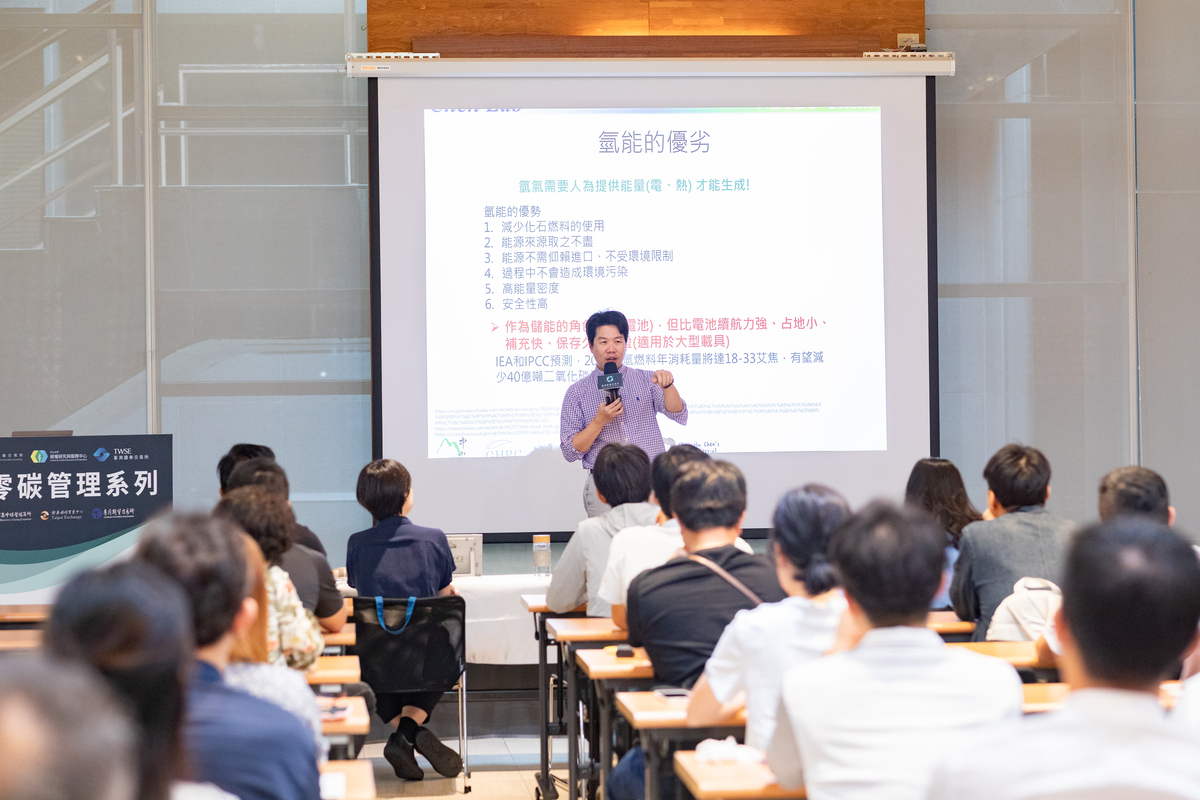
Chun-Hu Chen further pointed out that hydrogen can be categorized into four types: grey hydrogen, blue hydrogen, green hydrogen, and pink hydrogen, depending on the production technology method used. Among them, green hydrogen is the most effective in reducing carbon footprint. However, without green electricity, green hydrogen cannot be produced, making the development of renewable energy in Taiwan critical to advancing hydrogen energy. With the geographic advantage of being surrounded by the sea, Taiwan stands to benefit greatly from seawater electrolysis for green hydrogen production. This method offers several advantages: it does not compete with the public for freshwater resources, and through the use of fuel cells, it can convert hydrogen back into secondary freshwater, helping to alleviate Taiwan’s water shortage. Nonetheless, the current cost of production remains relatively high, primarily due to fluctuating costs of electricity, precious metal catalysts, and separation membranes. Professor Chen explained the common concerns and recent technological advancements of hydrogen energy and seawater-based hydrogen production, and he also affirmed the potential of replacing the carbon cycle as a clean energy solution. Such transition could not only help Taiwan achieve the 2050 net-zero emission target, but also pave the way for carbon dioxide to become a tradable "carbon currency", opening up a new era of zero-carbon hydrogen energy.
In the first half of 2024, the CCRS at NSYSU, together with the TCX and the TWSE, launched a series of "Net-Zero Carbon Management" courses. Moving forward, they will continue to respond to the global wave of sustainability by designing courses based on the needs of enterprises in Taiwan, supporting industries in achieving net-zero transformation, and equipping them with the latest and most specialized zero-carbon knowledge.
🔗Article Source:NSYSU NEWS