
Enhance Talent Training on Carbon Management, CCRS Offers International Standard Certification Courses
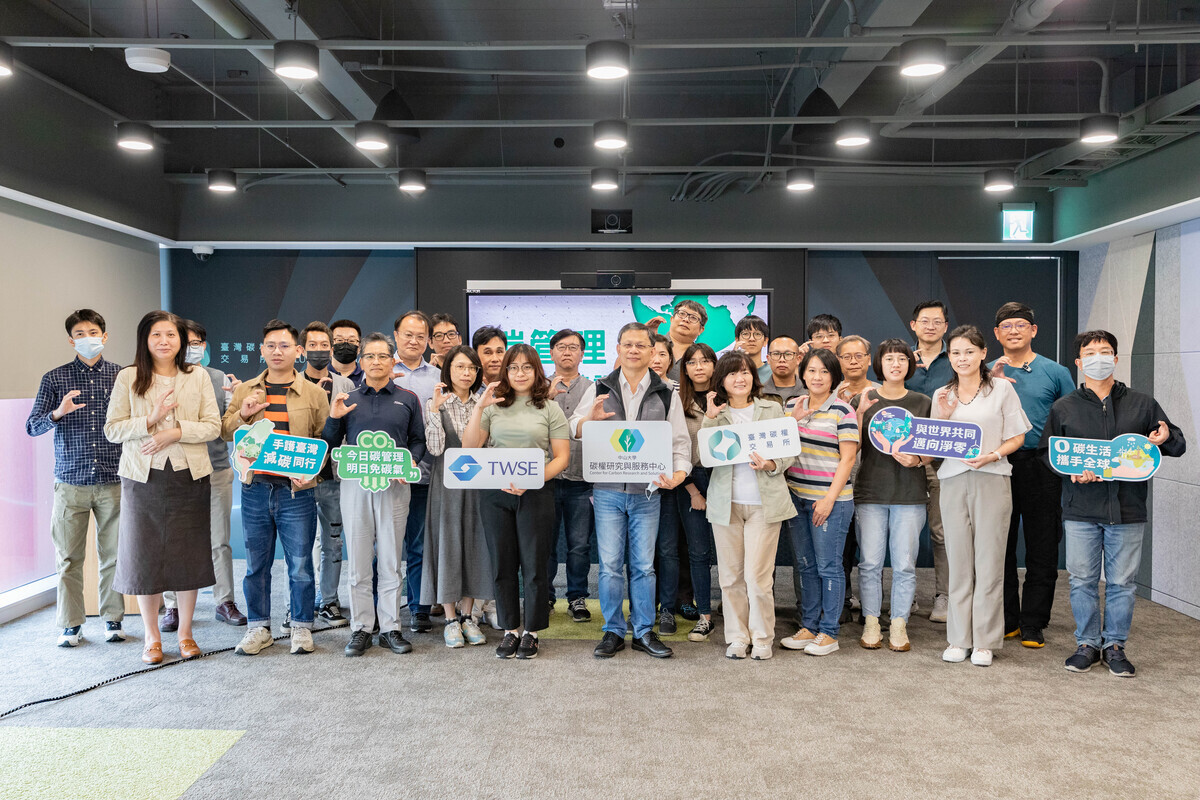
In response to the global trend and national policies toward achieving the net-zero emission target by 2050, the demand for carbon management professionals is increasing. The Center for Carbon Research and Solution (CCRS) of National Sun Yat-sen University, Taiwan Carbon Solution Exchange (TCX), Taiwan Stock Exchange (TWSE) and TUV NORD Taiwan, jointly launched a six-day comprehensive carbon management training program, including certification training courses for internal verifiers based on international standards ISO14064-1 and ISO14067.
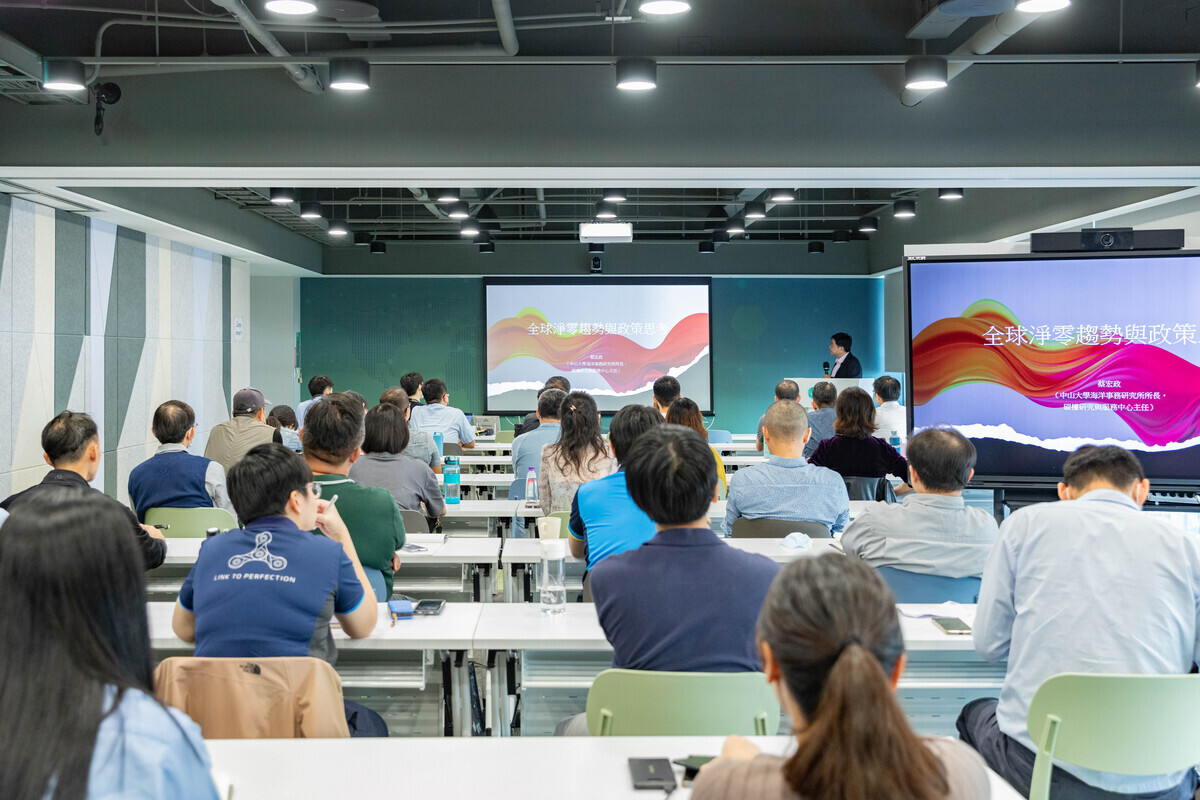
The course began with Professor Hung-Jeng Tsai, Director of the CCRS of NSYSU, analyzing global net-zero trends and policy considerations. He emphasized the possible impacts when global temperature exceeds 1.5°C, including food scarcity, collapse of fisheries, existential threats to island nations and a surge in climate refugees. Therefore, carbon reduction measures must be fast and large scale in order to achieve the 2050 net-zero target. To effectively reduce GHG emissions, various carbon pricing mechanisms have been adopted worldwide, including the EU implementing cap and trade system, Carbon Border Adjustment Mechanism (CBAM), global voluntary carbon markets, and Taiwan's upcoming carbon fee to be collected by the Ministry of Environment in 2025. These mechanisms are practical approaches to internalize external environmental costs.
Vincent Lin, Manager of Sustainability Development Department of CHIMEI Corporation, shared how green energy transition and carbon credit trading could be applied in the manufacturing industry. CHIMEI is the first petrochemical company in Taiwan to align with the international Science-Based Targets initiative (SBTi), and is moving toward net-zero through three major strategies: energy transition, production process optimization, and circular economy. One of the efforts CHIMEI has done is the 40-hectare green energy park, installing a capacity of 15 MW of green energy with annual power generation of 20 million kWh. The park preserves large areas of native tree species, which habitats 275 animal species and 324 plant species according to an ecological survey conducted in 2022, making it the most beautiful power plant in Taiwan, serving as a sanctuary for flora and fauna in the highly developed Chianan Plain region. In terms of carbon credit strategies, CHIMEI has obtained 100,000 tons of tradable carbon credits in 2018 by switching the steam boilers at the PC plant to low-carbon fuel. This project made CHIMEI the first private corporation in Taiwan to receive carbon credit certification from the Environmental Protection Administration. In 2022, CHIMEI participated in Singapore's global carbon trading platform "Climate Impact X" (CIX), purchasing 10,000 tons of carbon credits to offset emissions from employee commutes and business travels. Vincent Lin emphasized that the establishment of TCX is a huge support for Taiwanese enterprises to achieve carbon neutrality.
From global trends and policy considerations to practical applications, carbon management has become an essential capability for every enterprise working to reduce emissions. On the regulatory front, the Ministry of Environment and the Financial Supervisory Commission have begun to regulate major emitters and listed companies to disclose their GHG emissions. The ISO14064-1 standard for organizational GHG inventory is now a foundational tool for corporate decarbonization, like a health check before prescribing for treatments. ISO14067 addresses product carbon footprints, aligning with CBAM that entered its transitional phase in October 2023. Enterprises must disclose the full life-cycle GHG emissions of their products or services, life stages include raw materials, manufacturing, distribution, use, and disposal. These carbon content must be reported to the EU importers. In this global carbon reduction trend, Taiwan is a vital player in international supply chains. Taiwanese companies should start conducting carbon inventory and reduction early, to have a stronger competitive stand in the global market.
This course series also invited Meng-Yun Kuo from the Climate Change Administration of the Ministry of Environment, to explain the regulations on GHG emission inventory registration and verification management. She provided a detailed overview of the recent regulatory amendments, including applicable entities, administrative procedure and timelines for carbon inventory registration and verification. Kuo also introduced operational practices of Enterprise Greenhouse Gas Emissions Information Platform, aligning regulatory compliance and platform utilization. The CCRS of NSYSU is dedicated to promoting academic-industry collaboration through programs and forums on topics such as GHG, carbon credits, carbon footprints, and carbon neutrality. Next year, CCRS will continue to work with TCX and TWSE, and offer a series of international standard certification programs, aiming to cultivate professional carbon management talents and enhance the global competitiveness of Taiwanese enterprises.