[Seminar Highlights] How should Taiwanese High Carbon Emission Industries React to CBAM?
The EU is actively advancing the implementation of the Carbon Border Adjustment Mechanism (CBAM), but are Taiwan’s high-emission industries relying heavily on export trade ready for it? On January 17, 2025, the Taiwan Carbon Solution Exchange (TCX), the Center for Carbon Research and Solution (CCRS) at National Sun Yat-sen University (NSYSU), and the Taiwan Stock Exchange (TWSE) jointly hosted the "2025 Taiwan CBAM Policy Seminar". The event brought together representatives from industry, government, and academia to exchange insights and suggestions.
In the session focused on industry representatives, speakers included Yeh Yu-chun, Deputy General Manager and Chief Sustainability Officer of Taiwan Cement Corporation; Chih-Wei Chang, Team Leader of the Environment Protection Department of China Steel Corporation (CSC); and Jang-Hwa Leu, Secretary General of the Chinese National Federation of Industries. They shared the actions and perspectives of their representing enterprises in response to CBAM.
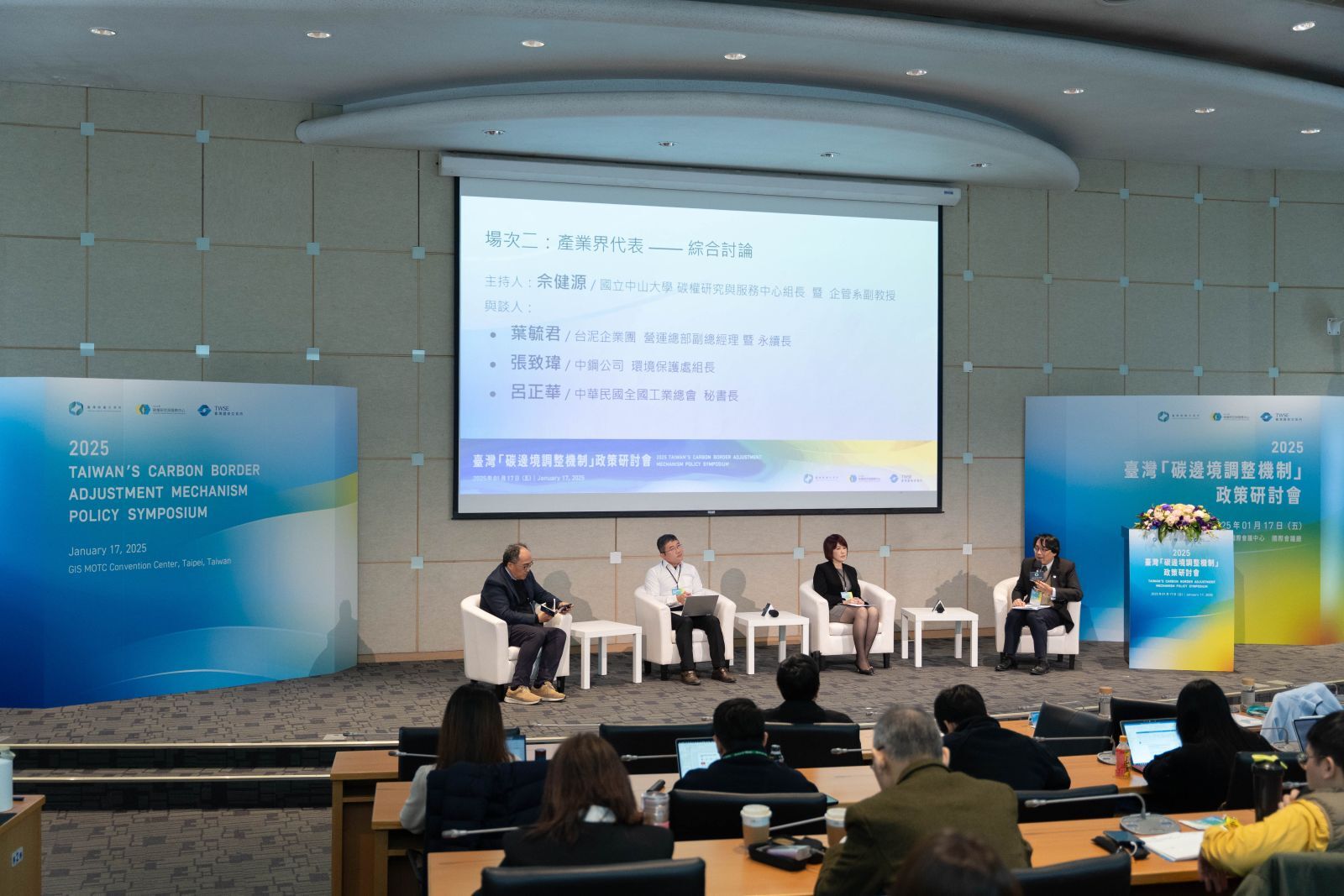
(from left) Jang-Hwa Leu, Secretary General of the Chinese National Federation of Industries; Chih-Wei Chang, Team Leader of the Environment Protection Department of China Steel Corporation; Yu-Jun Yeh, Deputy General Manager and Chief Sustainability Officer of Taiwan Cement Corporation Group Holdings; Associate Professor Chien-Yuan Sher, Team Leader of the CCRS of NSYSU and the host of the seminar.
Yu-Jun Yeh: the urgency of building a fair environment for low-carbon transformation
Yu-Jun Yeh, Deputy General Manager and Chief Sustainability Officer of TCC, shared that although TCC is a traditional high-emission industry with 78 years of history, it has been closely following global trends. Over the past seven years, TCC has initiated a transformation that includes participating in the energy transition, developing low-carbon construction materials, promoting resource circulation, and deploying green energy. These efforts have led to an 11% reduction in carbon emissions. In 2024, TCC also released a corporate net-zero roadmap aligned with global targets, including goals for 2030 and 2050, strengthening its competitiveness in the era of carbon pricing. Taking a TCC's project in Cameroon, Africa as an example, TCC built the world’s first cement plant without a traditional kiln. Instead of using high-emission limestone, the plant uses calcined clay, combined with green energy generation, achieving up to a 40% reduction in carbon emissions.
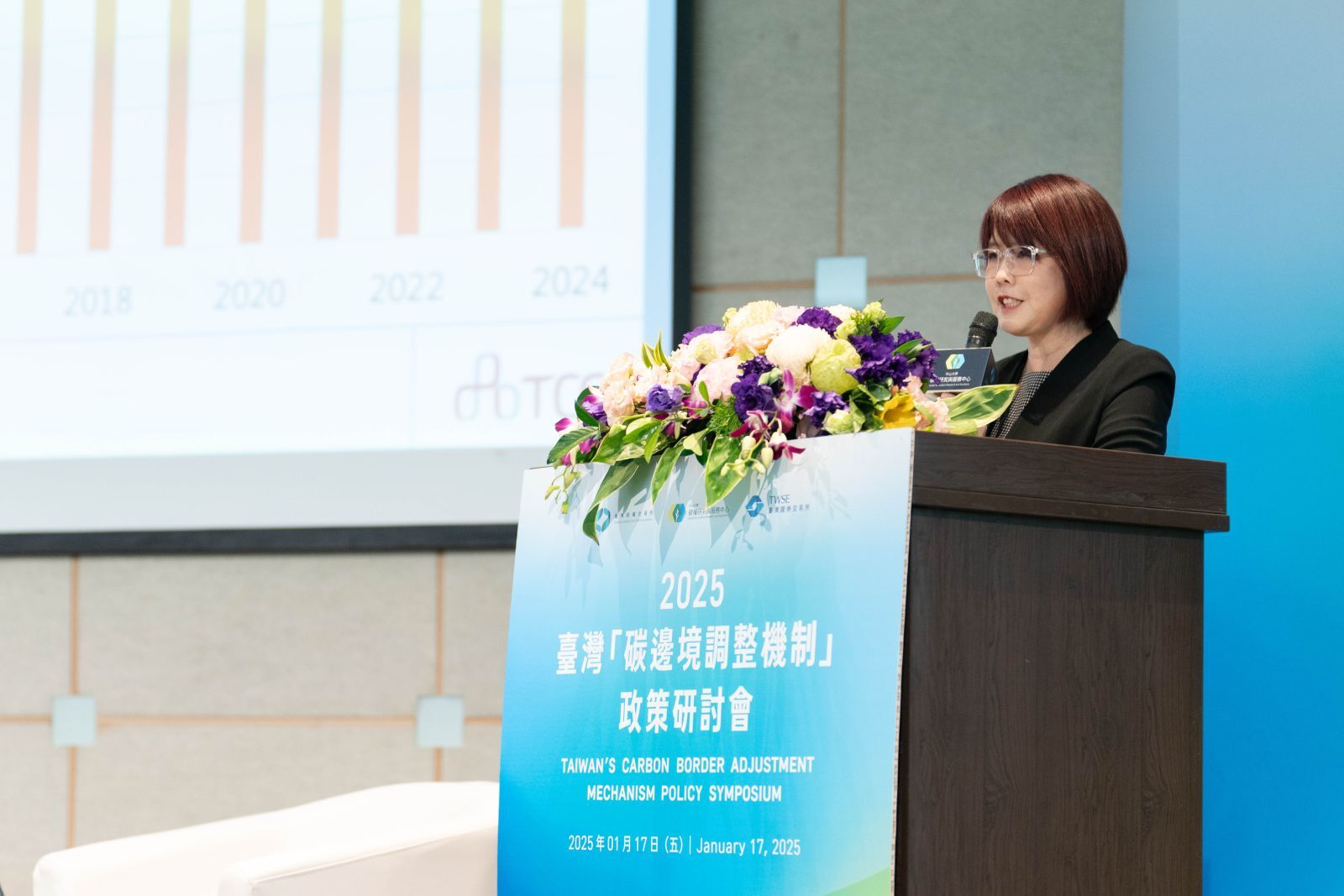
If Taiwan’s policy falls behind global movement, it may lead to carbon leakage and loss of trade competitiveness
However, the cement produced by TCC in Taiwan turns out to have the highest carbon emissions among all its global operations. Yu-Jun Yeh explained, “It’s not that we’re technically incapable, we’re simply constrained by many domestic regulations.” For example, the Portland Limestone Cement and Concrete formula introduced in 2014 can reduce emissions without compromising strength. Yet, Taiwan’s public construction specification Chapter 03050 restricts the use of supplementary materials, stating that only one of either slag or fly ash can be added. This regulation runs a different direction set by the United Nations in 2024 which advocates for the expanded use of limestone cement worldwide to achieve significant emission reductions.
Furthermore, imported cement in Taiwan costs around 2,800 to 3,000 NTD per ton, while domestically produced cement is priced the highest, 3,000 NTD per ton. About 20% of imported cement comes from Southeast Asia and is 500 to 700 NTD cheaper per ton. “If domestic producers continue to bear carbon costs while high-emission imported products are exempt, by 2030, the price gap between imported and locally produced cement could reach 2,000 NTD per ton.” Yu-Jun Yeh explained. Currently, when Taiwan exports cement to Southeast Asia, tariffs range from 25% to 32%, but cement imported from Southeast Asia to Taiwan bears no tariffs, which is clearly unfair. Yu-Jun Yeh emphasized, “TCC fully supports carbon pricing mechanisms. We believe that corporations must work hard to reduce emissions to maintain both carbon competitiveness and profitability. However, the government must also ensure a fairer competitive environment through more thoughtful policy adjustments.”
In 2024, TCC submitted three draft proposals related to the Taiwan version of CBAM to government sectors for reference, hoping to start CBAM by requiring imported products with high carbon emissions to declare emission data. This approach serves two purposes: first, to prevent carbon leakage and use the system to influence overseas supply chain countries to prioritize carbon reduction; second, to ensure that both domestic and foreign products bear the same carbon cost, reinforcing fair competition. “I firmly believe that the regulation and disclosure of carbon emissions from imported high-carbon products will be an extremely critical step,” said Yu-Jun Yeh.
Chih-Wei Chang: how CSC reacts to CBAM, and implementation of low-carbon transition
As one of the high-emission industries in Taiwan, CSC produces over 50% of the country’s domestic steel. In recent years, in response to the CBAM trend, the corporation has begun enhancing strategies focused on high-value, advanced steel production and the development of the green energy sector.
In 2021, CSC established short, medium and long-term carbon reduction strategies and a carbon neutrality roadmap. Chih-Wei Chang, Team Leader of the Environment Protection Department of CSC, said, “we adopted practices from steelmakers around the world, including using green hydrogen to improve energy efficiency, recycling and reusing scrap steel, upgrading to commercially available technologies, and optimizing operations.” These efforts have helped drive low-carbon development and innovation across the entire industrial supply chain, while also streamlining production processes, resulting in significant emission reductions. “In 2023, we completed a total of 223 carbon reduction projects, reducing 358,000 metric tons of emissions, which is equivalent to approximately 1.6% of CSC emissions in 2018.”
One of the keys to reduce carbon emissions is to calculate emissions accurately. Chih-Wei Chang stated, “Since we need to measure the carbon intensity of our products, we use our existing systematic inventory processes to determine the carbon emissions per unit for each product. We must prepare thoroughly to ensure the information we provide to customers is transparent and complete.” CSC’s calculations cover the entire production process, from ironmaking and steelmaking to hot and cold rolling and surface treatment of steel products. These processes are integrated through a connected system, compiling into a final data used for CBAM reporting. “Our inventory process is very detailed,” Chih-Wei Chang added. “In Q4 of 2024, we submitted data for a total of 42 different products.”
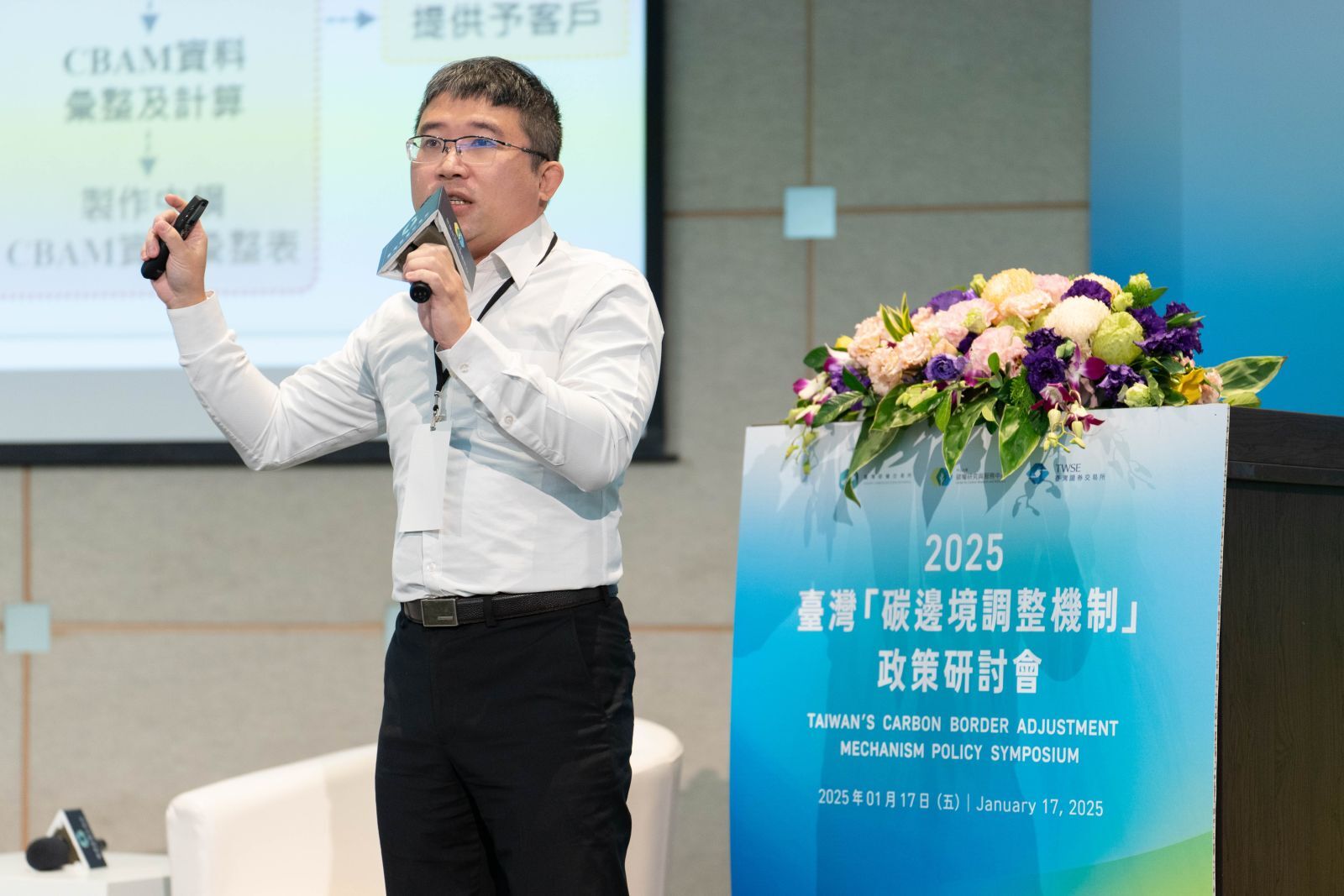
The benefits of conducting carbon emission calculations proactively
Conducting detailed carbon emission calculations for each product is a huge effort, but the benefits that follow should not be overlooked. Chih-Wei Chang explained, “When we calculate the carbon emissions per unit of processing, we gain the opportunity to identify the most cost-effective production pathways through the concept of carbon footprint, enabling carbon source management and planning.”
As an upstream player in the entire steel product supply chain, CSC continues to optimize the carbon calculation requirements for CBAM, “ensuring that the documentation provided to customers is verifiable and compliant with future declaration needs.” This approach helps reduce the overall impact of CBAM and carbon fees on CSC.
Jang-Hwa Leu: Let all industries reduce carbon emissions together
Jang-Hwa Leu, Secretary General of the Chinese National Federation of Industries (CNFI), spoke on behalf of various unions in Taiwan, "All industries are working very hard for Taiwan and are deeply concerned about the issue of carbon.” The CNFI is composed of 159 industrial unions, and it has gathered over 100 companies to join efforts in pursuing net-zero transformation by the end of 2024.
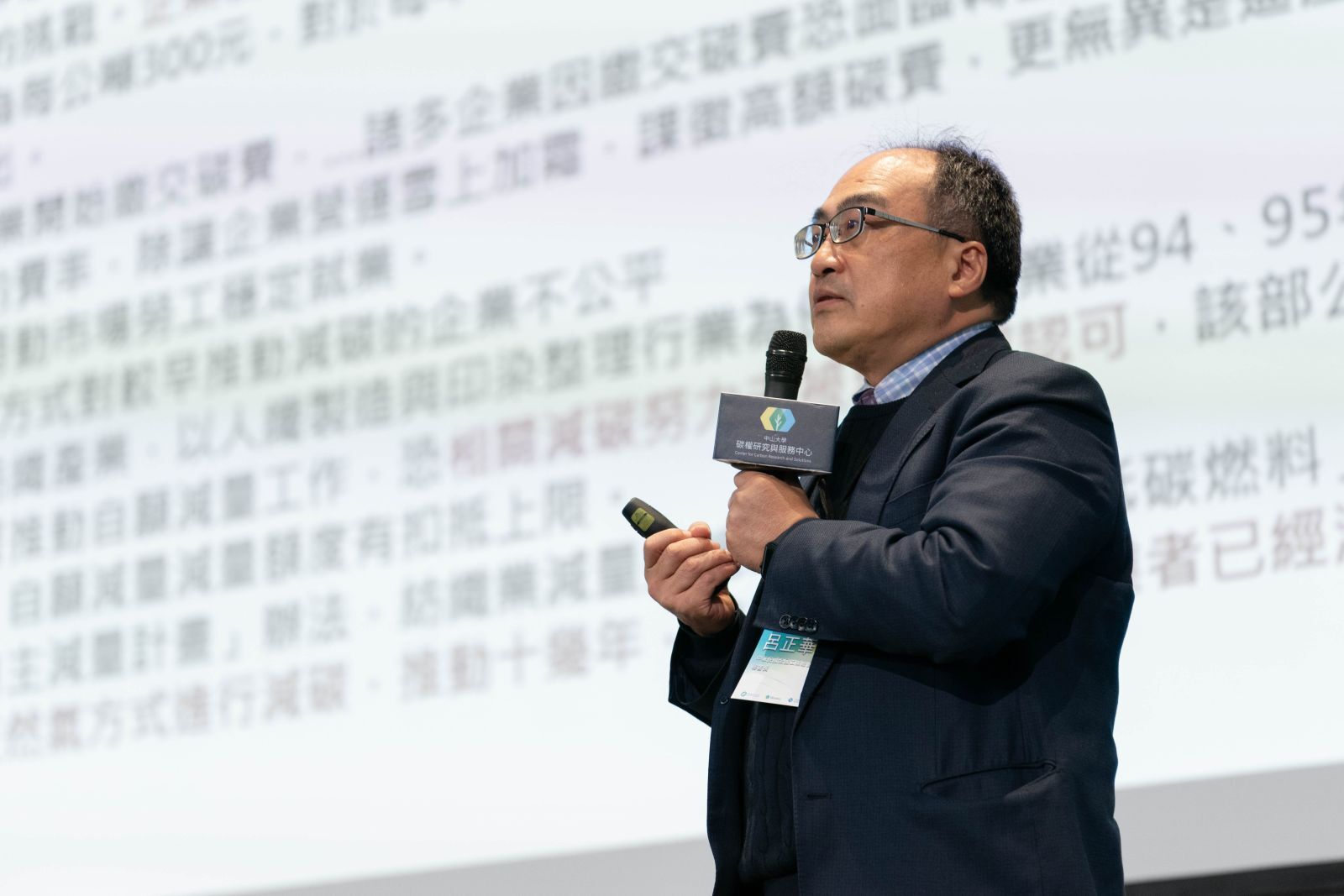
Jang-Hwa Leu pointed out that industries are facing a dual burden of high tariffs and carbon fees. He expressed that Taiwan’s carbon fees are too high, posing a heavy long-term burden on industries and hindering the low-carbon transition practices. Jang-Hwa Leu suggested setting a cap on carbon emissions, gradually lowering it over time, and helping enterprises under the cap-and-trade scheme obtain free allowances.
He also emphasized that the carbon fee system must take into account fair international competition and feasibility. It is essential to establish comprehensive supporting measures to reduce the impacts on corporation operations, to strike a balance between economic development and net-zero emissions. “We hope the government will give more consideration to the perspectives of industry when implementing these policies.”
Panel Discussion: Does Imposing carbon fees create pressure for competition? How to demand importing countries to conduct carbon inventory?
Chien-Yuan Sher, Team Leader of the CCRS at NSYSU, facilitated a Q&A and discussion session following the presentations by the three speakers. Many of the questions and concerns focused on the competition and fairness between Southeast Asian imports and Taiwanese products.
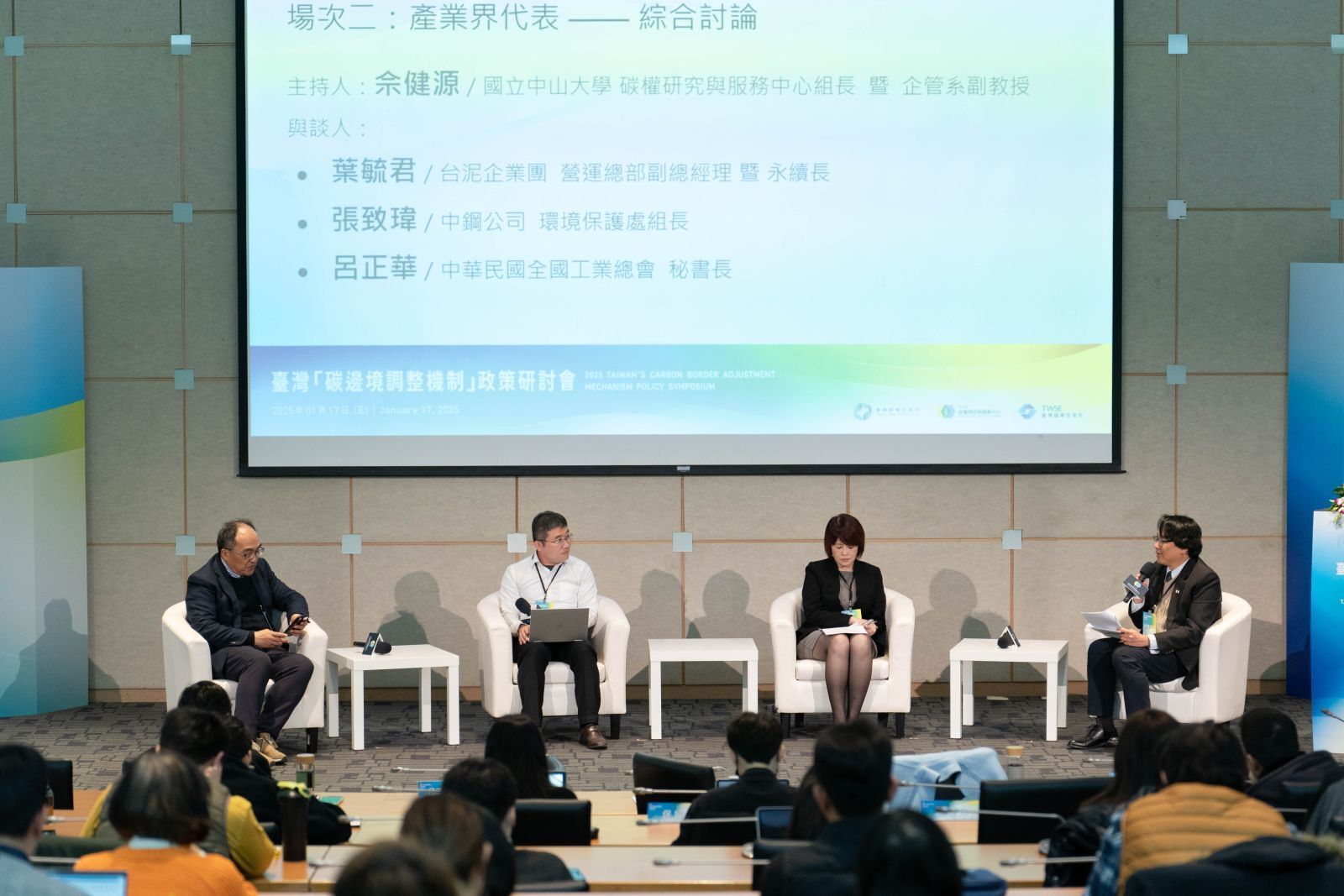
In response, Jang-Hwa Leu expressed concern that if imported cement is not subject to carbon fees or carbon taxes in its country of origin, it would be unfair to domestic industries and could lead to carbon leakage. He suggested requiring imported cement to provide third-party certified carbon emission reports and be subject to carbon fees, otherwise fees should be imposed based on internationally recognized average emission factors for cement.
Yu-Jun Yeh added, “Ultimately, we have to return to the core question: do we truly have the determination to reduce carbon emissions? The purpose of a carbon fee system is to drive domestic corporations to decarbonize. So if you make serious efforts to reduce emissions, you’ll gain a competitive advantage, rather than a heavy cost burden.”
She also emphasized, “We shouldn’t assume that all cement from Southeast Asia is high in carbon emissions, or constantly think that the region doesn’t take emission reduction seriously. In fact, since 2022, regulations have been announced requiring companies emitting more than 3,000 tons of CO₂e per year to begin carbon inventorying for 2024 emissions starting in 2025, and these inventories must be verified.”
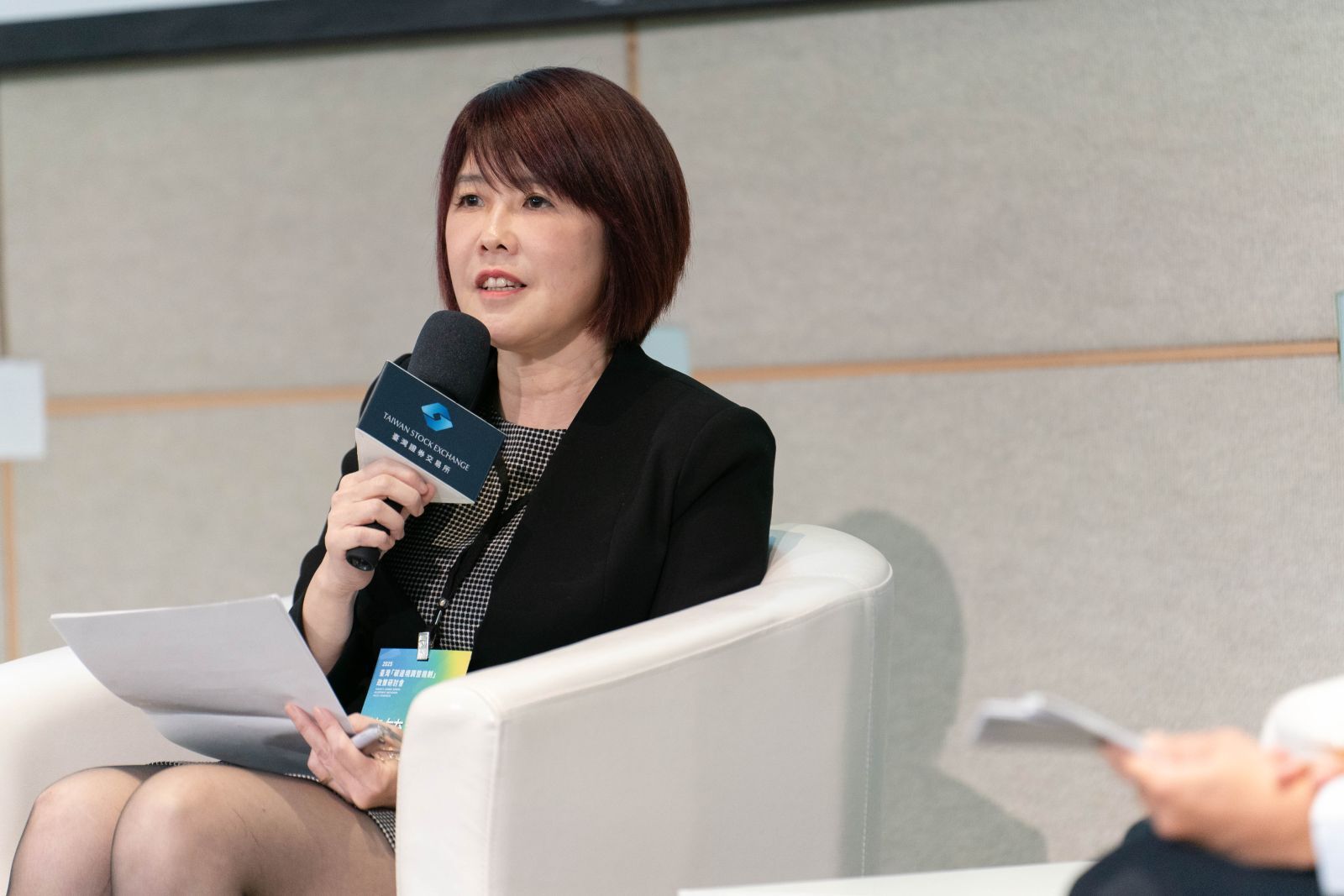
In fact, Article 31 of the Climate Change Response Act already includes a mechanism for collecting payments on imported products with high carbon emissions. However, the announced provisions have yet to be amended. Yu-Jun Yeh suggested enterprises that they should start with carbon emission declaration, “The Ministry of Economic Affairs is currently working hard to assist Taiwanese SMEs in responding to the EU CBAM, helping them learn what carbon inventory and verification mean. This has brought overseas supply chains into the conversation on sustainability. I believe leveraging this mechanism to promote sustainability is the true core of a Taiwan version of CBAM.”
Chien-Yuan Sher concluded this session of the seminar by highlighting that the key to a carbon fee system lies in whether the society truly cares. “In fact, manufacturers shouldn't be the only ones bearing the burden, buyers also have a responsibility. Things used to be cheap because no one was paying the true cost. Now, it’s time to pay what should be paid.” As for concerns about "green inflation", Chien-Yuan Sher noted that research by experts and scholars shows the impact is relatively minor. He emphasized that implementing carbon pricing policies "will benefit everyone, otherwise, in 50 years, humanity may no longer be able to live the way we do today."