
[2/21 Conference Minutes] Professor She Jianyuan: "Annual Observation Report on Voluntary Carbon Market: 2024"
On February 21, 2025, the Taiwan Carbon Trading Exchange, the Carbon Rights Research and Service Center of National Sun Yat-sen University, and the Taiwan Stock Exchange jointly hosted the "2025 Voluntary Carbon Market Observation and Trend Analysis Seminar", gathering representatives from various fields in Taiwan's academic and research community, industry, and government to share trend analysis and practical experiences of international voluntary carbon markets.
The seminar commenced with Associate Professor and Director of the Carbon Rights Research and Service Center at National Sun Yat-sen University, She Jianyuan, presenting the key research findings of the "2024 Voluntary Carbon Market Observation Report", marking the beginning of the seminar and providing an analysis of the current international and domestic carbon rights market, as well as observations on its future development.
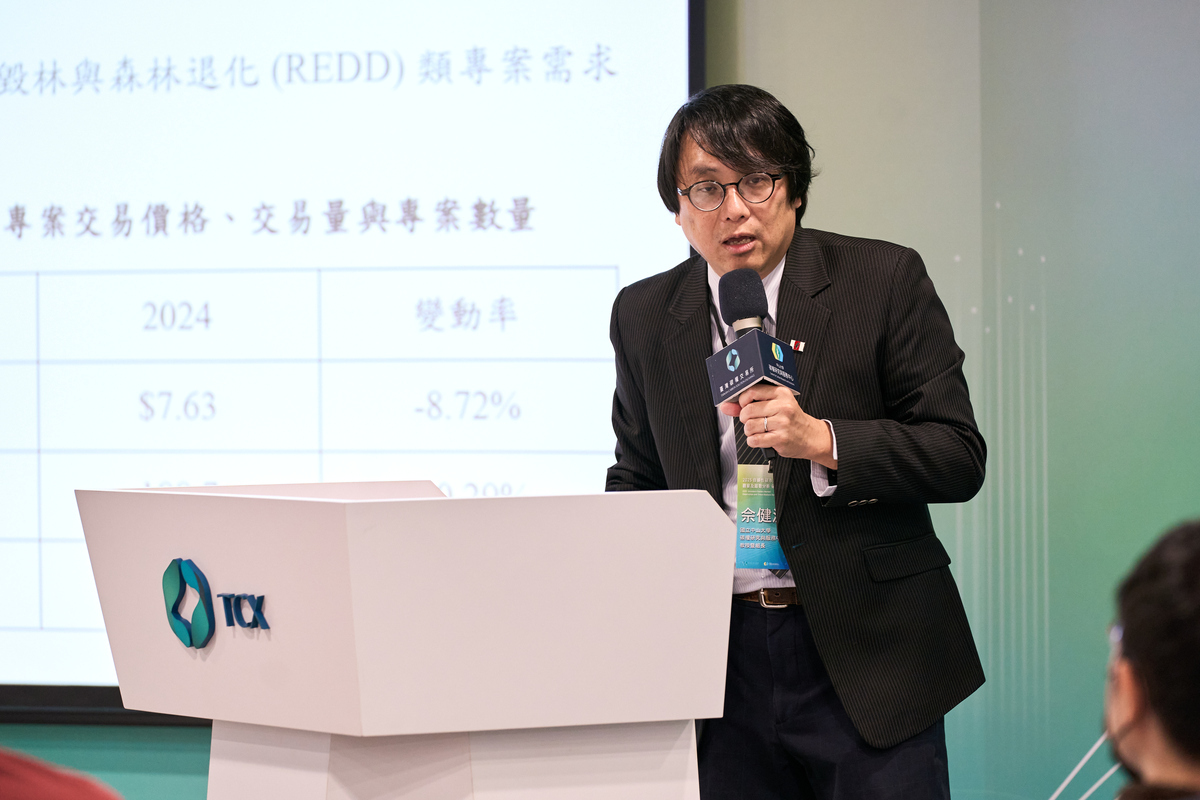
Professor She Jianyuan: "Annual Observation Report on Voluntary Carbon Markets: 2024"
This report observes the trends in the international voluntary carbon credit market, primarily based on data from the London Allied Offsets database, which covers nearly 90% of the world's carbon offset projects. In addition to analyzing the overall issuance and retirement of carbon credits in the international market, it further examines Taiwan's participation in the global market and presents a special report on categories with development potential in Taiwan.
She Jianyuan explained: "The 'issuance volume' refers to the 'transferable quota' obtained after verifying the reduction of greenhouse gas emissions. The 'cancellation volume' is the amount offset by using the quota for carbon neutrality." However, the international carbon credits market is highly opaque, making it difficult to obtain issuance prices. Allied Offsets, a database company, estimates the prices paid for that year based on the cancellation information for each year, so the overall average price in this report remains accurate.
According to the report, the international voluntary carbon market for 2023 and 2024 saw a situation of "reduced quantity and falling prices", with the demand for carbon credits shrinking, and the trading volume in 2024 even plummeting 40% compared to 2023. The main reason is that in 2023, an in-depth investigation by the UK Guardian, German Der Spiegel, and the "Source Materials" journalist team found that many carbon credits in the "Reducing Emissions from Deforestation and Forest Degradation" (REDD+) projects, which aim to reduce carbon emissions from deforestation and forest degradation in developing countries, were problematic. They boldly declared that 90% of rainforest carbon credits have no carbon reduction benefits. This investigation result prompted the carbon market organization ICVCM to establish an integrity committee, which implemented stricter reviews of carbon offset projects, resulting in a significant reduction in issuance and a 33% decline in cancellations.
The Current State of Participation of Taiwanese Buyers and Developers
According to observations, Taiwan is withdrawing from the international voluntary carbon market, with the number of retirements in 2023 and 2024 dropping significantly compared to 2022. However, database data shows that Taiwan has also seen the emergence of various types of companies that are increasingly interested in voluntary carbon credits in the international market.
However, She Jianyuan found that the overall issuance of Taiwan's carbon offset projects is on a downward trend. "In 2020 and 2021, the numbers were quite large, around 600,000 to 500,000, mainly due to wind power. But in 2022, it dropped significantly, and by 2023 and 2024, Taiwan had not listed any projects on the international carbon market, and there were no issuances." This indicates that Taiwan's participation in the international voluntary carbon market is decreasing.
However, Professor She Jianyuan believes that "although this market still has many problems such as information asymmetry, guiding corporate funds to invest in local carbon offset projects is still a direction worth expecting", because due to technical limitations, the industry's reduction of emissions to ultimately achieve carbon neutrality still relies on carbon offset quotas. Therefore, the channel for carbon offsetting is necessary.
To this end, Professor She Jianyuan and the research team reviewed the potential domestic voluntary reduction market in Taiwan and shared the research results of the biogas collection project in the following special topic.
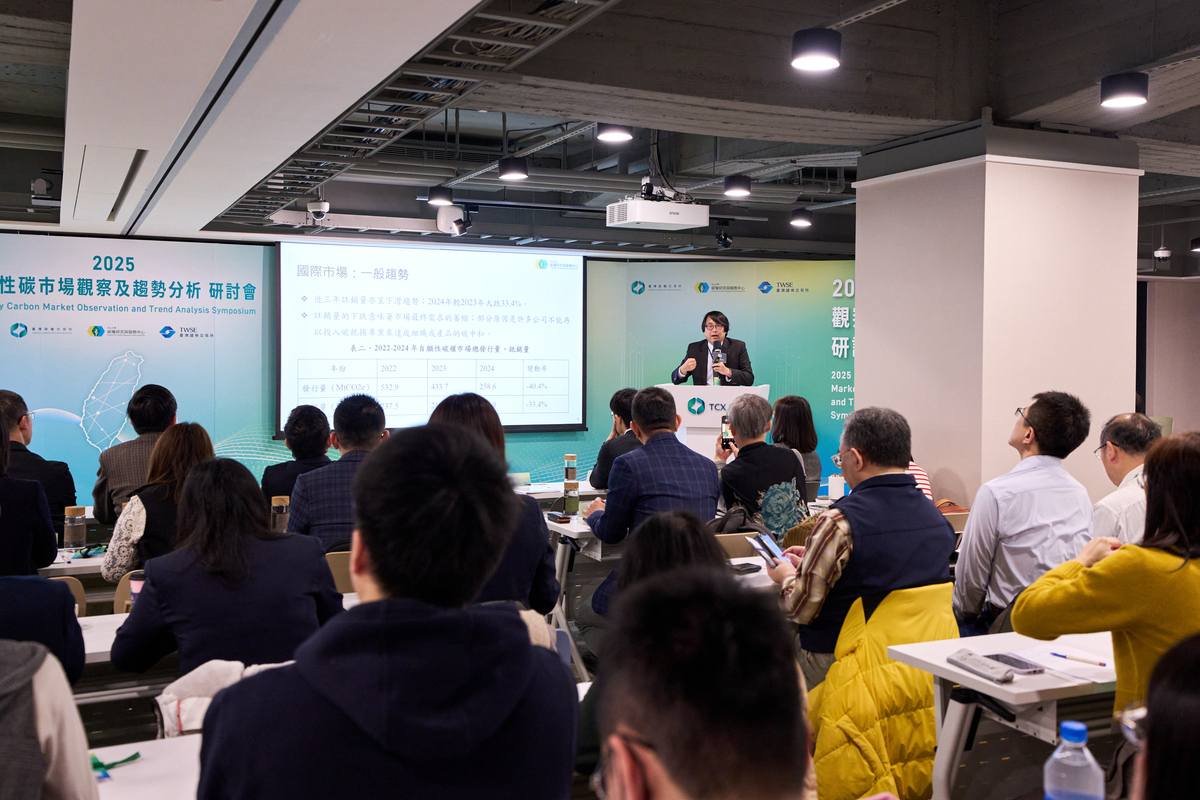
Development Potential of Taiwan's Biogas Collection Projects
In October 2024, the Taiwan Carbon Trading Exchange officially listed six domestic voluntary carbon credit projects, including energy-efficient lighting replacement, electric vehicle replacement, energy-saving and fuel replacement in manufacturing processes, and biogas reuse in the livestock industry. This report analyzes the development potential and market size of biogas collection projects in pig farms, which have the most accessible public statistical data in Taiwan.
According to Taiwanese law, pig farms with more than 20 heads of pigs must implement wastewater treatment, which consists of three stages: solid-liquid separation, anaerobic treatment, and aerobic treatment. The anaerobic treatment process produces a large amount of methane, and biogas collection is the process of collecting this methane, falling under the category of waste management. After collecting methane, it is burned and converted into carbon dioxide, reducing its greenhouse effect, and the heat energy generated from burning methane can be used for power generation, becoming a renewable energy source that can be connected to the grid.
The scale of pig farms in Taiwan is largest in Changhua, Yunlin, and Pingtung, followed by Chiayi, Tainan, and Kaohsiung, with a considerable size. If calculated based on 20 liters of wastewater consumed per pig per day, the annual amount generated in Taiwan is approximately 340,000 to 520,000 tons.
However, currently in Taiwan, except for Changhua and Pingtung, there are no regulations requiring the mandatory installation of biogas recovery facilities. Therefore, if the goal is to encourage pig farms to install biogas recovery facilities, there must be economic incentives or subsidies. She Jianyuan added: "The scale of pig farms needs to be large enough for power generation to be economically beneficial. If the utilization of thermal energy can apply for carbon credits, it may increase the willingness of small-scale pig farms to collect biogas."
The biogas collection project faces many challenges if it is to be implemented. Shek Kin-yuen said: "You need knowledge and capital, you need to propose a plan, and it must go through verification and audit, this process is very complicated, the administrative cost is high, so individual small-scale pig farms will not do this."
So how can this bottleneck be resolved? She Jianyuan suggests:
-
If someone can integrate small-scale pig farms in different areas and submit a unified application, it may be possible to distribute the costs evenly
-
Sharing Application and Review Knowledge
-
Optimize the application process and simplify the review procedure
When sufficient incentives are provided and the processes and obstacles are overcome, this may be a feasible direction. She Jianyuan collected the opinions and views of the participants through this seminar, integrated and adjusted the information, and officially released this report in March 2025.
>>> Fill out the online form to request this report <<<
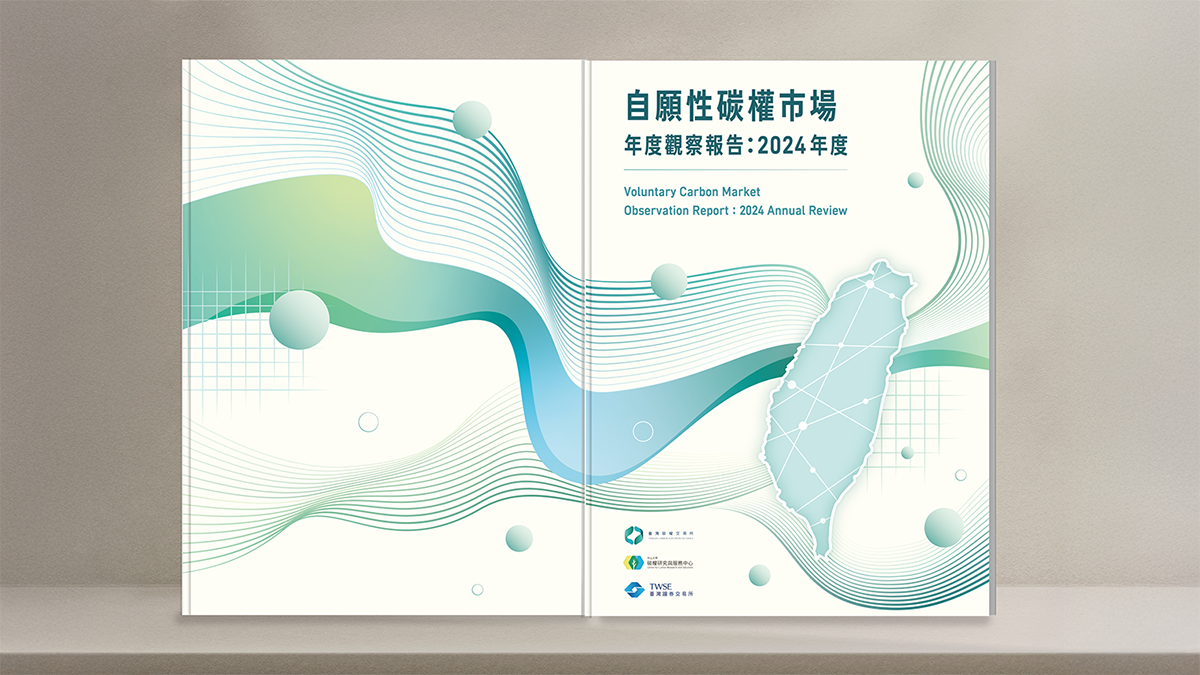
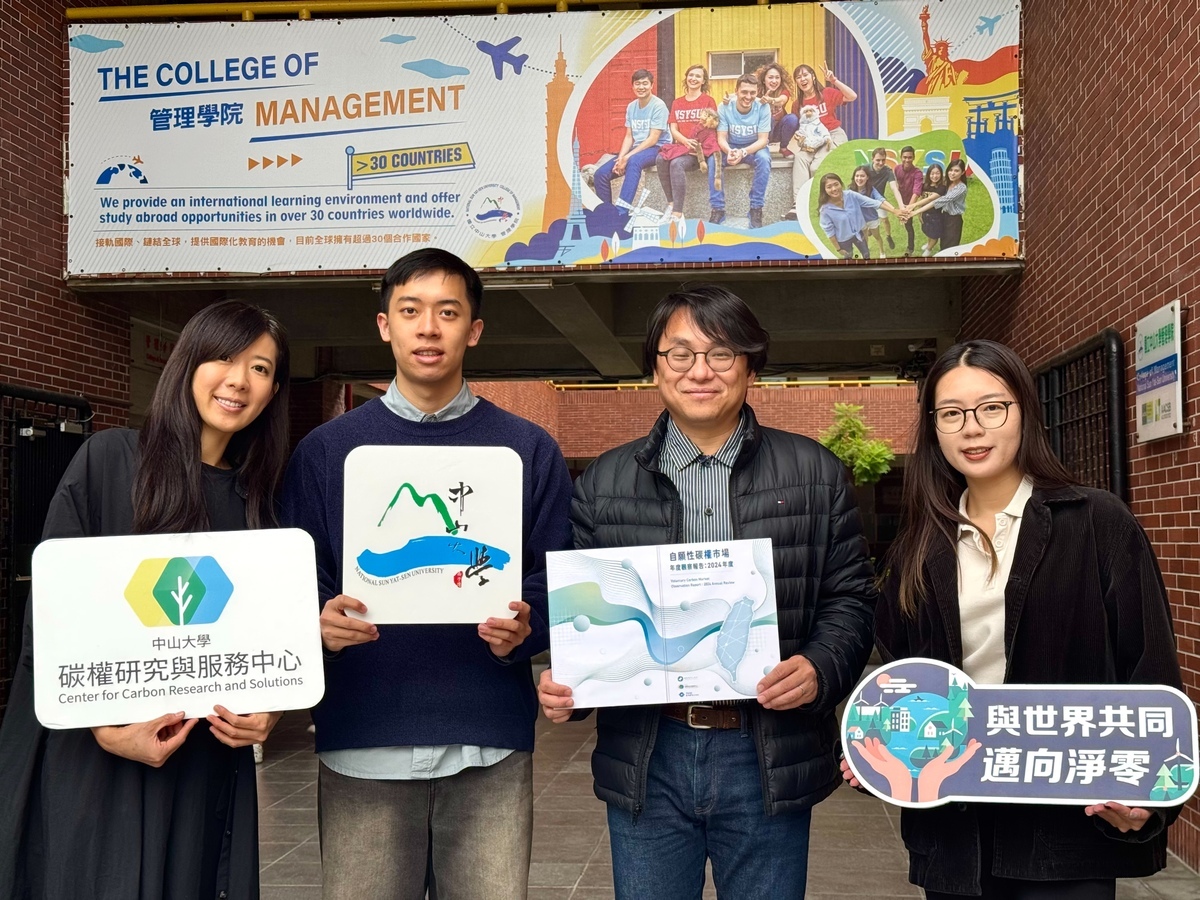
Professor She Jianyuan leads the research team in writing the "Voluntary Carbon Market Annual Observation Report: 2024", from left to right: graduate students Yu Peiyun, Zhu Rui, Professor She Jianyuan, and Chen Chuying.